Best AI Writing Tools for Small Businesses 2026 – My Honest Picks After Years of Testing

Hey, I’m the guy who’s been running a small e-commerce shop out of my home office for the last six years. If you’re anything like me, you’re probably juggling a dozen things at once—inventory, customer messages, ads, and oh yeah, trying to write all the content that keeps your business visible online.
A few years back, I was burning out hard on writing. Blog posts took forever, product descriptions sounded boring, and social media felt like a chore. Then I started playing around with AI writing tools, and honestly? It changed everything for me. Suddenly I had time to actually grow the business instead of staring at a blank screen.
Fast forward to 2026, and these tools are better than ever. I’ve tried pretty much every major one out there—some great, some meh—and I’m sharing my real experiences here. No fluff, just what actually works for small business owners like us who need affordable, reliable help with emails, blogs, ads, product copy, and more.
I’ll walk you through my top choices, share what I love (and what bugs me) about each, throw in some personal stories, and give you the tips I wish someone had told me when I started. If you run a small shop, consulting gig, or local service, one of these is probably perfect for you.
⚡ In a Rush? Here Are My Top Recommendations
Best overall for most people: Rytr – Starts cheap, super easy, handles daily tasks like a champ
Best for marketing & longer stuff: Writesonic – Killer for ads and full blog posts
Best premium feel: Jasper – Feels the most natural, great if you’re scaling
Best for quick sales copy: Copy.ai – Free plan rocks, perfect for social and ads
Best for ranking on Google: Frase – Does the SEO research for you
Best everyday editor: Grammarly Business – Catches mistakes everywhere you write
Why I Think Every Small Business Owner Needs an AI Writing Tool Right Now
✍️ The Reality of Content in 2026
Look, if you want customers finding you online, you need content. Fresh blog posts for SEO, regular social updates, email newsletters that people actually open, product pages that sell—it all adds up. But as a small business owner, your time is worth way more than sitting there typing for hours.
I remember spending entire weekends trying to write ten product descriptions. They came out okay, but I was exhausted and the sales didn’t really move. Once I started using AI tools, that same task took an afternoon, the copy was punchier, and conversions actually went up.
Here’s what makes these tools so valuable today:
- They’re fast—drafts in minutes instead of hours.
- The writing actually sounds like a real person now, not robotic.
- Prices are reasonable; you can get started for less than a coffee habit.
- Tons of templates built specifically for business needs.
- Many let you train them on your brand voice so everything stays consistent.
For me, the biggest win has been consistency. I post more often, reply to customers faster, and my site ranks better—all because I’m not stuck writing everything from scratch.
My Hands-On Reviews of the Best AI Writing Tools for Small Businesses
1. Rytr – My Everyday Go-To for Budget-Friendly Writing
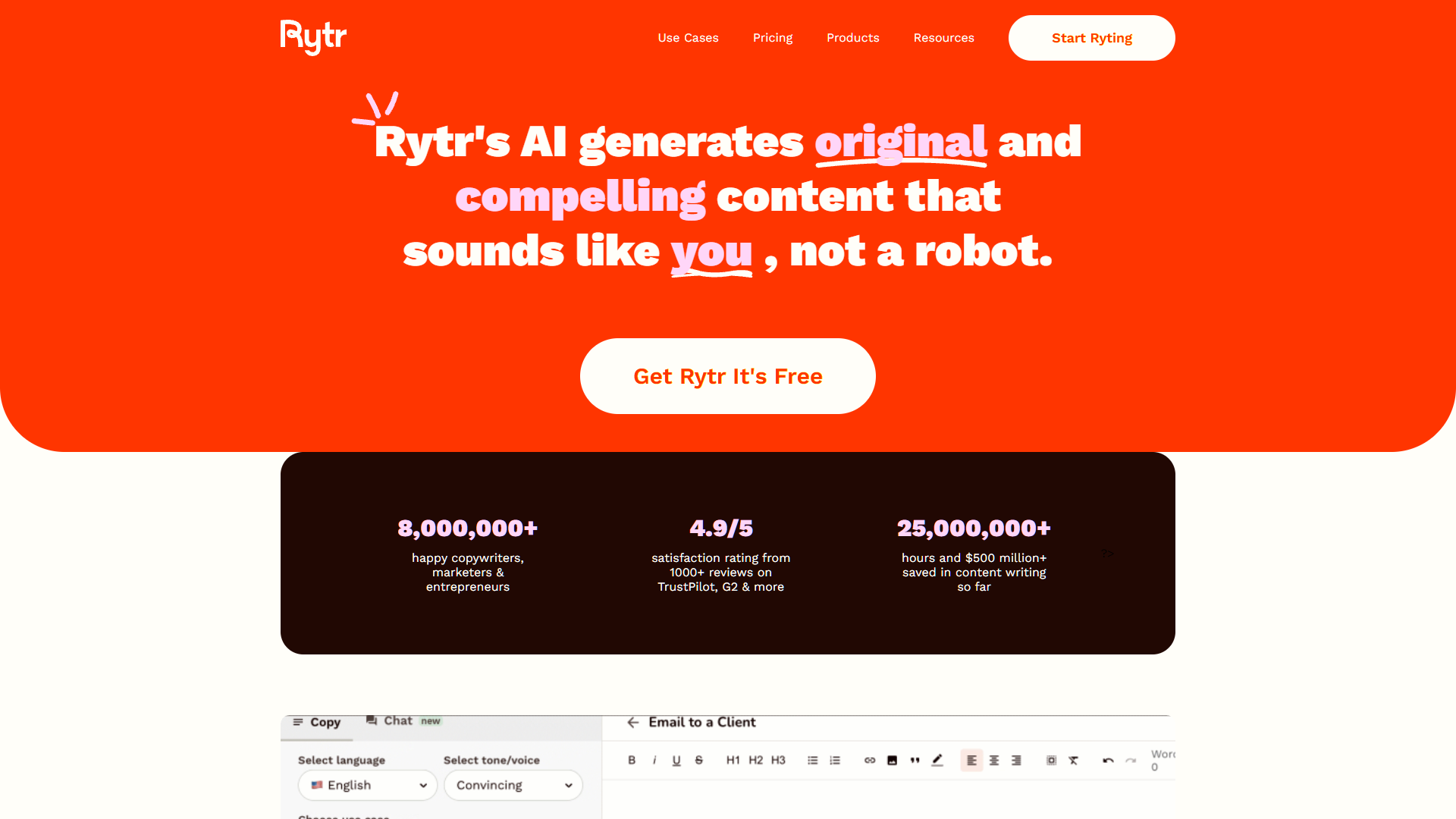
Rytr keeps things simple and gets the job done fast
I still use Rytr almost daily, even after trying fancier tools. There’s something about its no-nonsense interface that just works when I need to knock out quick copy.
Last month, I had to rewrite descriptions for about 40 products after a supplier change. With Rytr, I fed in some bullet points about each item, picked a friendly tone, and had solid drafts in minutes. A little tweaking and they were live—sales on those items picked up noticeably because the copy felt more engaging.
It’s got templates for pretty much everything I need: social posts, emails, ad copy, even blog outlines. The tone matcher is surprisingly good once you give it a few examples of your style.
One thing I really appreciate is how it handles multiple languages decently—I sell to a few international customers and it saves me from bad Google Translate moments.
If you’re just dipping your toes into AI writing or watching every dollar, Rytr is hard to beat. The unlimited plan feels almost too good for the price.
🏆 My top pick for most small business owners starting out
Give Rytr a Try →✅ What I Love:
- Really affordable with no word limits on paid plans
- Super quick—no waiting around
- Templates cover everyday business needs
- Plagiarism checker built right in
- Keeps improving with updates
❌ What Could Be Better:
- Longer articles sometimes need heavier editing
- SEO features are pretty basic
2. Writesonic – Perfect When I Need Marketing Punch

Writesonic feels built for people who sell things
Writesonic is the one I turn to when I’m working on campaigns or longer content. It just gets marketing language in a way that feels natural.
A while back, I used it to launch a new product bundle. Needed a landing page, email sequence, and some Facebook ads. Writesonic spit out full drafts that were already pretty persuasive—I mostly just added my personal touch and specific details.
The long-form writer is legitimately useful; it can handle full blog posts without falling apart halfway through. Chatsonic is handy too when I need up-to-date info pulled from the web.
For anyone running ads or building an email list, the conversion-focused templates are gold. And the built-in image generator saves me from stock photo hunting.
It’s not the cheapest, but when I’m in growth mode, it pays for itself quickly.
🎯 Great choice if marketing is your main focus → Check out Writesonic
✅ What I Love:
- Handles full-length blog posts really well
- Solid SEO suggestions built in
- Comes with an image generator
- Chatsonic pulls current info when needed
- Templates feel sales-oriented
❌ What Could Be Better:
- Can get pricey on higher tiers
- Very long pieces sometimes repeat ideas
3. Jasper – The One That Feels Most Like a Real Writer

Jasper delivers that polished, human touch
Jasper is the tool I recommend when someone wants content that barely needs editing. It’s pricier, but the quality is noticeably higher.
When I brought on a part-time helper last year, Jasper made collaboration smooth. We could keep the same voice across everything—blog posts, newsletters, social threads.
The brand voice training is the best I’ve used. Feed it some of your past writing and it actually sticks to your style. Templates go way beyond basics; there’s stuff for video scripts, full campaigns, you name it.
It’s overkill for super simple tasks, but if you’re putting out a lot of content or have a small team, it’s worth the investment.
⭐ Premium choice for serious content creators
See Jasper in Action →✅ What I Love:
- Output feels the most natural
- Excellent brand voice features
- Team collaboration built in
- Analytics to track what performs
❌ What Could Be Better:
- Definitely the most expensive
- Takes time to learn all the features
4. Copy.ai – Great for Fast, Punchy Sales Copy
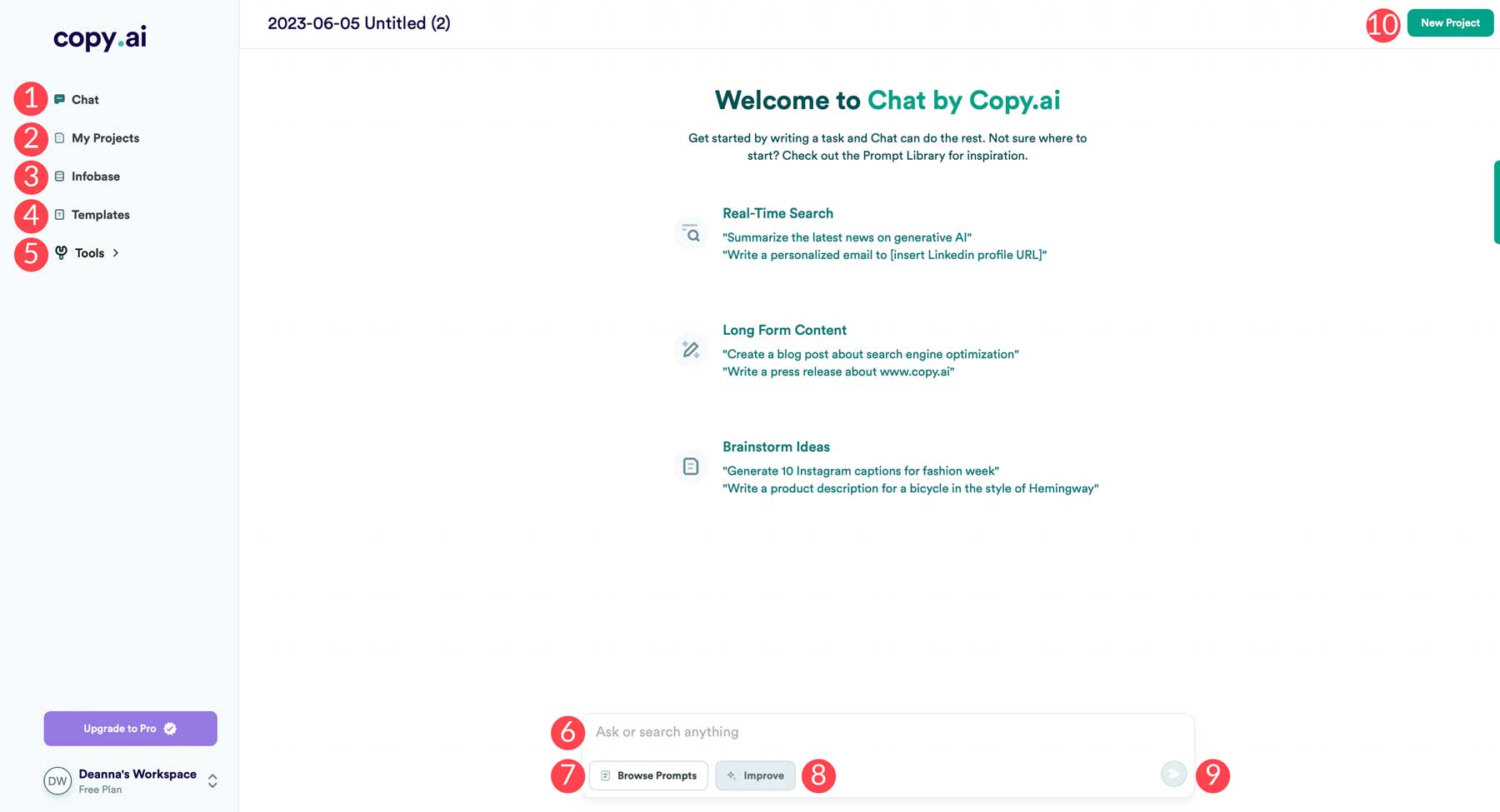
Copy.ai excels at short, persuasive writing
When I just need headlines, social captions, or ad copy that grabs attention, Copy.ai is my quick fix.
I’ve run A/B tests on ad headlines generated here and seen real click improvements. The free plan is actually useful—not just a teaser.
The tone slider is fun; flip between casual and professional in seconds. Workflows help automate repetitive stuff like weekly social posts.
It’s not my first choice for full articles, but for anything short and salesy, it’s fantastic.
💬 Ideal for social media and ad copy → Start Free with Copy.ai
✅ What I Love:
- Generates ideas crazy fast
- Really strong at persuasive language
- Free plan is genuinely helpful
- Easy workflow automation
❌ What Could Be Better:
- Longer content can feel repetitive
- Light on SEO tools
5. Frase – My Secret Weapon for SEO Content

Frase makes ranking on Google way easier
If getting organic traffic matters to you (and it should), Frase is different from the others. It’s less about pure writing and more about writing the right things.
I’ve used it to target competitive keywords and actually rank on page one. It studies what’s already ranking and tells you exactly what to cover.
The outlines it builds are gold—I follow them and know my post will be comprehensive. Content scoring shows where you’re missing the mark.
It’s not as creative as some others, but for blog content that brings in steady visitors, nothing beats it.
🔍 Best for growing through search traffic
Try Frase →✅ What I Love:
- Amazing research and outline tools
- Helps you beat bigger sites
- Clear scoring for optimization
❌ What Could Be Better:
- Focused mainly on blogs, less versatile
- Writing style is solid but not super creative
6. Grammarly Business – The One I Use Alongside Everything Else
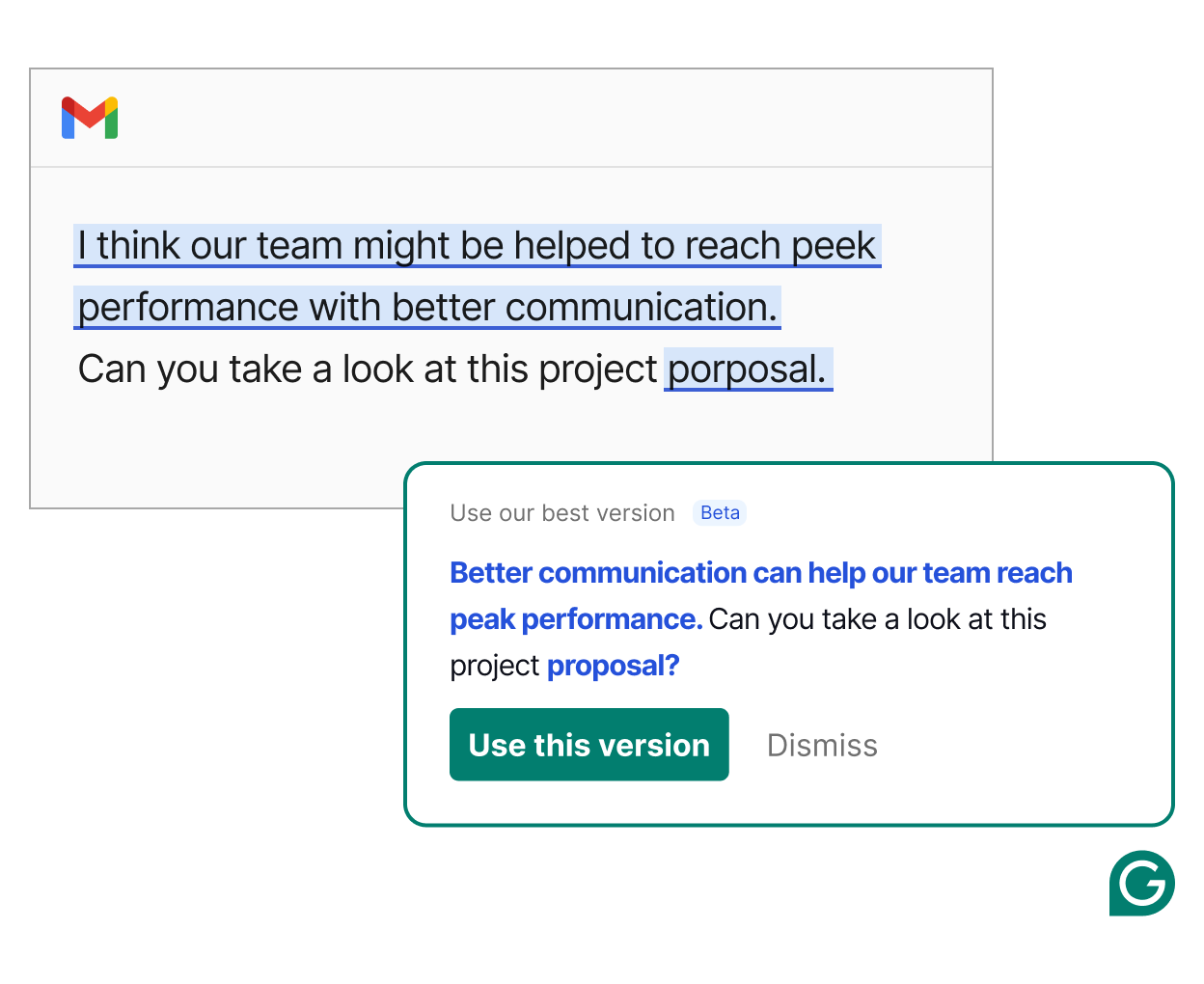
Grammarly catches the little things that make you look pro
Grammarly isn’t a full content generator, but I can’t imagine writing without it now. It’s running in the background everywhere—emails, docs, social, my website.
Beyond grammar, it suggests better phrasing, adjusts tone, and even helps rewrite sentences. For client communication especially, it makes me sound sharper.
The team features let me set style guidelines so everything stays consistent. Plagiarism checker gives peace of mind too.
I pair it with any of the other tools—generate a draft elsewhere, then let Grammarly polish it.
✨ Essential for professional polish → Upgrade to Grammarly Business
✅ What I Love:
- Works everywhere you type
- Actually improves your own writing over time
- Team style guides keep branding tight
- Solid plagiarism detection
❌ What Could Be Better:
- Not meant for creating large amounts from scratch
💡 Tips I Wish I Knew When Starting With AI Writing Tools
Don’t just pick the shiniest one—match it to what you write most. Social and ads? Copy.ai. Blog growth? Frase.
Always test the brand voice feature with your own samples. Some tools learn your style better than others.
Be realistic about how many words you’ll actually use each month to avoid overpaying.
Check which tools connect directly to your website platform or email software—that saves tons of copying and pasting.
Read the privacy policy if you write about sensitive stuff. Most good ones are safe, but it’s worth checking.
Many of us mix tools: quick drafts in Rytr, polish in Grammarly, SEO in Frase.
Look for annual billing discounts—they’re usually pretty generous.
📊 Side-by-Side Comparison
| Tool | Starting Price | Best For | Free Option | SEO Strength | Long-Form | My Rating |
|---|---|---|---|---|---|---|
| Rytr | $9/mo | Daily tasks on a budget | Yes | Basic | Good | 4.8/5 |
| Writesonic | $16/mo | Marketing & blogs | Yes | Strong | Excellent | 4.7/5 |
| Jasper | $39/mo | Premium quality | Trial | Good | Excellent | 4.6/5 |
| Copy.ai | Free + $36/mo | Sales & social | Yes | Basic | Average | 4.5/5 |
| Frase | $45/mo | SEO growth | Trial | Best | Good | 4.6/5 |
| Grammarly | $15/user/mo | Polishing everything | Free version | Basic | Limited | 4.7/5 |
Wrapping Up: Which One Should You Try First?
After years of using these tools in my own business, I’m convinced they’re one of the smartest investments a small business owner can make in 2026.
If I had to recommend just one to most people reading this: start with Rytr. It’s affordable, easy, and will immediately save you time → Try Rytr here.
Need more marketing muscle? Go Writesonic → Check it out.
Want the most polished output? Jasper’s your pick → See plans.
Focused on search traffic? Frase all the way → Start a trial.
Whatever you choose, just start. The difference in your productivity (and stress levels) will surprise you.
Got a specific type of business or writing need? Drop a comment—I’m always happy to share more of what’s worked for me.
Here’s to spending less time writing and more time building the business you love.
Disclosure: This post contains affiliate links, which means I may earn a small commission at no extra cost to you.


No comments:
Post a Comment