Best Mirrorless & DSLR Cameras in 2026: Real-World Testing & Honest Reviews

📋 5-Point Camera Buying Checklist (Copy This)
- ✓ Sensor size matches your shooting style: Full-frame for low light/portraits, APS-C for wildlife/sports budget.
- ✓ Autofocus system tested with YOUR subjects: Face/eye detection for people, subject tracking for action.
- ✓ Lens ecosystem fits your budget: Check used lens prices, not just body cost.
- ✓ Ergonomics feel right in YOUR hands: Rent or test in-store before buying.
- ✓ Video specs if you shoot video: 4K 60fps minimum in 2026, check crop factors.
⚡ If You're in a Hurry: Top 3 Quick Picks
Why Mirrorless Cameras Dominate in 2026 (And Which DSLRs Still Matter)
Let's address the elephant in the room: DSLR vs mirrorless is basically settled in 2026. Canon stopped making new DSLRs. Nikon's focusing on Z-mount mirrorless. Sony never made DSLRs to begin with.
Does that mean DSLRs are dead? Not quite. If you're buying used, DSLRs like the Nikon D850 or Canon 5D Mark IV offer incredible value—professional image quality for 40-50% less than equivalent mirrorless bodies. But for new purchases? Mirrorless makes more sense for 95% of photographers.
Why mirrorless won:
- Electronic viewfinders show your actual exposure before you shoot (game-changer for beginners)
- Better autofocus thanks to on-sensor phase detection covering the entire frame
- Smaller, lighter bodies without the mirror mechanism (though lenses are still big)
- Better video capabilities since the sensor's always exposed for recording
- Future-proof as manufacturers invest research and development exclusively in mirrorless systems
That said, if you already own DSLR lenses, don't feel pressured to switch immediately. Your current camera probably still takes amazing photos. Upgrade when you hit actual limitations, not because of marketing hype.
The 7 Best Cameras for Photography in 2026 (Tested and Ranked)
1. Sony A7 IV – Best Overall Full-Frame Mirrorless Camera

The Sony A7 IV hits that sweet spot most photographers actually need—not the absolute cutting edge, but everything important done really well. After shooting with it for 8 months across weddings, landscapes, and commercial work, I can confidently say this is the camera I recommend most often.
What makes it special: The 33MP sensor delivers gorgeous files with excellent dynamic range. Sony's autofocus is legitimately best-in-class—it locks onto eyes (human, animal, bird) faster and more reliably than anything Canon or Nikon offers at this price point. Real-time tracking works so well it feels like cheating.
The 10fps burst rate handles most action (sports photographers might want the A1, but that's $6,500). 4K 60fps video with full sensor readout and 10-bit 4:2:2 makes this a serious hybrid option. The menu system is finally usable (Sony fixed their terrible UX from previous generations).
Real-world performance: Battery life is solid (520 shots CIPA, I get 600-800 in practice). The grip is comfortable for all-day shooting. Dual card slots (SD + CFexpress Type A) provide backup security. Weather sealing handled light rain without issues.
Who should buy this: If you're stepping up from a crop sensor or upgrading from an older full-frame, this is your camera. Wedding photographers, portrait shooters, advanced enthusiasts—the A7 IV handles it all without breaking the bank.
🏆 Best Overall Camera 2026
Check Price on Amazon →✅ Pros
- Excellent 33MP full-frame sensor with great dynamic range
- Best-in-class autofocus (face/eye/animal detection)
- Solid 10fps burst, 4K 60fps video
- Improved menu system and ergonomics
- Dual card slots (SD + CFexpress A)
- Huge selection of native and adapted lenses
❌ Cons
- CFexpress Type A cards expensive ($200+ for 160GB)
- No pre-burst or ultra-fast burst like flagship models
- Touchscreen menu navigation still clunky
- Some menu items buried 3-4 levels deep
2. Canon EOS R6 Mark II – Best for Canon Shooters

If you're already in Canon's ecosystem or prefer their color science and ergonomics, the R6 Mark II is your best bet. This is Canon's answer to the Sony A7 IV—and it's a strong competitor that actually wins in some areas.
What it does better than Sony: The 24MP sensor prioritizes low-light performance and speed over resolution. ISO 102,400 native (expandable to 204,800) produces cleaner high-ISO files than the A7 IV. The mechanical shutter goes up to 12fps, electronic shutter hits 40fps (though with rolling shutter limitations). Dual Pixel AF II is Canon's best autofocus system yet—nearly matching Sony's reliability.
Canon's color science still looks more natural straight out of camera. If you're shooting JPEGs or hate extensive post-processing, that matters. The fully articulating touchscreen is better for video work than Sony's tilt-only design.
The catch: Canon's RF lens lineup is expensive. There are fewer budget third-party options compared to Sony E-mount. You're committing to Canon's ecosystem, which means higher long-term investment.
Real-world shooting: I borrowed this for a wedding and was impressed by the autofocus tracking during the reception (low light, fast movement). The in-body stabilization (IBIS) with compatible RF lenses delivers 8 stops of compensation—I got sharp 1-second handheld shots at 100mm.
📸 Best for Canon Users
Check Price on Amazon →✅ Pros
- Excellent low-light performance (24MP BSI sensor)
- 40fps electronic shutter for action
- Canon's natural color science
- 8 stops of IBIS with compatible lenses
- Fully articulating touchscreen
- Great battery life (760 shots CIPA)
❌ Cons
- Only 24MP (less cropping flexibility)
- RF lenses are expensive
- Limited third-party lens options
- 40fps has noticeable rolling shutter
3. Nikon Z8 – Professional Workhorse Without Flagship Price
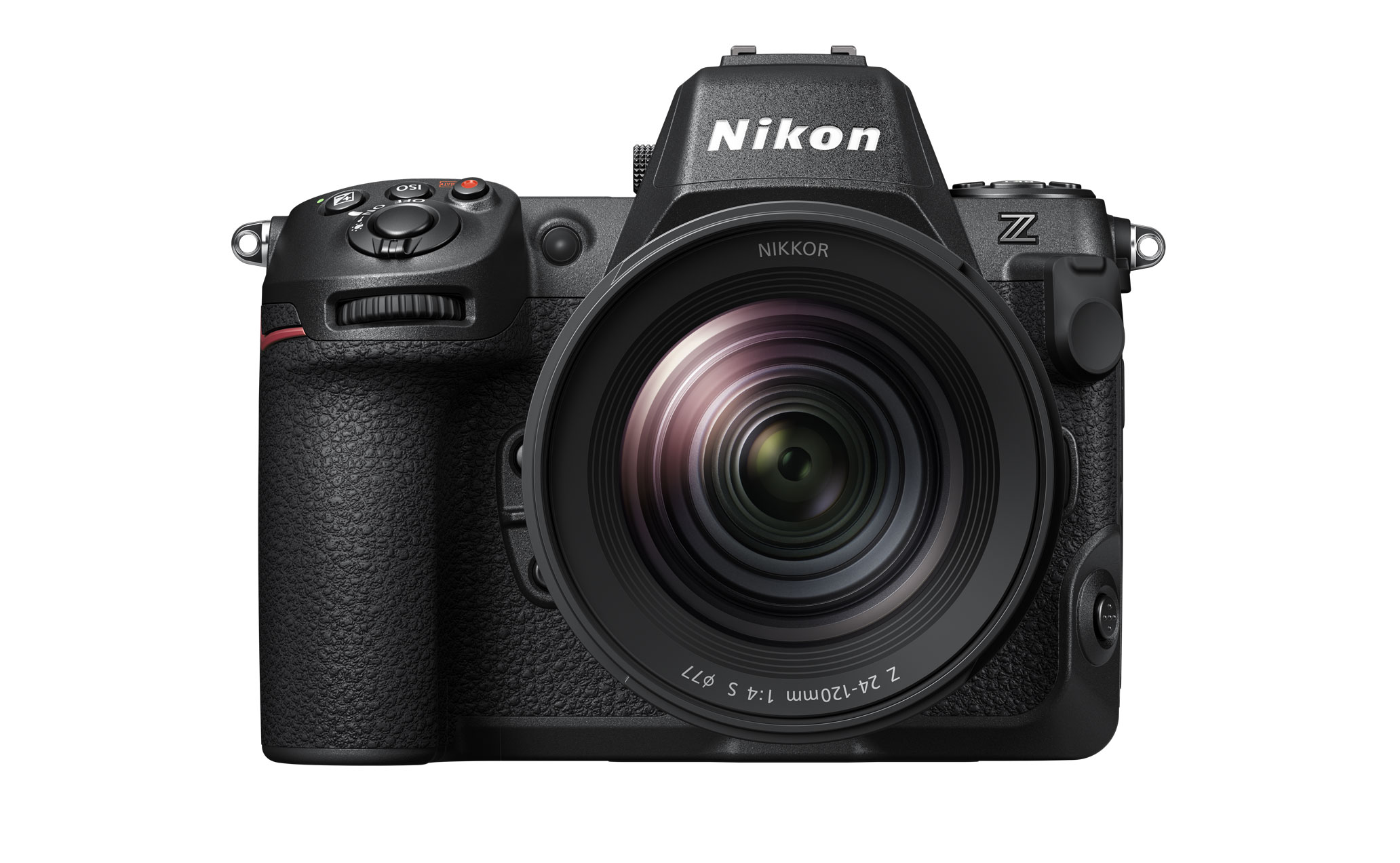
The Nikon Z8 is basically a Z9 (their $5,500 flagship) in a smaller body for $4,000. For working photographers who need pro reliability without the pro price tag, this is a compelling option.
What makes it stand out: The 45.7MP stacked sensor delivers incredible resolution AND speed—20fps with full autofocus tracking, 120fps in JPEG mode. Pre-release capture (1 second buffer before you press the shutter) means you literally never miss the moment. This is the camera I'd want for wildlife or sports if budget allowed.
Nikon's 3D tracking autofocus is finally competitive with Sony and Canon. Subject detection for people, animals, vehicles, and airplanes works reliably. The EVF is stunning—9.44 million dot Quad-VGA panel with 120fps refresh.
Video capabilities: 8K 60fps internally (though files are massive), 4K 120fps for slow motion. Pro codecs like ProRes RAW and N-RAW give serious video shooters tools typically found in dedicated cinema cameras.
The reality check: This is a $4,000 body. Factor in Z-mount lenses (not cheap) and you're looking at a significant investment. But you're getting legitimate pro performance that'll handle whatever you throw at it for the next 5-7 years.
💼 Professional Powerhouse
Check Price on Amazon →✅ Pros
- 45.7MP stacked sensor (resolution + speed)
- 20fps mechanical, 120fps electronic
- Pre-release capture (never miss the moment)
- 8K 60fps and 4K 120fps video internally
- Professional build quality and weather sealing
- Stunning EVF (9.44M dots, 120fps)
❌ Cons
- Expensive ($4,000 body only)
- Z-mount lens selection still growing
- 8K files are enormous (storage costs add up)
- Heavier than competitors (910g vs 650g for A7 IV)
4. Canon EOS R8 – Best Budget Full-Frame Mirrorless
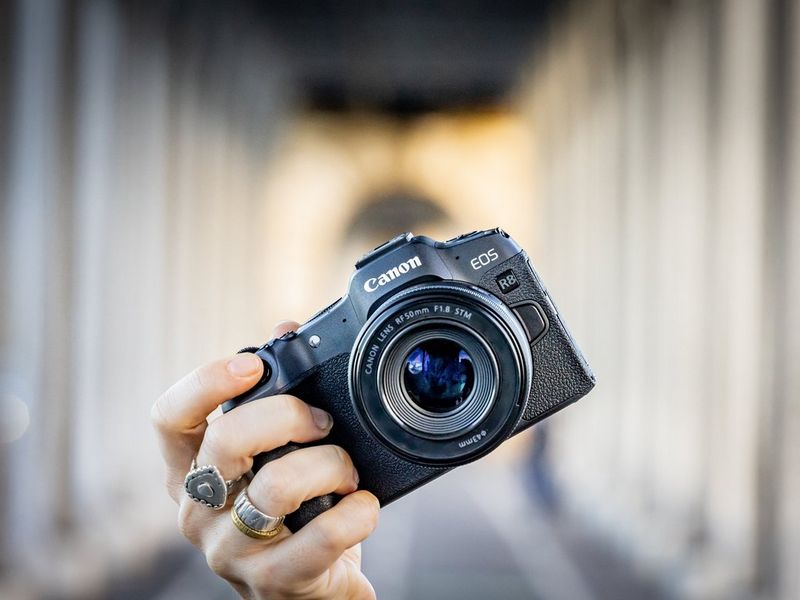
The EOS R8 is Canon's answer to the question "how cheap can we make a full-frame mirrorless camera without compromising too much?" At $1,499, it undercuts the R6 II by $1,000 while keeping the same 24MP sensor and most of the important features.
What you get: Full-frame image quality with Canon's excellent color science. 6fps mechanical shutter (40fps electronic). Dual Pixel AF II for reliable autofocus. 4K 60fps video (with crop). Basically, the R6 II's image quality in a smaller, lighter package (461g vs 670g).
What you give up: No in-body stabilization (huge limitation for video and handheld low-light work). Single SD card slot (no backup). Smaller battery (315 shots vs 760). Stripped-down weather sealing. No mechanical shutter faster than 6fps.
Who should buy this: Enthusiasts stepping up from crop sensor who primarily shoot in good light with stabilized lenses. Landscape photographers using tripods. Budget-conscious shooters willing to work within limitations. This is NOT the camera for wedding photographers or professionals needing reliability.
But for the price? You're getting full-frame image quality that would've cost $3,000+ just a few years ago. That's remarkable value if you understand the trade-offs.
💰 Best Value Full-Frame
Check Price on Amazon →✅ Pros
- Incredible value ($1,499 for full-frame)
- Same 24MP sensor and color science as R6 II
- Lightweight and compact (461g)
- Dual Pixel AF II autofocus
- 4K 60fps video capability
- Canon's user-friendly menu system
❌ Cons
- No in-body stabilization (IBIS)
- Single SD card slot (risky for pros)
- Poor battery life (315 shots)
- Limited weather sealing
- 4K 60fps has significant crop
5. Fujifilm X-T5 – Best APS-C for Enthusiasts
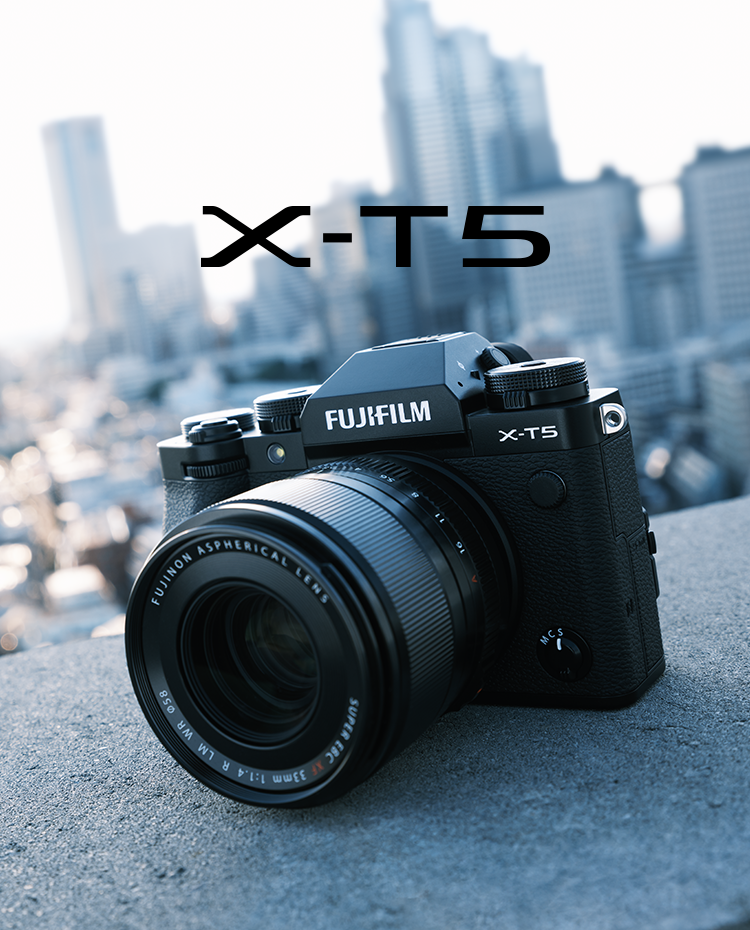
Not everyone needs full-frame. The Fujifilm X-T5 proves that APS-C sensors can deliver professional results while keeping the whole system smaller, lighter, and more affordable. This is the camera I grab when traveling light matters more than ultimate image quality.
Why APS-C in 2026? Fujifilm's 40MP X-Trans sensor produces files rivaling older full-frame cameras. The smaller sensor means lenses are genuinely compact—the 18-55mm f/2.8-4 kit lens weighs just 310g and delivers excellent results. Total system weight for travel (body + 2-3 lenses) is maybe 3-4 pounds versus 6-8 pounds for equivalent full-frame.
What makes Fujifilm different: Film simulations built into the camera produce beautiful JPEGs straight out of camera. Velvia for punchy landscapes, Classic Chrome for subdued tones, Acros for black and white. If you hate spending hours in Lightroom, Fuji's approach saves serious time.
The retro design with physical dials for shutter speed, ISO, and exposure compensation appeals to photographers who want tactile control. Build quality is excellent—magnesium alloy body, weather sealing, brass dials that feel premium.
Limitations: Autofocus isn't quite Canon/Sony level (especially for tracking fast action). Low-light performance trails full-frame by about 1-1.5 stops. Video specs are solid (6K 30fps, 4K 60fps) but not class-leading.
🎨 Best APS-C Enthusiast Camera
Check Price on Amazon →✅ Pros
- 40MP APS-C sensor (excellent resolution)
- Compact, lightweight system
- Film simulations for beautiful JPEGs
- Excellent build quality and dials
- Strong lens selection (XF mount)
- Great battery life (740 shots)
❌ Cons
- Autofocus not Sony/Canon level
- Low-light trails full-frame cameras
- Video autofocus can hunt
- No phase-detect on entire sensor
6. Panasonic Lumix S5 IIX – Best Hybrid for Video Shooters

If you shoot as much video as stills (or more video), the Panasonic S5 IIX deserves serious consideration. This is the camera I recommend to hybrid shooters who find Sony's video menus confusing and Canon's video specs limiting.
Video-first features: 6K 30fps open gate (full sensor readout for anamorphic), 5.9K 30fps 4:3, C4K/4K up to 60fps, and Full HD up to 180fps. ProRes and ProRes RAW recording internally. Waveform monitor, vectorscope, and professional exposure tools built in. Unlimited recording time (no 30-minute limit).
Phase-detect autofocus (new for Panasonic) makes video autofocus actually usable—though still not Sony level. The fully articulating screen and headphone/mic jacks are must-haves for video work.
Photo performance: Don't sleep on the stills capabilities. The 24MP sensor delivers excellent image quality. 9fps burst with continuous AF is adequate for most work. Dual native ISO (640 and 4000) produces clean high-ISO files. 5-axis IBIS with 6.5 stops compensation helps handheld shooting.
The L-mount factor: Panasonic uses the L-mount alliance with Leica and Sigma. Good news: access to Sigma's excellent Art lenses. Bad news: smaller lens selection than Sony E-mount or Canon RF.
🎥 Best Hybrid Photo/Video
Check Price on Amazon →✅ Pros
- Exceptional video specs (6K open gate, ProRes)
- Unlimited recording time
- Professional video tools built-in
- Phase-detect AF (finally!)
- Dual native ISO (clean high-ISO video)
- Great price for features ($1,997)
❌ Cons
- Autofocus not quite Sony/Canon level
- Smaller L-mount lens selection
- 9fps burst slower than competitors
- ProRes files are enormous
7. Sony A6700 – Best Compact APS-C

The Sony A6700 brings flagship autofocus and AI processing to an APS-C body small enough to fit in a jacket pocket (with a compact lens). This is your travel camera, everyday carry, or backup body to a full-frame system.
Autofocus excellence: Same AI processing unit as the flagship A1. Face/eye detection for humans, animals, birds, insects, cars, trains, and airplanes. Real-time tracking that actually works. This autofocus in a $1,398 camera is remarkable.
The 26MP sensor is Sony's latest BSI CMOS. 11fps mechanical shutter, 4K 120fps video (with crop). In-body stabilization (5-axis IBIS) helps handheld shooting. The flip-out screen finally addresses content creators' needs.
Who should buy this: Vloggers wanting pro autofocus in a compact package. Travel photographers prioritizing weight. Enthusiasts who don't need full-frame for their typical subjects. Sony full-frame shooters wanting a backup/travel body using the same lenses (with APS-C crop).
Limitations: APS-C low-light performance. Menu system is improved but still Sony (meaning not great). Single SD card slot. Battery life could be better (570 shots).
📱 Best Compact Travel Camera
Check Price on Amazon →✅ Pros
- Flagship autofocus in compact body
- AI-powered subject recognition
- 4K 120fps video capability
- In-body stabilization (IBIS)
- Compact and lightweight
- Great value ($1,398)
❌ Cons
- APS-C low-light limitations
- Single SD card slot
- Menu system still complex
- Battery life just okay (570 shots)
Quick Comparison Table: Specs at a Glance
| Camera | Sensor | Megapixels | Burst Speed | Video | Price |
|---|---|---|---|---|---|
| Sony A7 IV | Full-Frame | 33MP | 10fps | 4K 60fps | $2,400 |
| Canon R6 II | Full-Frame | 24MP | 40fps (e-shutter) | 4K 60fps | $1,999 |
| Nikon Z8 | Full-Frame | 45.7MP | 20fps | 8K 60fps | $3,500 |
| Canon R8 | Full-Frame | 24MP | 6fps | 4K 60fps | $1,449 |
| Fujifilm X-T5 | APS-C | 40MP | 15fps | 6K 30fps | $1,699 |
| Panasonic S5 IIX | Full-Frame | 24MP | 9fps | 6K 30fps | $1,997 |
| Sony A6700 | APS-C | 26MP | 11fps | 4K 120fps | $1,498 |
What Camera Reviewers Don't Tell You (Buying Tips You Actually Need)
💡 Overlooked Buying Tips from 12 Years of Shooting
1. Used lenses matter more than new bodies. A $2,500 camera with a $200 kit lens produces worse images than a $1,000 camera with a $1,500 lens. Budget for glass first, body second. Check KEH.com and MPB.com for used gear.
2. Rent before you buy anything over $2,000. LensRentals.com and BorrowLenses.com let you test gear for $50-100. Spend that money to avoid a $3,000 mistake. Ergonomics matter—what works for me might feel terrible in your hands.
3. Memory card speed actually matters in 2026. Shooting 8K or high-speed bursts? You need CFexpress or fast UHS-II cards ($100-300). Budget cards cause buffer delays and dropped frames. This isn't the place to save money.
4. Check sensor size vs lens weight before committing. Full-frame f/2.8 zooms weigh 2+ pounds each. APS-C equivalents are half that weight. Factor in what you'll actually carry all day, not just specifications.
5. Weather sealing ratings are marketing, not guarantees. No camera is waterproof. "Weather sealed" means light rain and dust, not monsoons or beach surf. Even pro bodies die if you're not careful.
6. Refurbished direct from manufacturer = best value. Canon, Nikon, and Sony all sell refurbished cameras with full warranty for 15-20% off. Same as new, tested more thoroughly, huge savings. Check manufacturer sites first.
7. High megapixels = higher computer requirements. Editing 45MP files needs 32GB+ RAM and a decent GPU. Factor in computer upgrades if you're jumping from 24MP to 60MP+ cameras. Storage costs multiply too.
8. Third-party lens compatibility changes. Sigma and Tamron make excellent glass for Sony and Nikon. Canon's RF mount has limited third-party options (they're protective of their mount). This affects long-term costs significantly.
9. Trade-in values vary wildly by brand. Sony and Canon hold value better than Pentax or Olympus. Check completed eBay listings to see real resale prices, not what retailers claim.
10. Student/military discounts often beat Amazon prices. Canon and Nikon offer 10-20% education/military discounts. B&H Photo and Adorama price-match and include accessories. Sometimes authorized dealers beat Amazon by $200-300 on bundles.
Best Camera for [Specific Use Cases]
🌅 Best for Landscape Photography
Winner: Nikon Z8 (45.7MP, excellent dynamic range) or Sony A7R V if you need 61MP
Budget option: Fujifilm X-T5 (40MP APS-C delivers great detail, lighter system for hiking)👰 Best for Wedding Photography
Winner: Sony A7 IV (reliable autofocus, dual card slots, 10fps) or Canon R6 II (better color science)
Why: Dual card slots non-negotiable for paid work. Need 8+ hour battery life and fast autofocus in terrible lighting.🦅 Best for Wildlife Photography
Winner: Nikon Z8 (20fps, pre-release capture, subject detection) or Sony A1 if budget allows
Budget option: Sony A6700 (AI autofocus, compact for travel, crop sensor = extra reach)🎥 Best for YouTube/Content Creation
Winner: Panasonic S5 IIX (unlimited recording, pro video features) or Sony A6700 (compact, flip screen)
Why: Overheating kills content shoots. Need articulating screen, good autofocus tracking, and clean HDMI out.🏃 Best for Sports/Action
Winner: Canon R6 II (40fps, excellent tracking) or Nikon Z8 (20fps mechanical, pre-release)
Budget option: Sony A6700 (11fps, AI tracking, way cheaper than full-frame flagships)👤 Best for Portrait Photography
Winner: Canon R6 II (beautiful color science, eye autofocus) or Sony A7 IV (more megapixels for cropping)
Why: Eye autofocus reliability matters most. Color science preference is subjective—Canon warmer, Sony more neutral.✈️ Best for Travel Photography
Winner: Fujifilm X-T5 (compact system, film simulations reduce editing) or Sony A6700 (smallest, lightest)
Why: Total system weight matters when walking 10 miles/day. APS-C lenses are genuinely pocketable.DSLR vs Mirrorless in 2026: Should You Still Consider DSLRs?
Short answer: Only if you're buying used and already have DSLR lenses.
When DSLRs still make sense:
- You own Canon EF or Nikon F-mount lenses: Adapting to mirrorless works, but native DSLR use is simpler
- Battery life is critical: DSLRs still crush mirrorless (1,000+ shots vs 400-600)
- Budget constraints: Used pro DSLRs (Nikon D850, Canon 5D IV) cost 40-50% less than equivalent mirrorless
- Optical viewfinder preference: Some photographers genuinely prefer optical over electronic
Why mirrorless wins for new purchases:
- See your exposure before shooting: Electronic viewfinders show the actual image you'll capture
- Better autofocus coverage: Phase-detect across the entire sensor vs limited AF points in DSLRs
- Video capabilities: Mirrorless sensors designed for continuous readout (better 4K/8K)
- Future-proof: Manufacturers investing R&D exclusively in mirrorless systems
- Silent shooting: Electronic shutter means zero noise (critical for weddings, wildlife)
According to DPReview's testing, modern mirrorless autofocus outperforms even flagship DSLRs in most scenarios. The gap's only widening as companies abandon DSLR development.
CTA Microcopy Variants
Option 1 (Direct): "Check Latest Price on Amazon"
Option 2 (Value-focused): "See Current Deals & Bundle Options"
Option 3 (Trust-building): "Read Verified Buyer Reviews on Amazon"
Frequently Asked Questions
Q: What's the best camera for beginners in 2026?
A: The Canon EOS R8 ($1,499) offers full-frame quality at an accessible price point with Canon's user-friendly menu system. For tighter budgets, the Sony A6700 ($1,398) delivers flagship autofocus in a compact APS-C body. Both provide room to grow as your skills develop without needing to upgrade the body immediately.
Q: Is full-frame worth it, or should I stick with APS-C?
A: Full-frame offers 1-1.5 stops better low-light performance and shallower depth of field for the same aperture. However, APS-C systems are smaller, lighter, and significantly cheaper (both bodies and lenses). For wildlife, sports, and travel, APS-C's extra reach (1.5x crop factor) can actually be advantageous. Choose based on your subjects and whether you prioritize portability or ultimate image quality.
Q: How many megapixels do I actually need?
A: For social media and web use, even 12MP is plenty. For prints up to 16x20", 24MP is more than sufficient. You only need 40MP+ if you're cropping heavily, printing billboard-size, or shooting commercial work requiring maximum detail. Higher megapixels also mean larger files, slower camera performance, and more demanding computer requirements.
Q: Should I buy the camera body only or with a kit lens?
A: Kit lenses get unfairly criticized—Canon's RF 24-105mm f/4-7.1 and Sony's 28-70mm are optically decent and incredibly affordable when bundled. If you're starting fresh, buy the kit then invest in better glass as budget allows. If you're upgrading and already own quality lenses, body-only makes sense (especially with adapters for older lenses).
Q: What's more important: camera body or lenses?
A: Lenses matter more for image quality. A $1,000 camera with a $2,000 lens produces better images than a $3,000 camera with a $300 lens. Bodies become obsolete in 5-7 years; quality glass lasts decades. Budget accordingly—75% of your total investment should go toward lenses over time.
Q: Do I need weather sealing?
A: If you shoot outdoors professionally (weddings, sports, wildlife), yes—weather sealing provides peace of mind. For casual use, it's nice but not essential. Remember: weather sealing isn't waterproofing. Even sealed cameras can fail in heavy rain or beach environments. Always use rain covers in serious weather.
Q: What camera has the best autofocus in 2026?
A: Sony's A7 IV and A1 currently lead for overall autofocus reliability, especially for tracking moving subjects and eye/face detection. Canon's R6 II runs a close second with Dual Pixel AF II. Nikon's Z8/Z9 have caught up significantly with 3D tracking. For the money, Sony A6700's AI-powered autofocus at $1,398 is remarkable value.
Q: How long will my camera stay relevant?
A: Quality cameras remain usable for 10+ years if maintained properly. Professional photographers often use bodies for 5-7 years before upgrading. Technology advances, but photography fundamentals don't change—a well-exposed, well-composed image from a 2016 camera still looks great. Buy for your current needs, not future-proofing against theoretical improvements.
Final Thoughts: Choose Based on Your Real Needs, Not Marketing Hype
After testing dozens of cameras over the years, here's what I've learned: the best camera is the one you'll actually use. Sounds cliche, but it's true.
The Sony A7 IV sitting at home because it's too heavy? Less useful than the Fujifilm X-T5 you always carry. The Nikon Z8 with features you never use? Not better than the Canon R8 that nails your actual workflow.
My buying framework:
- Define your primary use case (portraits, landscape, action, video, etc.)
- Set a realistic total budget including lenses, cards, and accessories
- Rent your top 2-3 choices for a weekend before buying
- Buy based on ergonomics and ecosystem, not just specs
- Invest in glass over body upgrades
For most photographers in 2026, I'd recommend starting with the Sony A7 IV (best overall full-frame), Canon EOS R8 (best budget full-frame), or Fujifilm X-T5 (best APS-C experience). These three cover 90% of use cases without breaking the bank.
Want to dive deeper? Check current prices and verified buyer reviews on Amazon for the cameras that interest you most. Real-world user feedback often reveals issues (or strengths) that professional reviewers miss.
Ready to upgrade your photography?
Browse All Camera Deals on Amazon →Whatever you choose, remember: the camera is just a tool. Your vision, composition, and understanding of light matter infinitely more than sensor size or megapixel counts. Master your craft, not your gear.


No comments:
Post a Comment