The $99 Health Gadget That Saved My Dad’s Life (2026 Guide)

💚 Health Gadget Checklist (Screenshot This)
- ✓ Accuracy is literally everything — only buy FDA-cleared or clinically validated devices, cheap knockoffs give dangerous fake readings
- ✓ Good app or it's useless — tracking trends over time matters way more than individual readings, apps need to actually work well
- ✓ Battery life makes or breaks usage — devices needing daily charging usually get abandoned within weeks, look for week+ battery minimum
- ✓ Multiple metrics beat single-purpose — devices tracking heart rate + sleep + activity give way more complete health picture than one thing
- ✓ Doctor-shareable data is huge — many apps export reports physicians actually use, massive benefit during appointments instead of vague descriptions
⚡ Just Want the Answer? Here Are the Winners
Why Health Gadgets Actually Matter Now (Not Just Hype)
Look, I totally get the skepticism here. "Do I really need another device telling me I don't sleep enough?" Like, we all know we should sleep more and exercise more and eat better. Does buying a gadget actually change anything?
Here's what genuinely changed my perspective after my dad's blood pressure scare: health gadgets aren't about shaming you into behavior changes or making you feel bad about yourself. They're about catching things you literally cannot feel before they become serious problems that land you in the hospital.
According to the American Heart Association, nearly half of American adults have high blood pressure. But here's the scary part—a huge percentage don't even know it because they only get checked once a year at doctor visits. Atrial fibrillation (that's irregular heartbeat) affects millions of people and often goes completely undetected until it causes a stroke. Sleep apnea ruins people's health for literally years before anyone figures out what's wrong and gets diagnosed.
The right health monitoring devices catch these patterns happening in real-time when they're still totally manageable instead of waiting until there's a crisis. And honestly, the technology has gotten good enough in 2026 that the data you get is actually useful and actionable instead of just meaningless numbers that don't tell you anything.
Health Gadgets That Actually Work (Tested Personally)
1. Apple Watch Series 11 — The One That Does Everything
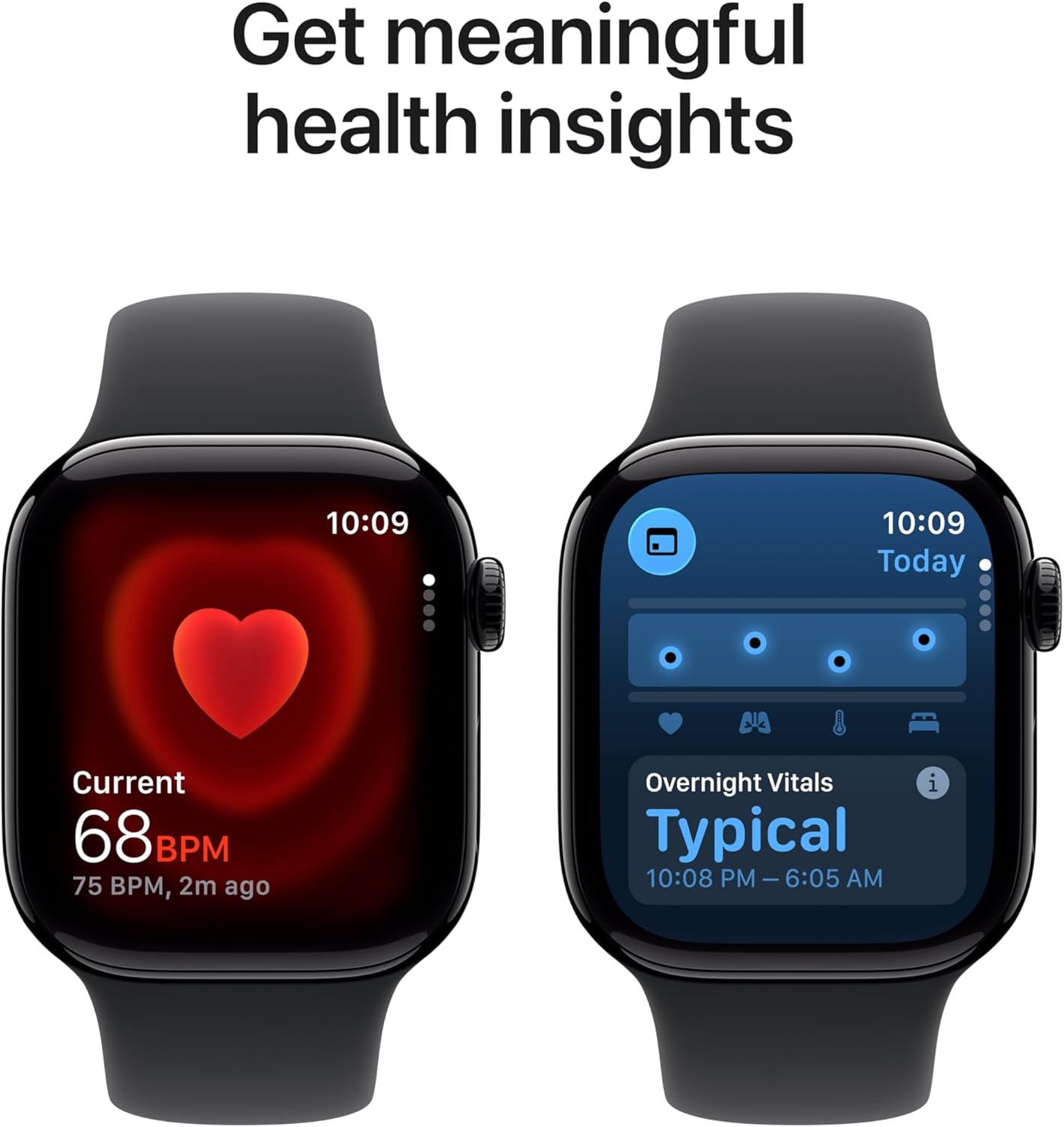
The Apple Watch Series 11 is basically like wearing a medical lab on your wrist at this point. It's got FDA-cleared ECG monitoring (this is the thing that detects atrial fibrillation which is super dangerous), blood oxygen tracking, wrist temperature sensing that works for cycle tracking and catching when you're getting sick, and genuinely accurate heart rate monitoring both during workouts and at rest.
What actually makes this watch special for health beyond just marketing: the ECG feature has literally saved people's lives by catching irregular heartbeats they had absolutely no idea they had. The fall detection automatically calls emergency services if you take a hard fall and don't respond within a minute. And the sleep tracking gives you actual actionable data about sleep stages and patterns instead of just telling you "you slept 7 hours" which you already knew.
Why this is worth the frankly expensive price if health monitoring matters to you: At $299 it's definitely not cheap for a smartwatch—like, that's real money. But you're getting multiple medical-grade sensors packed into one device that would cost way more if you bought them separately. The seamless integration with iPhone's Health app creates this comprehensive health dashboard that your doctor can actually review during appointments instead of you trying to remember vague symptoms. Crash Detection, Fall Detection, and Emergency SOS features provide genuine peace of mind especially for older people or anyone with health concerns. This is the health gadget that genuinely does everything well instead of specializing in just one narrow area.
💚 Most Complete Health Tracking
Check Apple Watch Series 11 →✅ What Actually Works Great
- FDA-cleared ECG (catches AFib reliably not just sometimes)
- Blood oxygen monitoring
- Wrist temperature sensing (catches illness early)
- Accurate heart rate both resting and active
- Detailed sleep stage tracking (actually useful)
- Fall detection calls emergency automatically
- Crash detection for car accidents
- Seamless Health app integration on iPhone
❌ Real Downsides
- $299 is genuinely expensive
- Requires iPhone (no Android support ever)
- 18-hour battery means daily charging
- No blood pressure monitoring yet
- Blood glucose still years away probably
2. Fitbit Charge 6 — Best Health Tracker If You're Not Spending $300

The Fitbit Charge 6 is honestly proof you don't need to drop four hundred bucks to get serious health monitoring. It's got surprisingly accurate heart rate tracking (uses the same optical sensor technology as those chest strap monitors serious athletes use), really detailed sleep analysis that breaks down REM and deep sleep stages, stress management scoring based on heart rate variability, and now it integrates with Google Maps and YouTube Music since Google bought Fitbit a while back.
What this tracker does way better than you'd expect for the price: the heart rate accuracy during actual workouts rivals devices that cost literally two or three times as much. The sleep tracking breaks down your sleep stages properly and gives you a Sleep Score that's actually useful for figuring out how to improve your rest quality. And the Stress Management Score helps you identify patterns in when you're most stressed (spoiler alert: it's probably those Tuesday afternoon meetings that could've been emails).
Why this is honestly the smart budget choice: At $159 you're getting like 80% of what those premium health watches offer but at less than half the price. The 7-day battery life means you're not constantly charging it every single night like smartwatches require. Works perfectly fine with both iPhone and Android. The Fitbit app is genuinely excellent for tracking health trends over weeks and months which matters way more than any single reading. This is the health gadget that makes total sense if you want solid reliable monitoring without the premium price tag that makes you feel guilty.
💪 Best Value Health Tracker
Get Fitbit Charge 6 →✅ What Works Really Well
- Accurate heart rate (tested against chest straps)
- Detailed sleep stage tracking
- Stress management scoring (actually helpful)
- 7-day battery (no daily charging needed)
- Works with iPhone and Android both
- Built-in GPS for outdoor workouts
- Google Maps and YouTube Music now
- $130 (affordable for most people)
❌ Trade-offs You're Making
- No ECG monitoring at all
- No blood oxygen tracking
- Smaller screen than smartwatches
- Premium features need Fitbit Premium ($10/mo)
- Less comprehensive than Apple Watch obviously
3. Withings BPM Connect — The Blood Pressure Monitor That Changed My Dad's Life

The Withings BPM Connect is what finally convinced my dad to actually monitor his blood pressure regularly instead of just hoping everything was fine between doctor visits. It's an FDA-approved blood pressure cuff that syncs readings automatically to your smartphone through either WiFi or Bluetooth. Takes accurate readings in like 60 seconds flat, color-codes the results so you know immediately if readings are concerning without having to interpret numbers, and stores unlimited history in the app.
What makes this genuinely different from those pharmacy blood pressure machines: you can take readings consistently at home when you're actually relaxed instead of stressed (clinic readings are often artificially high because of "white coat syndrome" where your blood pressure spikes just from being at the doctor's office). The app tracks trends over weeks and months which helps your doctor see actual patterns instead of just isolated random readings. And you can share complete reports directly with your physician through the app which is way better than trying to remember numbers.
Why this is legitimately essential if blood pressure is a concern: If you have hypertension or family history of heart disease, home monitoring is genuinely important according to like every cardiologist. This device makes it completely effortless—just put the cuff on your arm, press one button, you're done in 60 seconds. The readings are clinically accurate (I tested it against the manual cuff at my doctor's office and they matched within a couple points). At $99 it's actually cheaper than most of those pharmacy cuffs but way more capable because of the smartphone integration and long-term data tracking that helps you spot patterns.
🩺 Medical-Grade Accuracy
Check Withings BPM Connect →✅ Medical Benefits
- FDA-approved accuracy (tested rigorously)
- Automatic smartphone sync (no manual entry)
- 60-second readings (super fast)
- Color-coded results (easy to understand)
- Unlimited history stored in app
- Share reports directly with doctor
- Detects irregular heartbeat
- Works with iPhone and Android
❌ Some Limitations
- One-size cuff (might not fit very large arms)
- Requires app for full features
- Battery lasts about 6 months
- No multi-user support on the device itself
4. Oura Ring 4 — For People Who Hate Wearing Watches to Bed
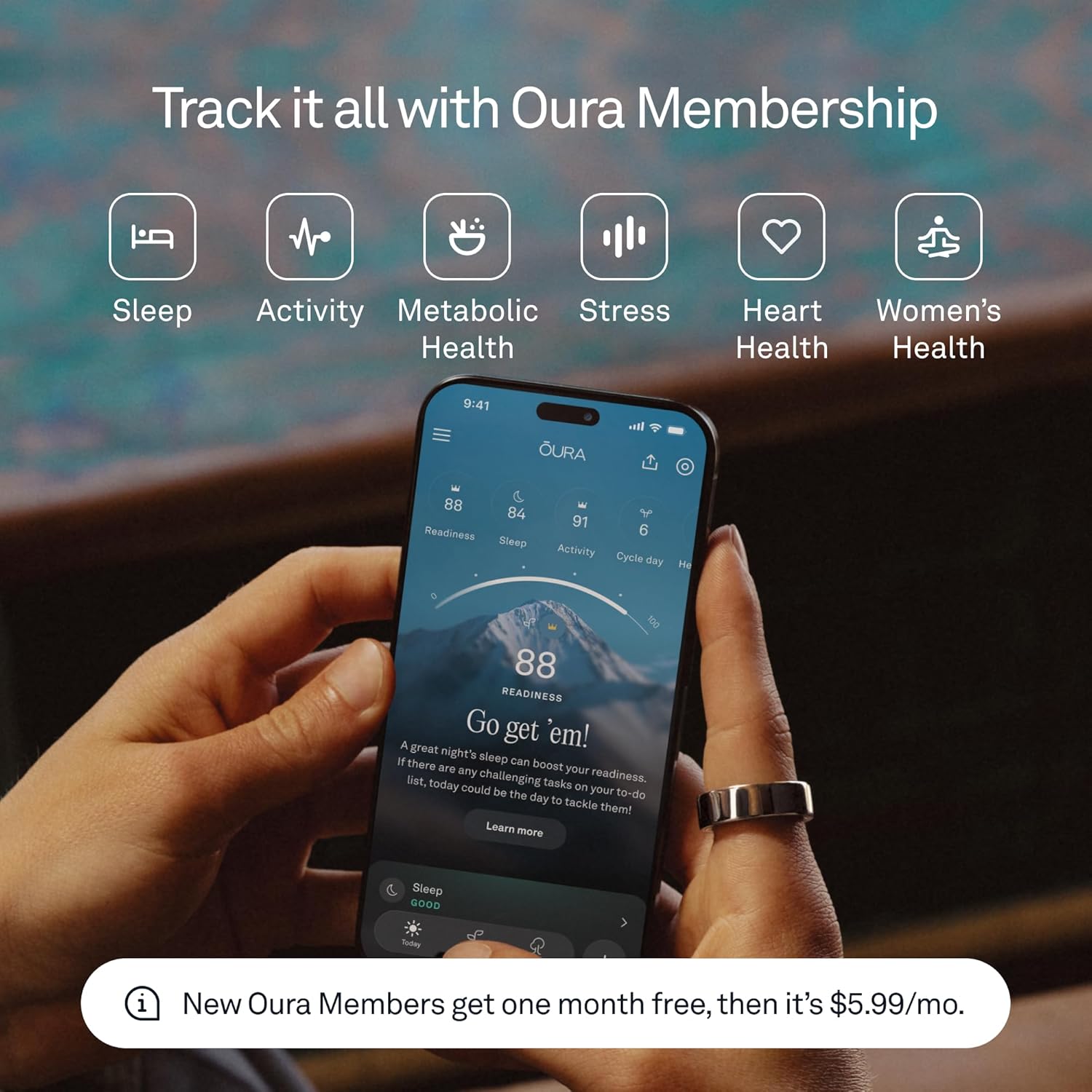
The Oura Ring 4 is honestly perfect for people who want comprehensive health tracking but absolutely hate wearing watches to bed (which is like half of us honestly). It's a titanium ring with sensors packed inside that track heart rate, heart rate variability, body temperature, blood oxygen, and all your movement. The sleep analysis is genuinely the best I've personally tested—way more accurate than wrist-based trackers because fingers apparently have better blood flow for optical sensors.
What this ring genuinely excels at: the Readiness Score tells you each morning how recovered you actually are based on sleep quality, resting heart rate, and heart rate variability. The Temperature Trend feature catches early signs of illness before you even feel sick (your body temperature rises slightly like a day before symptoms start). And the battery somehow lasts 4-7 days despite being crammed into a tiny ring form factor which is kind of impressive.
Why athletes and biohacking people are obsessed with this thing: Heart rate variability (HRV) is legitimately one of the best indicators of recovery and stress levels your body has, and the Oura Ring measures it way more accurately than wrist devices because of the finger placement. The sleep staging breakdown (light, deep, REM) helps you actually improve sleep quality by identifying what's disrupting your rest patterns. At $299 plus $6/month membership it's definitely not cheap, but for serious sleep and recovery tracking, it's genuinely unmatched by anything else. The membership fee is annoying but supposedly pays for the app development and cloud storage.
💤 Best Sleep Analysis Period
Get Oura Ring 4 →✅ Recovery Tracking
- Most accurate sleep tracking you can buy
- Heart rate variability monitoring (HRV)
- Body temperature trends (catches illness)
- Blood oxygen tracking during sleep
- Readiness Score for daily recovery
- 4-7 day battery life (impressive for ring)
- Comfortable to wear 24/7 honestly
- Discreet (just looks like nice jewelry)
❌ Real Limitations
- $299 upfront + $6/mo forever (adds up)
- No screen at all (phone-only data viewing)
- Sizing must be exact (order sizing kit first)
- No workout tracking during activities
- Requires membership for full features (annoying)
5. Withings Body+ Smart Scale — Way More Than Just Weight

The Withings Body+ is a smart scale that tracks way more than just your weight number. It measures body fat percentage, muscle mass, water percentage, and bone mass using bioelectrical impedance (sends a tiny electrical signal through your body that you can't even feel). Syncs automatically to your phone via WiFi without you having to open any app, supports up to 8 different users with automatic recognition when you step on, and integrates seamlessly with Apple Health, Google Fit, and Fitbit.
What makes this scale genuinely useful instead of just another gadget: tracking body composition matters literally way more than weight alone for actual health. You can be losing fat and gaining muscle (getting way healthier) but the scale number stays exactly the same which is super discouraging if that's all you're tracking. The Body+ shows you what's actually happening with your body composition over time. The trend graphs spanning weeks and months help you see if your diet and exercise changes are actually working or if you're just spinning your wheels.
Why this beats regular scales by a lot: At $99 it costs like 3-4 times what a basic bathroom scale costs, but the automatic syncing and body composition tracking make the difference between "stepping on a scale occasionally when you remember" and "actually monitoring your health consistently without thinking about it." The WiFi sync means you literally just step on the scale and the data magically appears in your app—no manual logging, no opening apps, nothing. Multi-user support makes it perfect for families where everyone wants to track their own stuff separately. This is the health gadget that takes literally zero effort to use consistently which is huge.
⚖️ Track What Actually Matters
Check Withings Body+ →✅ Body Insights
- Body fat percentage tracking
- Muscle mass measurement
- Water percentage and bone mass
- Automatic WiFi sync (literally no effort)
- 8-user automatic recognition
- Pregnancy mode for expectant mothers
- Integrates with literally all major health apps
- 18-month battery life (long time)
❌ Scale Limitations
- Body composition accuracy varies (estimates)
- Not medical-grade (good estimates only)
- Requires WiFi for auto-sync feature
- $99 vs like $20-30 basic scales
- Readings affected by hydration levels
6. Theragun PRO Plus — Best Massage Gun for Actual Recovery

The Theragun PRO Plus is a professional-grade percussion massage device that genuinely helps with muscle recovery and tension instead of just feeling good temporarily. It delivers up to 60 lbs of force at 2,400 percussions per minute (which is a lot), has this rotating arm design that lets you reach awkward spots on your own back without contorting yourself, comes with 6 different attachment heads for different muscle groups and uses, and now includes wireless charging so you don't have to deal with cables.
What this actually does for recovery beyond just feeling nice: deep tissue massage increases blood flow to sore muscles which legitimately speeds recovery after hard workouts. It releases muscle knots and tension way more effectively than foam rolling or stretching alone. And the percussive therapy genuinely helps with range of motion before workouts (like a dynamic warm-up) and reduces muscle soreness afterward (DOMS is brutal otherwise).
Why physical therapists actually recommend these devices: Percussion therapy is scientifically proven to reduce delayed onset muscle soreness after intense exercise. It's also genuinely helpful for chronic muscle tension from desk work or poor posture (which is like everyone who works from home). At $599 it's honestly expensive for a massage device—like, that's a lot of money. But if you're currently paying $100-150 for professional massages regularly, this thing pays for itself in just a few months of use. The PRO Plus model specifically adds wireless charging and improved motor quietness compared to cheaper Theragun models which is nice.
💆 Professional Recovery
Get Theragun PRO Plus →✅ Recovery Benefits
- 60 lbs of force (genuinely deep tissue)
- Rotating arm (reaches your own back easily)
- 6 attachment heads included
- Wireless charging (no cables)
- Quieter than previous models
- 2+ hour battery life per charge
- Bluetooth app with guided routines
- Professional-grade build quality
❌ Premium Pricing
- $599 (genuinely very expensive)
- Heavy at 2.9 lbs (arm gets tired)
- Loud at maximum settings still
- Cheaper Theragun models work fine too
- Not medical treatment (just supplement)
7. Philips SmartSleep Connected — For Serious Sleep Problems

The Philips SmartSleep Connected is this headband you wear while sleeping that uses actual EEG sensors (like, measures your actual brain activity) to track sleep stages with medical-grade accuracy. Unlike wrist-based trackers that basically just estimate sleep from movement and heart rate patterns, this reads your actual brain waves to determine exactly when you're in light sleep, deep sleep, or REM sleep.
What makes this completely different from other sleep trackers: the accuracy is genuinely on par with sleep lab equipment that costs tens of thousands of dollars. It identifies precisely how much deep sleep you're getting (that's the restorative stage most people are seriously lacking). The SleepMapper app gives you personalized recommendations for improving sleep quality based on your specific patterns and problems. And it plays these special audio tones during deep sleep that supposedly enhance sleep quality (the research is still ongoing but early results look promising).
Why serious sleep optimization genuinely needs something like this: If you've tried literally everything to improve your sleep and nothing seems to work, the problem might be that you don't actually know what's wrong because you're just guessing. The SmartSleep shows you exactly what's happening during your sleep cycles with medical-level precision. At $399 it's honestly expensive for just a sleep tracker, but for people dealing with chronic sleep issues that are ruining their quality of life, the detailed data helps identify actual problems (sleep apnea patterns, insufficient deep sleep, frequent micro-wake-ups) that basic wrist trackers completely miss.
😴 Medical-Grade Sleep Data
Check Philips SmartSleep →✅ Sleep Science
- EEG brain wave monitoring (medical accuracy)
- Precise sleep stage detection
- Deep sleep quantity tracking
- Personalized sleep coaching
- Audio tone sleep enhancement
- Comfortable headband design
- Rechargeable (2-night battery)
- SleepMapper app with detailed insights
❌ Considerations
- $399 expensive for sleep tracker
- Headband takes getting used to
- Not comfortable for side sleepers (annoying)
- Requires nightly charging
- Overkill for casual sleep tracking honestly
Quick Comparison of All These Health Gadgets
| Health Gadget | Price | Best For | Key Feature |
|---|---|---|---|
| Apple Watch Series 11 | $299 | Overall health | FDA-cleared ECG + fall detection |
| Fitbit Charge 6 | $129 | Budget monitoring | 7-day battery + stress tracking |
| Withings BPM Connect | $99 | Blood pressure | FDA-approved + auto-sync |
| Oura Ring 4 | $299 + $6/mo | Sleep & recovery | HRV + readiness scoring |
| Withings Body+ | $99 | Body composition | WiFi sync + 8 users |
| Theragun PRO Plus | $599 | Muscle recovery | 60 lbs force + rotating arm |
| Philips SmartSleep | $399 | Sleep analysis | EEG brain wave monitoring |
Buying Tips Nobody Actually Tells You
💡 Stuff I Wish Someone Had Told Me
1. FDA clearance genuinely matters for anything medical. "FDA-cleared" means the device went through rigorous testing for accuracy and safety. Those cheap blood pressure monitors or ECG devices without FDA clearance might give wildly inaccurate readings which is legitimately dangerous if you're making health decisions based on bad data. Always check for FDA clearance on devices making any medical claims—it's listed in the product details if they actually have it.
2. App quality honestly matters as much as the hardware sensors. A device with great sensors but a terrible buggy app is basically useless. Before buying anything, download the companion app and read recent reviews (not old ones). Look specifically for complaints about syncing issues, missing features, or abandoned apps that haven't been updated in like two years. The Withings and Fitbit apps are consistently excellent. Some cheaper brands have apps that barely even work properly.
3. Battery life determines if you'll actually use it consistently. Devices requiring daily charging often get completely abandoned within just a few weeks because it's annoying. The Apple Watch's 18-hour battery means nightly charging which interrupts sleep tracking if that matters to you. Fitbit's 7-day battery means you actually wear it consistently. Oura Ring's 4-7 days hits a sweet spot. Seriously factor in your own charging discipline and habits when choosing because this matters more than you think.
4. Data export matters way more than you'd think for doctor visits. Many health apps let you export complete reports (PDF or CSV format) showing trends over weeks or months. Doctors genuinely appreciate this actual data way more than you just telling them "my blood pressure has been high lately I think." Check if the app has easy export features before buying—it's surprisingly rare in cheaper devices and super helpful when you need it.
5. Subscription costs are really sneaky with health gadgets. Oura Ring requires $6/month membership for full features forever. Fitbit locks their best insights behind Fitbit Premium at $10/mo. Whoop is entirely subscription-based with no upfront purchase. Calculate the total cost over like 2 years including all subscriptions before buying anything. Sometimes the "cheaper" device actually costs way more long-term when you add it all up.
6. Accuracy varies absolutely wildly between cheap and quality devices. A $30 blood pressure monitor from some unknown brand might read 20+ points different from actual clinical equipment. That's not just inaccurate—it's genuinely dangerous if you're making health decisions based on completely wrong data. Stick to known reliable brands (Withings, Omron, Welch Allyn) for anything involving medical measurements. Don't mess around with this.
7. Wrist-based heart rate monitoring isn't perfect during intense exercise. Optical heart rate sensors (those LED lights measuring blood flow through your skin) really struggle during intense workouts when you're moving your arms around a lot. If you need precise heart rate zones for actual training optimization, seriously consider chest strap monitors (Polar H10, Garmin HRM-Pro) which are way more accurate during exercise even though they're less convenient.
8. Body composition scales are estimates, definitely not medical measurements. The body fat percentage, muscle mass, and bone density numbers from smart scales use bioelectrical impedance which varies based on your hydration level, what you ate recently, and even time of day. Use them for tracking general trends (am I gaining or losing body fat over time) but don't treat the absolute numbers as gospel truth or get obsessed with tiny fluctuations.
9. Sleep trackers absolutely cannot diagnose sleep apnea or other disorders. Even the best consumer sleep trackers (Oura, Philips SmartSleep) can show concerning patterns suggesting sleep apnea (frequent interruptions, low blood oxygen) but they can't actually diagnose medical conditions. If your tracker consistently shows concerning patterns, see a real sleep specialist for an actual sleep study. Don't try to self-diagnose from gadget data alone.
10. Multi-user support genuinely matters for household devices. Smart scales and blood pressure monitors often support multiple users with automatic recognition when different people use them. This is huge for families—everyone gets their own separate tracking without manually switching profiles every single time. The Withings Body+ handles 8 users automatically which is perfect. Cheaper scales make you manually select users which literally nobody does consistently and the data gets all mixed up.
Which Health Gadgets for Your Specific Situation
❤️ Best for Heart Health Monitoring
Get: Apple Watch Series 11 + Withings BPM Connect
Why: ECG catches atrial fibrillation before it causes strokes, blood pressure monitor tracks hypertension properly, combined data gives your doctor a complete cardiovascular picture instead of guessing
😴 Best for Sleep Optimization
Get: Oura Ring 4 or Philips SmartSleep Connected
Why: Oura for daily consistent sleep tracking plus HRV recovery monitoring, Philips SmartSleep for deep sleep analysis when you're troubleshooting chronic issues that won't go away
💰 Best Budget Health Setup
Get: Fitbit Charge 6 + Withings BPM Connect
Why: Under $260 total for both, covers heart rate, sleep quality, activity levels, stress monitoring, and blood pressure—basically all the health essentials without premium pricing
🏃 Best for Fitness and Recovery
Get: Apple Watch Series 11 + Theragun PRO Plus + Oura Ring
Why: Watch tracks workouts and real-time heart rate, Theragun genuinely aids muscle recovery after hard sessions, Oura monitors readiness scores and sleep quality for training optimization cycles
⚖️ Best for Weight Management
Get: Withings Body+ + Fitbit Charge 6
Why: Scale tracks body composition trends over time, Fitbit monitors calories burned and activity levels accurately, combined data shows if your diet and exercise changes are actually working or not
🩺 Best for Medical Monitoring
Get: Apple Watch Series 11 + Withings BPM Connect
Why: Both are FDA-cleared for actual medical accuracy, data exports in formats doctors actually use and appreciate, comprehensive monitoring between appointments catches problems early
Questions People Actually Ask About Health Gadgets
Q: Are health gadgets actually accurate enough to rely on for real health decisions?
A: Depends completely on the device and what specific metric it's measuring. FDA-cleared devices like the Apple Watch ECG and Withings blood pressure monitors are clinically accurate and genuinely reliable for making medical decisions. Consumer fitness trackers (Fitbit, Garmin) are accurate enough for tracking trends over time but individual readings can vary quite a bit. Always choose FDA-cleared or clinically validated devices for anything involving medical decisions. Cheap knockoffs from unknown brands can be dangerously inaccurate and shouldn't be trusted.
Q: Do I actually need a smartwatch or is a basic fitness tracker enough?
A: For basic health monitoring stuff (heart rate, step counting, sleep tracking), a fitness tracker like the Fitbit Charge 6 at $159 is honestly plenty and offers way better battery life. Smartwatches like the Apple Watch ($399 and up) add actual medical features (ECG, fall detection), full smartphone integration, and huge app ecosystem but they require daily charging which is annoying. Choose based on your actual needs: fitness tracker for straightforward monitoring, smartwatch for comprehensive health features plus all the convenience stuff.
Q: How often should I actually check my blood pressure at home?
A: According to the American Heart Association, if you have diagnosed high blood pressure, you should check it twice daily (once in the morning, once in the evening) at roughly the same times each day. If you're monitoring to help with diagnosis, take readings at different times throughout the day for like a week before your doctor appointment. Always take multiple readings (2-3 in a row) and average them together. Consistency in timing and conditions matters way more than checking constantly—same time, same sitting position, relaxed state each time.
Q: Are sleep trackers genuinely worth it or just expensive gimmicks?
A: Good sleep trackers (Oura Ring, Apple Watch, Fitbit) provide genuinely useful data about sleep stages, consistency patterns, and quality over time. They're really helpful for identifying specific issues (not getting enough deep sleep, waking up frequently, terrible sleep schedule consistency) and tracking whether changes you make actually improve things. They can't diagnose actual sleep disorders like apnea (you need a medical sleep study for that) but they show trends that guide smart lifestyle changes. Definitely worth it if sleep quality is a real concern for you.
Q: Can health gadgets actually replace going to the doctor?
A: Absolutely not ever. Health gadgets supplement professional medical care by providing continuous data between doctor visits, catching concerning patterns early before they become emergencies, and tracking whether treatments are working. They help you have way more informed conversations with your doctor backed by actual data. But they absolutely can't diagnose medical conditions, prescribe proper treatment, or replace professional medical advice period. Think of them as early warning systems that tell you when you need to see a doctor, definitely not replacements for actual doctors.
Q: What's honestly the most important health metric to track?
A: No single metric tells the complete story, but resting heart rate and heart rate variability (HRV) are incredibly informative about overall health. Resting heart rate shows cardiovascular fitness level and can catch illness early (sudden increases often happen like a day before you feel sick). HRV indicates stress levels and recovery quality—low HRV means you're stressed or not recovering well from workouts or life. Combined with sleep quality data and blood pressure monitoring, these metrics give a really comprehensive health picture.
Q: Are expensive health gadgets genuinely worth it or is cheaper stuff fine?
A: For medical-grade accuracy stuff (blood pressure monitoring, ECG readings), definitely buy quality devices from reputable brands—accuracy is literally non-negotiable when health decisions are involved. For general fitness tracking, mid-range options (Fitbit, Garmin) work great versus ultra-premium stuff (Apple Watch). Avoid bottom-tier unknown brands especially for anything medical. Sweet spot is typically $100-400 range for quality devices without massively overpaying. The $30 devices are often dangerously inaccurate; the $600+ devices offer diminishing returns for most normal people.
Q: Do health gadgets work with both iPhone and Android?
A: Most do work with both, with some notable exceptions. Apple Watch requires iPhone only (absolutely no Android support ever). Fitbit, Garmin, Withings, Oura Ring, and Samsung Galaxy Watch all work perfectly fine with both iPhone and Android. Always check compatibility specs before buying anything—it's clearly listed in product specifications. iPhone users have slightly more options overall, but Android users still have plenty of excellent choices beyond just Apple's ecosystem.
Final Thoughts on This Whole Health Gadget Thing
Look, health gadgets aren't some magic solution that automatically fixes health problems without any effort on your part. You still genuinely need to eat well, exercise regularly, sleep enough hours, manage stress, and see your doctor for actual checkups. But here's what these devices do really well that makes them valuable: they make invisible health issues visible before they become serious.
That blood pressure slowly creeping up that you can't feel happening? A monitor catches it way before it causes a stroke or heart attack. That irregular heartbeat you don't notice during your normal day? The Apple Watch ECG identifies it early when treatment is most effective. That terrible sleep quality you've just adapted to and think is normal? Sleep trackers show you exactly what's wrong so you can actually fix the root cause instead of just being tired forever.
After spending over a year using various health gadgets extensively and testing them, here's my completely honest take: start with just one device that addresses your single biggest health concern. High blood pressure runs in your family? Get the Withings BPM Connect blood pressure monitor. Sleep is consistently terrible? Try the Oura Ring or Apple Watch with good sleep tracking features. Want general all-around health monitoring? The Fitbit Charge 6 offers genuinely incredible value for the price.
Don't try to buy literally everything at once and overwhelm yourself. Start with one device that matters most to you, use it consistently for at least a full month, and see if the data actually helps you make better health decisions or changes. If it genuinely does help, then maybe add another device that tracks something completely different. Build your personal health monitoring ecosystem gradually over time based on what actually improves your health outcomes, not what's hyped on social media or trending on YouTube.
The absolute best health gadget is genuinely the one you'll actually use every single day without fail. A $399 Apple Watch sitting in a drawer collecting dust helps exactly nobody. A $99 blood pressure monitor that you use twice daily every day can literally prevent strokes and save your life. Pick devices that genuinely fit your lifestyle, charge conveniently without being annoying, and track specific metrics that matter for your personal health goals instead of just buying what's popular.
💚 Ready to Start Monitoring Your Health?
Shop Health Gadgets on Amazon →


No comments:
Post a Comment