Photography Equipment 2026: The Gear That Actually Makes Your Photos Better

📸 Essential Photography Equipment Checklist (Start Here)
- ✓ Camera body (mirrorless preferred) — full-frame or APS-C depending on budget, prioritize sensor size over megapixels
- ✓ Versatile lens (24-70mm or 35mm prime) — covers most shooting situations, invest here before buying more lenses
- ✓ Sturdy tripod — carbon fiber if you travel, aluminum if it stays home, don't cheap out on the head
- ✓ Fast memory cards (UHS-II minimum) — shooting buffer matters more than you think, always buy two
- ✓ Camera bag with weather protection — protects thousands of dollars of gear, get one that fits your actual shooting style
⚡ If You're Just Here for the Top Picks
Understanding Photography Equipment in 2026
The photography equipment landscape has shifted dramatically over the past few years. Mirrorless cameras have completely replaced DSLRs in most manufacturers' lineups. Computational photography (the AI-assisted stuff your smartphone does) is now built into dedicated cameras. And honestly, the gap between "beginner" and "professional" gear has narrowed significantly—budget cameras today have features that would've been flagship-only five years ago.
Here's what actually matters when you're building out your photography kit: glass over body (lenses matter more than camera bodies), lighting knowledge beats expensive strobes, and having the right support equipment (tripods, bags, memory cards) prevents way more disasters than megapixel counts ever will.
Best Photography Equipment for 2026 (Tested and Recommended)
1. Sony A7 V — Best Overall Full-Frame Mirrorless Camera

The Sony A7 V is what I'd call the "Goldilocks camera"—not too entry-level, not absurdly expensive, just right for most photographers. It's a 33MP full-frame mirrorless that excels at both stills and video, which is increasingly important in 2026 since most photographers need to shoot both.
What makes this camera special: the autofocus is genuinely impressive (tracks eyes on humans, animals, and birds reliably), the sensor produces excellent dynamic range so you can recover shadows and highlights in post, and the ergonomics just work. I've shot weddings, portraits, and commercial work with this body and it's never been the limiting factor—I have been, but the camera hasn't.
Why this is worth the investment: At $2,898 it's not cheap, but it's the camera body you'll keep for 5-7 years while you upgrade lenses around it. The 33MP resolution is more than enough for large prints, the 10fps burst mode catches action, and the video specs (4K 60p) handle professional work. If you're serious about photography and can afford it, this is the body to build your kit around.
📸 Professional-Grade Hybrid Camera
Check Sony A7 V Price →✅ What Works Exceptionally Well
- 33MP full-frame sensor (excellent resolution/noise balance)
- Best-in-class autofocus (reliable eye tracking)
- 10fps burst shooting with great buffer
- 4K 60p video with 10-bit color
- Dual card slots (CFexpress + SD)
- In-body stabilization (5.5 stops)
- Excellent battery life (530 shots per charge)
- Extensive lens ecosystem
❌ Honest Limitations
- $2,898 is steep for beginners
- Menu system still confusing (Sony's weakness)
- No built-in flash (external required)
- Native lenses can be expensive
- Rolling shutter in video (not terrible but exists)
2. Canon EOS R50 — Best Budget Mirrorless Camera
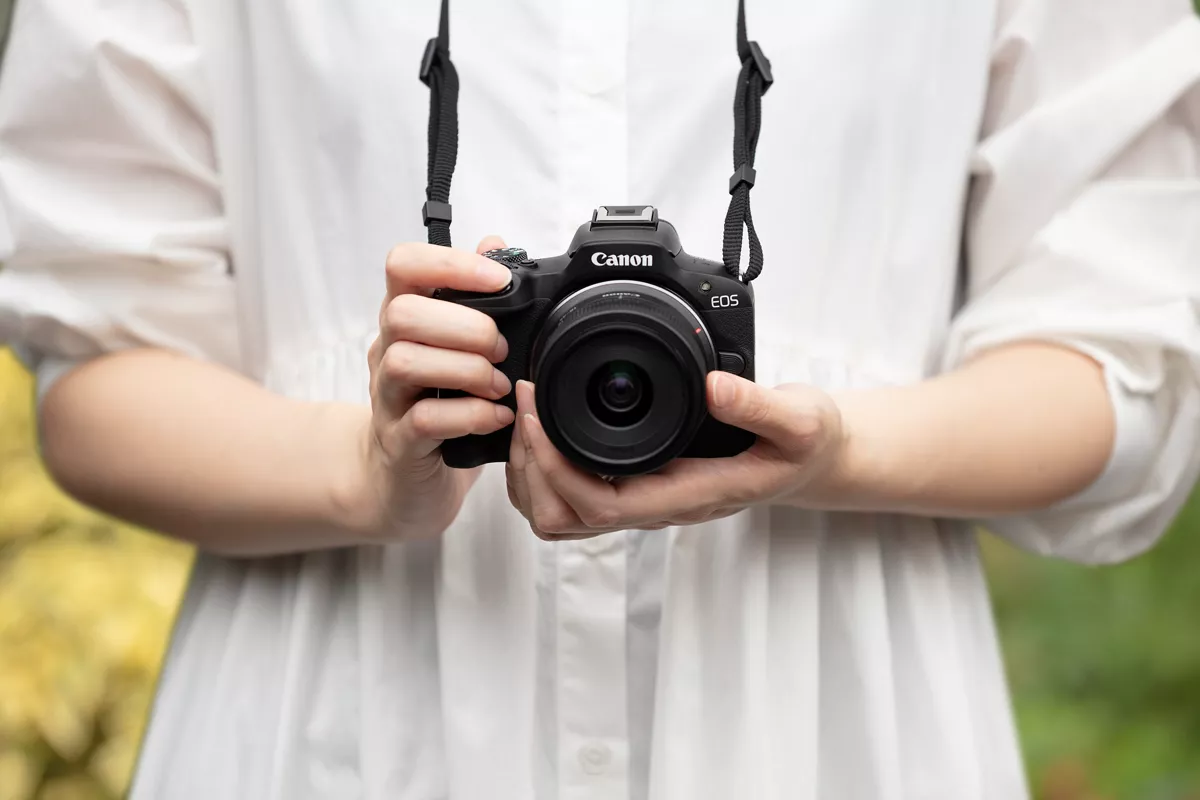
If the Sony A7 V is out of your budget (totally understandable), the Canon EOS R50 is the best entry point into serious photography in 2026. It's a 24.2MP APS-C mirrorless camera that punches way above its $679 price point—I've recommended this to probably a dozen friends starting out and they've all been thrilled with it.
What makes this camera great for beginners: the autofocus is legitimately good (uses Canon's Dual Pixel CMOS AF II), it's tiny and lightweight so you'll actually carry it, and the guided menus help you learn photography concepts instead of just leaving you confused. Plus it shoots 4K video, which at this price point is genuinely impressive.
Why beginners should seriously consider this: For $679 you're getting a camera that won't hold you back as you improve. The image quality is excellent, the autofocus works reliably, and there's a growing selection of affordable RF-S lenses designed specifically for it. You can upgrade to a full-frame Canon body later and keep using some of the lenses, which makes this a smart investment rather than a dead-end starter camera.
🎓 Perfect Beginner's Camera
Get Canon EOS R50 →✅ Excellent Value
- $750 for mirrorless with great AF
- 24.2MP APS-C sensor (excellent quality)
- Dual Pixel CMOS AF II (reliable tracking)
- Lightweight (12.7 oz body only)
- 4K 30p video (cropped but usable)
- Guided menu system (helps learning)
- Vari-angle touchscreen
- Growing RF-S lens selection
❌ Trade-offs at This Price
- APS-C sensor (smaller than full-frame)
- Single SD card slot (not dual)
- No in-body stabilization (lens-only)
- Battery life okay but not great (235 shots)
- Plastic build (not weather-sealed)
3. Tamron 28-75mm f/2.8 G2 — Best All-Purpose Lens
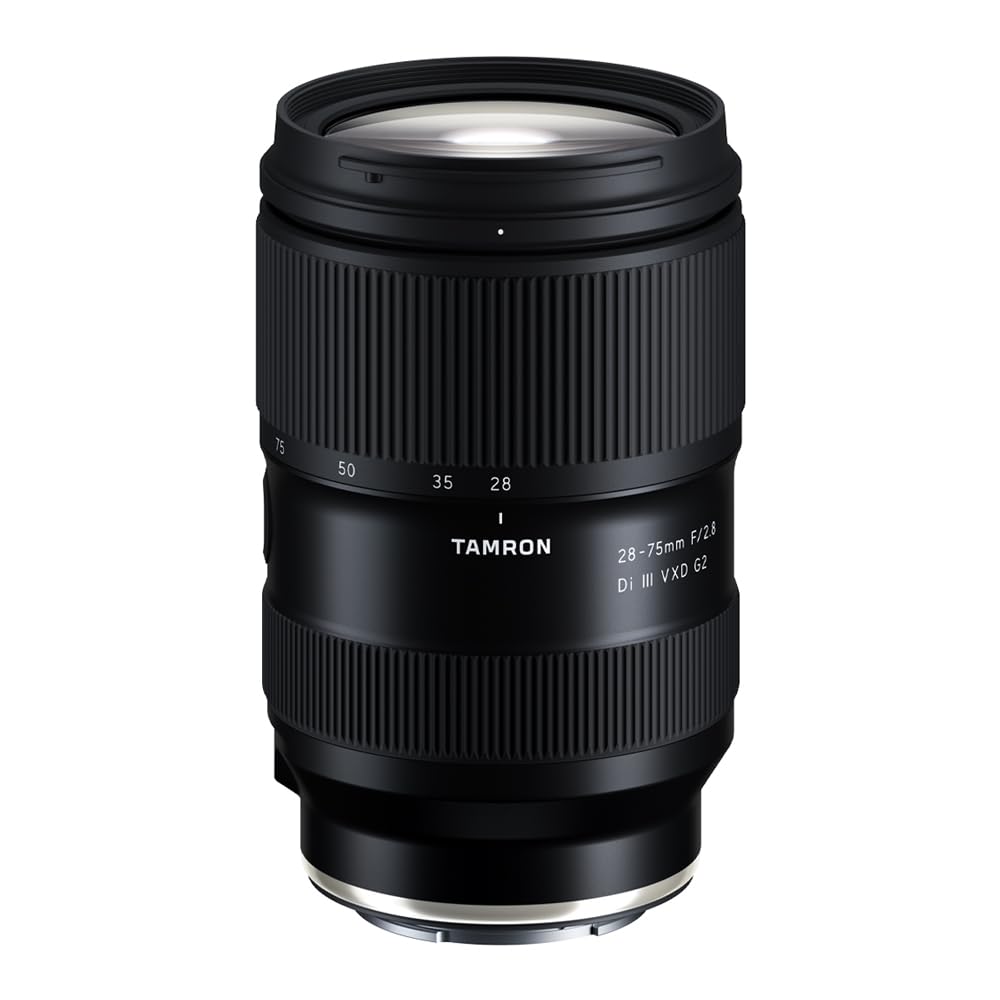
This is the lens I keep on my camera probably 70% of the time. The Tamron 28-75mm f/2.8 G2 (second generation) is what I call a "desert island lens"—if you could only have one lens, this would be it. Covers wide-angle to short telephoto, constant f/2.8 aperture for low light and shallow depth of field, and it's sharp across the entire frame.
Why third-party lenses like Tamron matter: this lens costs $899 and performs nearly identically to Sony's 24-70mm f/2.8 GM II that costs $2,300. Yes, the Sony is slightly sharper in corners and has faster autofocus, but for most photographers the Tamron delivers 95% of the performance at 40% of the price. That math works.
What makes this lens essential: The focal range handles portraits (75mm), environmental shots (35-50mm), and wider scenes (28mm). The f/2.8 aperture lets you shoot in dim lighting without cranking ISO to unusable levels. And it's compact enough that you'll actually carry it instead of leaving it home because it's too big and heavy. Available for Sony E-mount, Canon RF, and Nikon Z.
🔍 The One Lens That Does Everything
Check Tamron Lens Price →✅ Why This Lens Rocks
- Versatile 28-75mm range
- Constant f/2.8 aperture (great low light)
- Sharp across entire frame
- $799 vs $2,300 for Sony equivalent
- Compact and lightweight (19.4 oz)
- Fast, accurate autofocus
- Weather-sealed construction
- Available for Sony, Canon, Nikon
❌ Minor Limitations
- Not quite as sharp as $2,300 Sony GM (close though)
- Slight focus breathing (video annoyance)
- No aperture ring (some prefer physical control)
- Lens hood feels cheap (works fine though)
4. Manfrotto Befree Advanced Carbon Fiber Tripod — Best Travel Tripod
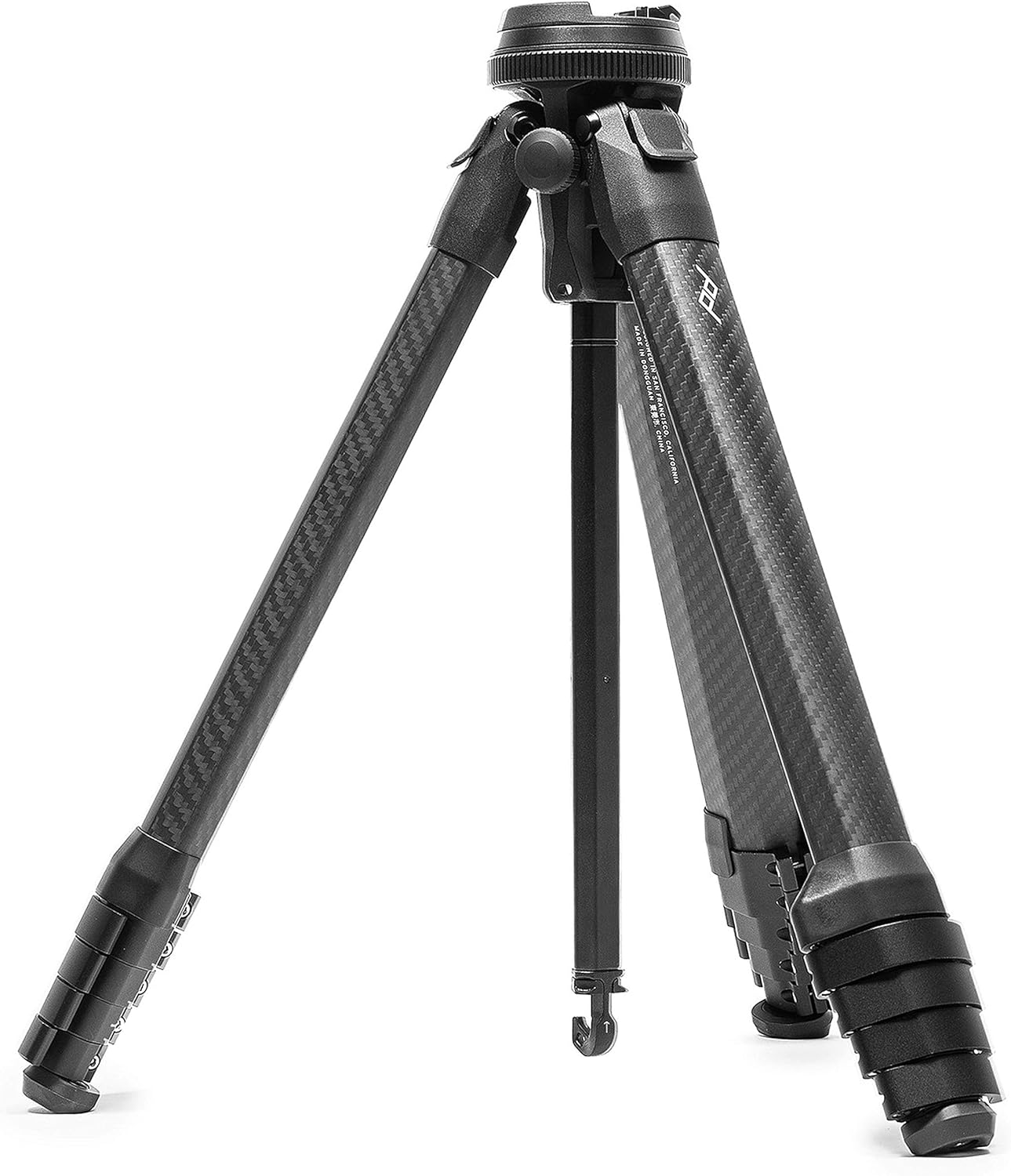
Tripods are boring until you need one, and then they're absolutely critical. The Manfrotto Befree Advanced Carbon Fiber is what I bring on every shoot where I might need long exposures, panoramas, or stable video. It folds down to 15.75 inches (fits in a carry-on), weighs only 3.1 lbs, but extends to 59 inches and holds up to 17.6 lbs of camera gear.
Why carbon fiber matters: it's not just about weight savings (though that's nice). Carbon fiber absorbs vibrations better than aluminum, which means sharper long exposures. And when you're hiking three miles to get a landscape shot, those 2 pounds saved over an aluminum tripod genuinely matter by the end of the day.
What makes this tripod worth it: The ball head is smooth and locks solidly (so many cheap tripods have terrible heads that drift). The twist-lock legs deploy quickly without pinching fingers. And it comes with a dedicated travel bag that's actually useful. At $279 it's not the cheapest tripod, but it's the one you'll still be using in five years instead of replacing annually.
🗻 Stable Support That Travels
Get Manfrotto Tripod →✅ Travel-Friendly Features
- Lightweight carbon fiber (3.1 lbs)
- Compact folded size (15.75 inches)
- Extends to 59 inches
- Holds 17.6 lbs (plenty for most setups)
- Quality ball head included
- Twist-lock legs (fast deployment)
- Includes travel bag
- 5-year manufacturer warranty
❌ Considerations
- $279 vs $100 aluminum alternatives
- Leg angles only two positions (some want three)
- Ball head not Arca-Swiss compatible (adapter needed)
- Legs can be wobbly at max extension in wind
5. Peak Design Everyday Backpack V2 — Best Camera Bag

Camera bags are weirdly personal—what works for me might drive you crazy. That said, the Peak Design Everyday Backpack V2 (20L) is the most thoughtfully designed camera bag I've used in years. It's not just a padded box with a shoulder strap—it's genuinely designed around how photographers actually work.
What makes this bag different: the FlexFold dividers let you configure the interior for whatever gear you're carrying that day. The side access panels mean you don't have to take the bag off to grab your camera. And it doesn't scream "expensive camera equipment" to potential thieves—it just looks like a nice backpack.
Why this bag is worth the investment: At $259 it's expensive for a bag, but consider you're protecting thousands of dollars of camera gear. The weather-resistant materials keep your equipment safe in rain (I've shot through downpours with this bag and everything stayed dry). The laptop compartment fits a 16-inch MacBook Pro. And when you're not shooting, you can remove the dividers and use it as a regular backpack. That versatility matters.
🎒 Protect Your Gear Properly
Check Peak Design Bag →✅ Design Excellence
- Modular FlexFold dividers
- Side access (grab camera without unpacking)
- Weather-resistant exterior
- Fits 16-inch laptop
- Doesn't look like camera bag (theft deterrent)
- Comfortable all-day carry
- Converts to regular backpack
- Lifetime guarantee
❌ Premium Pricing
- $259 for a backpack (ouch)
- 20L limited for huge lens collections
- Magnetic closures can be finicky
- Not TSA-friendly opening
- Limited color options
6. Godox AD200 Pro II — Best Portable Flash for Photography

Lighting is honestly more important than your camera body for most photography, but nobody wants to lug around huge studio strobes. The Godox AD200 Pro is what changed portable lighting for me—it's a 200Ws strobe that fits in a camera bag, runs on a rechargeable battery, and has enough power to overpower daylight in most situations.
Why this matters for photography: you can shoot portraits outdoors at noon (normally terrible lighting) and use this flash to balance the harsh sunlight and create dimension on faces. You can freeze motion at events. You can add rim lighting to create separation. All with a light that weighs 1.2 lbs and fits in your jacket pocket.
What makes this flash system valuable: TTL (through-the-lens metering) means the flash figures out power levels automatically in most situations—you can also go full manual when you need control. High-Speed Sync works up to 1/8000s shutter speed (crucial for wide apertures in bright light). And the battery gives you about 500 full-power pops per charge. At $379 it's not cheap for a flash, but it's dramatically cheaper than Profoto equivalents that cost $1,000+.
💡 Transform Your Lighting Game
Get Godox AD200 Pro II →✅ Powerful Portable Lighting
- 200Ws power (very bright for size)
- Compact (fits in camera bag)
- TTL and manual modes
- High-Speed Sync (up to 1/8000s)
- 500 full-power flashes per charge
- Interchangeable heads (bare bulb, Fresnel)
- Works with most camera systems
- $349 vs $1,000+ Profoto alternatives
❌ Learning Curve
- Requires understanding of flash photography
- Need separate trigger ($60-80)
- Battery not user-swappable mid-shoot
- Build quality good but not premium
- Recycle time slower at full power
7. SanDisk Extreme Pro UHS-II SD Card (128GB) — Best Memory Cards
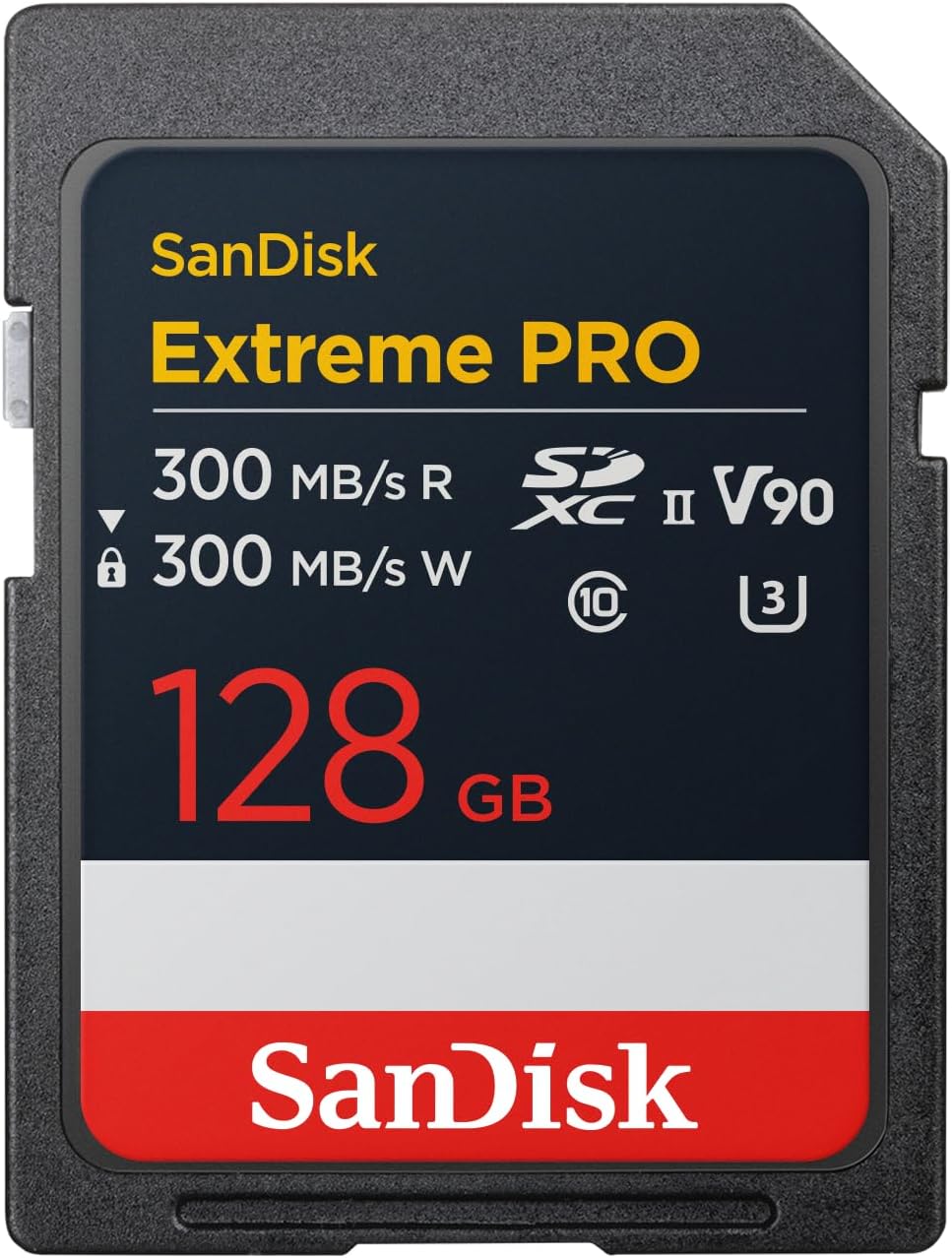
Memory cards are the least exciting photography equipment to buy, which is exactly why people cheap out on them and then lose wedding photos or once-in-a-lifetime shots. Don't be that person. The SanDisk Extreme Pro UHS-II cards are fast enough to keep up with burst shooting on modern cameras, reliable enough that I've never had one corrupt, and affordable enough that you can buy multiples for backup.
Why speed actually matters: cheaper UHS-I cards max out around 100 MB/s write speed. These UHS-II cards hit 260 MB/s. In practice, that means your camera's buffer clears faster when shooting bursts (you can keep shooting instead of waiting), and file transfers to your computer take minutes instead of 20+ minutes for a full card.
Storage strategy that prevents disasters: Buy at least two 128GB cards instead of one 256GB card. Use one card while the second stays in your camera as backup (if your camera has dual slots), or keep it as a spare if you fill the first one. At $42 per card, having redundancy is worth way more than the minor inconvenience of swapping cards occasionally. I've had exactly one card fail in eight years—it was a cheap no-name brand and I lost an entire day of shooting. Learned that lesson.
💾 Don't Lose Your Photos
Get SanDisk Card →✅ Fast & Reliable
- 260 MB/s write speed (UHS-II)
- 300 MB/s read speed (fast transfers)
- 128GB holds ~3,500 RAW images
- Reliable brand (rarely fail)
- Lifetime limited warranty
- Temperature/water/shock resistant
- Works in UHS-I cameras (backward compatible)
- Affordable at $42
❌ Minor Notes
- Need UHS-II camera to get full speed
- 128GB fills up on long shoots (buy multiples)
- Counterfeit cards exist (buy from Amazon direct)
- Not as fast as CFexpress (different format)
8. K&F Concept Lens Cleaning Kit — Essential Maintenance

You're going to get dust on your lenses and sensor. It's inevitable. Having the right cleaning tools prevents you from making things worse by wiping lenses with your shirt (please don't) or blowing on them (your breath has moisture and oils that make things worse, not better).
What's in this kit that matters: rocket blower (removes 90% of dust without touching the lens), microfiber cleaning cloths (actually lift dust instead of smearing it), lens cleaning solution (alcohol-free so it won't damage coatings), and lens cleaning pens (great for spot cleaning). Everything fits in a small pouch that lives in your camera bag.
Why proper cleaning matters: A $2,000 lens with a smudged front element takes worse photos than a $200 lens that's clean. Dust on your sensor shows up as spots in every photo, especially at small apertures (f/11+), and you'll spend hours in Lightroom cloning them out if you don't clean it. This $29 kit prevents all of that and lasts years. It's the cheapest photography equipment investment that has the biggest impact on image quality.
🧹 Protect Your Glass Investment
Get Cleaning Kit →✅ Complete Maintenance
- Rocket blower (best first cleaning step)
- Microfiber cloths (actually work)
- Lens cleaning solution (safe for coatings)
- Lens pens (spot cleaning)
- Cotton swabs (sensor cleaning)
- Storage pouch (stays in camera bag)
- Works for lenses and sensors
- Just $29 (lasts years)
❌ What It's Not
- Doesn't include sensor swabs (buy separately)
- Microfiber cloths wear out eventually
- Cleaning solution bottle is small
- Pouch quality is basic (works though)
9. Neewer 66" LED Video Light — Budget Continuous Lighting

Continuous lights (lights that stay on, not flash) are incredibly useful for both photography and video. The Neewer 66" LED panel gives you controllable, daylight-balanced lighting for portraits, product photography, or video work, and it costs $89 instead of the $300+ professional LED panels charge.
Why continuous lights matter for learning: unlike flash, you see exactly how the light affects your subject in real-time. Want to learn how side lighting creates dimension? Continuous light shows you immediately. Want to balance foreground subject with background ambient light? You can see the mix before taking a photo. This makes continuous lights better for beginners than flash for learning lighting fundamentals.
What you get for the price: Dimmable from 1-100%, adjustable color temperature (3200K-5600K so you can match tungsten or daylight), includes diffuser and barn doors for controlling light spill, and comes with a light stand. It's not as powerful as studio strobes for freezing motion, but for portraits, product shots, or interview setups, it's genuinely excellent for $89.
🎬 Affordable Continuous Lighting
Get Neewer LED Light →✅ Budget-Friendly Features
- Large 66" LED panel (good coverage)
- Dimmable 1-100%
- Adjustable color temp (3200K-5600K)
- Includes stand, diffuser, barn doors
- See lighting effect before shooting
- Works for photo and video
- AC powered (no batteries to manage)
- Just $89 (crazy value)
❌ Trade-offs
- Not as bright as studio strobes
- Can't freeze fast motion
- AC power only (not portable)
- Build quality is budget (works fine though)
- Flicker can be issue at certain settings
10. DJI RS 4 Mini Combo — Best Camera Gimbal for Video

If you're shooting any video with your photography equipment (and in 2026, most photographers are doing both stills and video), a gimbal transforms handheld footage from shaky amateur-looking clips into smooth professional-looking shots. The DJI RS 4 Mini Combo is the smallest, lightest gimbal that still works with full mirrorless camera setups.
Why this gimbal works for photographers: it's designed for mirrorless cameras specifically (up to 4.4 lbs payload), folds down small enough to fit in a camera bag, and the single-handed operation means you can shoot stills with your right hand and quickly grab the gimbal with your left when you need video. Previous gimbals required two-handed operation which made switching between photo and video clunky.
What makes this worth the investment: At $459 it's the cheapest way to get genuinely smooth camera movement for video. Walking shots look like dolly shots. Following a subject is smooth instead of jarring. And the automatic horizon leveling means you don't have to think about keeping the camera perfectly level—the gimbal does it. Available for Sony, Canon, Nikon mirrorless systems.
🎥 Smooth Video from Stills Camera
Check DJI RS 4 Mini Combo →✅ Compact Power
- Lightweight (1.78 lbs)
- Holds mirrorless cameras (4.4 lbs payload)
- Folds down compact (fits in camera bag)
- Single-handed operation
- Automatic horizon leveling
- Native vertical shooting (for social media)
- 10-hour battery life
- Bluetooth shutter control
❌ Limitations
- $369 is steep for casual users
- Learning curve (balancing takes practice)
- 4.4 lbs payload limits larger setups
- Not for heavy cinema cameras
- Requires DJI app for some features
Photography Equipment Comparison Table
| Equipment | Price | Best For | Key Feature |
|---|---|---|---|
| Sony A7 V | $2,898 | Professional hybrid | 33MP full-frame, best AF |
| Canon EOS R50 | $749 | Beginners | Budget mirrorless, great AF |
| Tamron 28-75mm f/2.8 | $799 | Versatile shooting | All-purpose zoom |
| Manfrotto Befree Carbon | $279 | Travel photography | Lightweight, compact |
| Peak Design Backpack | $299 | Gear protection | Modular, weather-proof |
| Godox AD200 Pro II | $349 | Portable lighting | 200Ws, TTL, HSS |
| SanDisk Extreme Pro | $150 | Fast storage | 260 MB/s write |
| K&F Cleaning Kit | $29 | Maintenance | Complete lens care |
| Neewer LED Panel | $89 | Budget lighting | Continuous, dimmable |
| DJI RS 4 Mini | $369 | Video stabilization | Compact gimbal |
Photography Equipment Buying Tips You Won't Find Elsewhere
💡 Practical Advice from Years of Mistakes
1. Buy lenses before upgrading your camera body. A $500 lens on a $500 camera takes better photos than a $500 lens on a $3,000 camera. Glass matters more than megapixels. Your 5-year-old camera with excellent lenses will outperform a brand-new camera with mediocre lenses every single time. Upgrade your body only when it's genuinely holding you back (buffer too slow, autofocus missing shots, noise unacceptable at needed ISOs).
2. Rent expensive gear before buying it. Websites like LensRentals and BorrowLenses let you rent cameras and lenses for $30-80/week. This is how you figure out if that $2,000 lens is actually worth it for your shooting style before you commit to buying it. I've rented dozens of lenses over the years and discovered some expensive ones I thought I'd love were actually terrible for how I shoot.
3. Buy used from reputable sources. KEH Camera and MPB sell used photography equipment with actual condition grades and warranties. A "bargain" condition lens from KEH might have cosmetic wear but performs identically to new for 40% less money. I've bought probably 15 pieces of used gear and never had an issue. Just avoid eBay sellers with no feedback and Facebook Marketplace "too good to be true" deals.
4. Memory card strategy: two medium cards beat one large card. Two 128GB cards means if one fails or gets lost, you've only lost half a shoot instead of everything. With dual card slots, you can shoot to both cards simultaneously for instant backup. Or use one for RAW and one for JPEG. Point is, redundancy in storage prevents the absolute disaster of losing irreplaceable photos.
5. Check for rebates and bundles constantly. Camera manufacturers run rebates monthly (usually $100-400 off during spring and fall). Amazon bundles cameras with lenses for less than buying separately. B&H Photo often throws in free accessories (bags, memory cards, cleaning kits). Before buying at full price, check manufacturer sites, B&H, Adorama, and Amazon for bundles that save you hundreds.
6. Don't buy variable ND filters. They seem convenient (one filter for all light reduction needs) but they create horrible color casts and weird X-patterns at certain rotations. Buy fixed ND filters (3-stop, 6-stop, 10-stop) or a square filter system instead. I wasted $80 on a variable ND before learning this lesson.
7. Carbon fiber tripods are worth it only if you travel. If your tripod lives in a studio or car, buy aluminum and save the money for lenses. Carbon fiber matters when you're hiking miles with gear or traveling frequently. But for stationary shooting? The vibration absorption benefit is marginal and not worth 3x the price.
8. Test autofocus on your specific camera before buying lenses. Lens reviews test autofocus on specific camera bodies. Your older or different camera might have worse autofocus with that same lens. If possible, rent or test before buying expensive glass. This especially matters with third-party lenses (Tamron, Sigma) which sometimes have compatibility quirks with certain camera bodies.
9. Buy one really good camera bag instead of five cheap ones. I own six camera bags from years of buying "good enough" options that weren't quite right. Then I bought the Peak Design Everyday and haven't used the others since. A well-designed bag you'll use for 10 years is better value than replacing cheap bags every year when zippers break or padding compresses.
10. Insure your gear the day you buy it. Homeowners/renters insurance usually caps camera equipment at $1,500 total and doesn't cover loss or damage outside your home. Get dedicated photography insurance from State Farm Personal Articles Policy or specialized photo insurance. Costs about $80/year for $5,000 of equipment and covers theft, accidental damage, and loss anywhere in the world. Well worth it.
Best Photography Equipment by Use Case
📸 Best for Portrait Photography
Get: Sony A7 V + Tamron 28-75mm f/2.8 + Godox AD200 Pro II
Why: Full-frame for shallow depth of field, versatile lens covers environmental to tight headshots, flash adds dimension to faces
🌄 Best for Landscape Photography
Get: Sony A7 V + Tamron 28-75mm f/2.8 + Manfrotto Befree tripod
Why: High dynamic range sensor, wide focal range, stable tripod for long exposures and panoramas
💰 Best Budget Starter Kit
Get: Canon EOS R50 + kit lens + SanDisk cards + cleaning kit
Why: Under $900 total, excellent learning camera, everything you need to start shooting immediately
🎥 Best for Video + Photography Hybrid
Get: Sony A7 V + Tamron 28-75mm f/2.8 + DJI RS 4 Mini Combo + Neewer LED
Why: Excellent video specs, stabilized motion, continuous lighting for video work
✈️ Best for Travel Photography
Get: Canon EOS R50 + Tamron 28-75mm f/2.8 + Manfrotto Befree + Peak Design bag
Why: Lightweight setup, weather-protected bag, carbon tripod won't weigh you down, versatile lens range
💍 Best for Wedding Photography (Professional)
Get: Two Sony A7 V bodies + Tamron 28-75mm f/2.8 + Godox AD200 Pro + multiple SanDisk cards
Why: Redundancy (dual cameras), reliable AF tracks bride, flash for receptions, fast cards prevent buffer issues
Photography Equipment FAQ
Q: What photography equipment do I need to start?
A: Essential starter equipment: mirrorless camera body (Canon EOS R50 or Sony A7 V depending on budget), one versatile lens (28-75mm f/2.8 zoom or 35mm f/1.8 prime), fast memory cards (128GB UHS-II minimum), camera bag, and cleaning kit. Skip flash, tripod, and extra lenses initially—buy those as you identify specific needs through shooting.
Q: Should I buy full-frame or APS-C camera?
A: APS-C for beginners/budget (lighter, cheaper, excellent quality). Full-frame for professionals needing better low-light performance, shallower depth of field control, and wider field of view. If budget allows, full-frame like Sony A7 V is better long-term investment. If under $1,500 budget, APS-C like Canon R50 delivers 90% of the quality.
Q: What's more important: camera body or lenses?
A: Lenses matter more than camera bodies. A $500 camera with a $1,000 lens takes better photos than a $1,500 camera with a $300 lens. Camera bodies become outdated; quality lenses last decades. Invest in glass (lenses) first, upgrade bodies only when current camera genuinely limits your shooting.
Q: Do I need expensive photography equipment to take good photos?
A: No. Skill, lighting knowledge, and composition matter far more than gear cost. A $700 Canon R50 in skilled hands produces professional results. Expensive equipment helps in specific situations (low light, fast action, huge prints) but doesn't replace understanding photography fundamentals. Master your current gear before upgrading.
Q: What lens should I buy first?
A: Buy one versatile zoom lens first: 24-70mm f/2.8 or 28-75mm f/2.8. Covers wide-angle through short telephoto, handles portraits, landscapes, events, and travel. Avoid buying multiple cheap lenses initially—one excellent zoom beats three mediocre primes for learning photography. Add specialty lenses (telephoto, macro, ultra-wide) after you identify specific needs.
Q: How much should I spend on photography equipment as a beginner?
A: Budget $800-1,200 for starter kit: Camera body ($600-800), versatile lens ($200-400), memory cards ($80), camera bag ($100), cleaning kit ($30). This gets quality equipment you won't immediately outgrow. Avoid spending under $500 (low-quality gear limits learning) or over $3,000 initially (wasted on features beginners don't utilize).
Q: Is mirrorless or DSLR better in 2026?
A: Mirrorless is superior in 2026. All major manufacturers (Canon, Nikon, Sony) stopped developing new DSLRs. Mirrorless advantages: smaller/lighter, better autofocus, superior video, real-time exposure preview, more features. DSLRs still work fine but buying one new in 2026 means limited future lens selection and no manufacturer support for new features.
Q: What photography equipment do professionals use?
A: Professionals typically use: full-frame mirrorless bodies (Sony A7 series, Canon R5/R6, Nikon Z8/Z9), professional f/2.8 zoom lenses, backup camera body, external flash/strobes, sturdy tripod, quality camera bag, multiple fast memory cards, and dedicated photography insurance. Total investment typically $5,000-15,000 depending on specialization (weddings vs product vs landscape).
Final Thoughts on Building Your Photography Kit
Look, photography equipment is a tool, not magic. That Sony A7 V isn't going to make you a better photographer overnight. But the right equipment removes obstacles that prevent you from capturing what you see. A camera with reliable autofocus means you catch the moment instead of missing it because focus hunted. Fast memory cards mean your buffer doesn't fill during the decisive moment. A tripod means you can shoot at f/11 for maximum sharpness without camera shake ruining the image.
The best photography equipment strategy is honestly this: buy once, cry once. Get quality gear that matches your current skill level plus a bit of room to grow. A Canon R50 for beginners. A Sony A7 V if you're serious and can afford it. One excellent lens instead of three mediocre ones. A tripod that won't fall over in wind. A bag that actually protects your investment.
Then—and this is the part most people skip—actually use what you bought. That $2,500 camera sitting in a bag helps nobody. That $900 lens you're "saving for special occasions" should be on your camera learning what it can do. The best photography equipment is the gear you have with you that you know how to use when the moment happens.
Start with the basics. Learn them completely. Add specialty equipment as you discover specific needs through actual shooting. Don't buy gear to solve problems you don't have yet. And for the love of photography, please buy memory cards from reputable brands and back up your photos. Everything else can be replaced. Your images can't.
📸 Build Your Photography Kit Today
Shop Photography Equipment →


No comments:
Post a Comment