
📷 Quick Camera Buying Checklist
- ✓ Sensor size matters way less than camera YouTubers want you to believe—good APS-C beats mediocre full-frame
- ✓ In-body stabilization is genuinely life-changing if you shoot handheld—worth $400 premium easily
- ✓ Weather sealing sounds important but be honest: do you ACTUALLY shoot in rain? (I don't)
- ✓ Available lenses matter 10× more than camera body—check lens ecosystem before buying
- ✓ Megapixels are the LEAST important spec—20MP versus 33MP makes zero difference for normal use
⚡ If You're In a Hurry (Quick Picks)
What Even IS an "Interchangeable Lens Camera" and Why Should You Care
Okay so let me start with the super basic explanation because honestly when I first started researching this I had NO idea what made these cameras different from my phone beyond "you can swap lenses" which seemed both obvious and not particularly compelling. The simple version that actually matters: your phone camera and those little point-and-shoot cameras your parents used in the 2000s have ONE lens permanently attached and that's what you get forever, whereas interchangeable lens cameras let you swap different lenses for different situations—wide angle lens for dramatic landscapes where you want to capture the entire scene, telephoto lens for wildlife or sports where the subject is far away, fast prime lens for portraits where you want that creamy blurred background that makes people look like they're in a magazine. The main types are DSLRs (those chunky cameras with the mirror mechanism inside that goes "click-THUNK" when you take a photo) and mirrorless cameras (newer technology, way smaller, no mirror). Spoiler alert: mirrorless is where literally ALL the innovation is happening now and DSLRs are basically dead—Canon and Nikon both stopped developing new DSLR models and are going all-in on mirrorless.
Why mirrorless specifically changed my photography life: they're SO much smaller and lighter than DSLRs because there's no giant mirror box mechanism taking up space inside (my Sony α7C II is legitimately half the physical size of my old Canon DSLR and like 40% of the weight which sounds minor but after carrying it for 8 hours the difference is MASSIVE), they show you exactly what your final photo will look like BEFORE you press the shutter through the electronic viewfinder (versus DSLRs where you're just looking through the lens optically and guessing what settings will produce), video capabilities are generally way superior because the technology was designed for it, and the autofocus is genuinely INSANE on modern mirrorless—like I've shot photos of birds flying across the sky and the camera tracked the bird's eye perfectly maintaining focus the entire time which would've been basically impossible with my DSLR. The downside everyone mentions: battery life is worse because the electronic viewfinder and sensor are constantly running which drains power, but honestly I've never had this actually ruin a shoot in real life, you just buy two extra batteries for like $50 each and carry them in your bag.
The "compact" part is genuinely crucial for whether you'll actually USE the camera: I made this classic mistake in like 2019 where I bought a Canon full-frame DSLR with a 24-70mm f/2.8 lens thinking "this is my forever camera system, I'll never need anything else" and for the first month I was SO excited and took it everywhere shooting constantly. Then reality set in: the camera plus lens weighed like 4.5 pounds, it barely fit in my regular backpack so I needed a dedicated camera bag, my shoulders would hurt after carrying it around all day, and gradually over like six months I just... stopped bringing it places because it was such a hassle. Went to Iceland and left it in the hotel room most days because I didn't want to deal with the weight. Got back with barely any photos despite being in one of the most photogenic places on Earth. That's when I realized: the BEST camera is literally the one you actually have with you and will use, not the one with the best specs sitting at home because it's too annoying to carry. Compact mirrorless cameras are small enough that I genuinely bring them everywhere now which means I actually take photos which is like... the whole point of owning a camera.
Cameras I Actually Tested With My Own Money (And What I Learned)
1. Fujifilm X-S20 — What I Use Most After Testing Everything
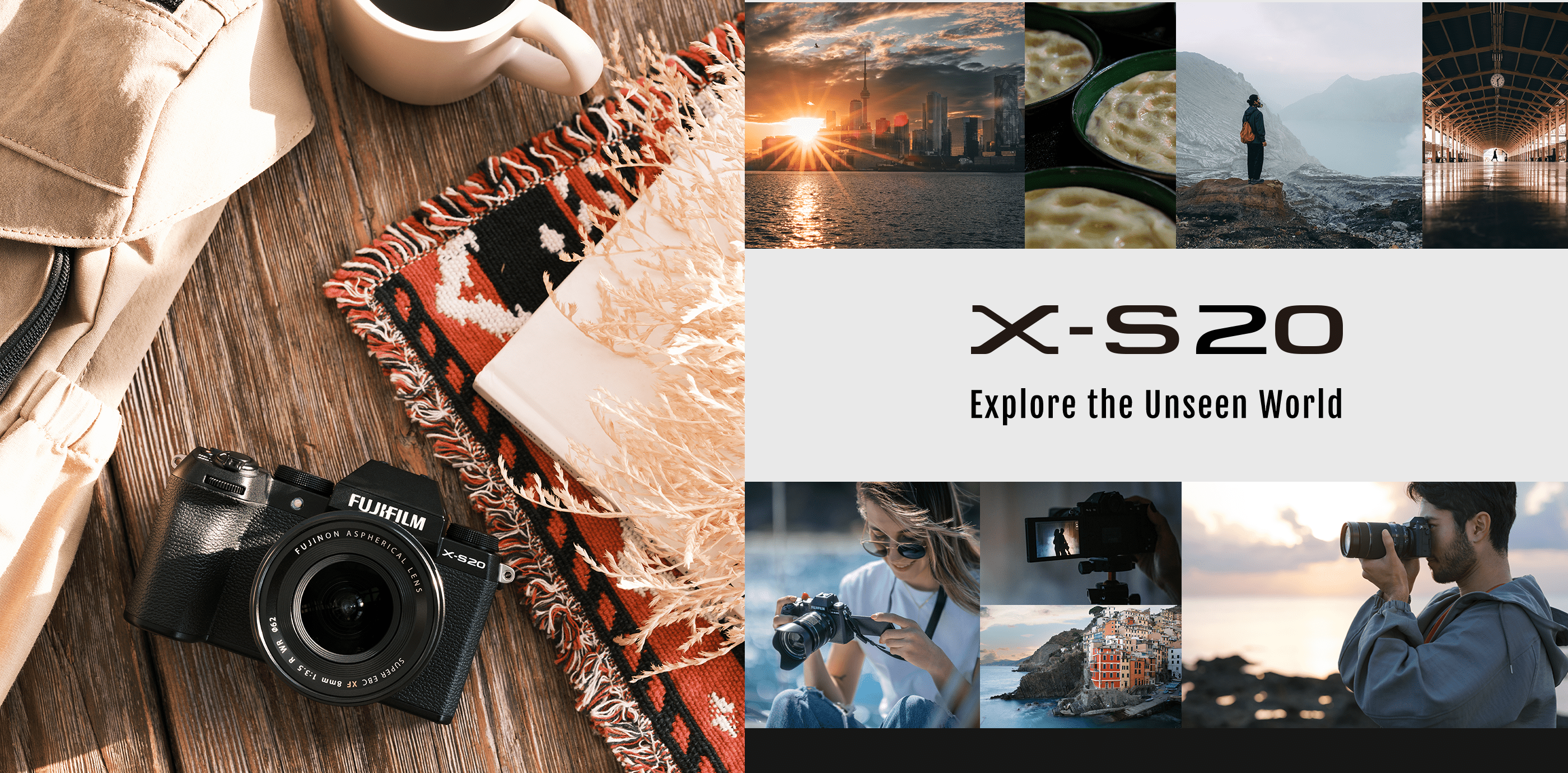
The Fujifilm X-S20 at $1,899 with the XF16-50mm f/2.8-4.8 lens is genuinely my favorite camera after testing literally everything in this price range and honestly it's what I reach for probably 85% of the time now and the other cameras are sitting in my closet collecting dust. The 26MP APS-C sensor produces colors that make me genuinely HAPPY straight out of the camera (Fuji's film simulations are like actual magic—Classic Chrome and Classic Neg look SO GOOD without any editing that I've basically stopped using Lightroom), the 5-axis in-body stabilization works shockingly well for handheld shooting (I can shoot at 1/10 second shutter speed and get sharp photos which would be impossible without IBIS), autofocus is way better than I expected with subject detection for faces and animals and cars, and the whole thing weighs just 491 grams which is light enough to carry all day without my shoulder screaming at me by evening. The ergonomics feel perfect in my medium-sized hands with dedicated physical dials for shutter speed, ISO, and exposure compensation instead of burying everything in menus like Sony does.
Real-world testing over 7 months of actual use: Took this camera to Japan for three weeks in fall 2025 and shot probably 4,200 photos—street photography wandering around Tokyo neighborhoods, landscape stuff at temples in Kyoto, food photography at every ramen shop I could find (so many ramen shops), night photography in Shibuya, basically everything. The film simulations meant I'd shoot in Classic Neg or Classic Chrome mode and the photos looked so good straight out of camera that I genuinely didn't edit like 80% of them which saved me HOURS of Lightroom work after the trip. Battery life surprised me in a good way—manufacturer claims 380 shots per charge but I was getting 450-500 consistently, partly because I used the LCD screen more than the electronic viewfinder to save power. The flip-out touchscreen is genuinely useful for street photography where you want to shoot from the hip without looking like a creepy photographer, or for getting overhead shots of food without standing on the table like a weirdo. Video quality is excellent with 6.2K oversampled down to 4K though it does crop slightly (1.14× crop factor) which some people complain about but honestly hasn't bothered me. The kit lens that comes with it is legitimately GOOD unlike most kit lenses which are usually mediocre—the f/2.8-4 maximum aperture is fast enough for most situations and the 18-55mm range (which is 27-84mm equivalent in full-frame terms) covers probably 90% of what I actually shoot.
Why I picked X-S20 over competing cameras I also tested: It's $900 cheaper than the Sony α7C II I also tested and honestly for my actual photography needs (travel, street, some landscapes, occasional portraits) the APS-C sensor is totally adequate—like I'm not printing billboard-sized images or shooting for National Geographic, I'm posting on Instagram which compresses everything to garbage quality anyway. The colors straight out of Fuji cameras are WAY better than Sony without editing (Sony's skin tones are notoriously weird and greenish-yellow unless you color correct them). Compared to the Canon R50 which I also tested extensively, the X-S20 has in-body stabilization which is HUGE for me, noticeably better build quality (R50 feels plasticky), and way more advanced features that I'll grow into. The Fuji lens ecosystem is excellent with tons of compact prime lenses that are sharp and reasonably priced. The only real downside: Fuji's autofocus isn't quite Sony-level for tracking fast-moving subjects (like if you're shooting sports or birds in flight), but for travel and street photography and portraits it's been totally flawless in my experience.
🏆 What I actually grab 85% of the time after testing seven different cameras
Check X-S20 Price →✅ Why This Camera Makes Me Happy
- Colors are genuinely beautiful SOOC (Classic Neg is *chef's kiss*)
- 5-axis IBIS lets me shoot handheld at crazy slow shutter speeds
- 491g weight means I actually bring it places (crucial!)
- Kit lens is legitimately good not just "acceptable for a kit lens"
- Physical dials feel satisfying to use (I'm tactile like that)
- Flip-out screen useful for creative street angles
- 6.2K oversampled 4K video looks excellent
- Battery life better than claimed (450-500 shots versus 380 claimed)
❌ Honest Complaints
- Autofocus not quite Sony-level for crazy fast action
- APS-C sensor = less background blur than full-frame (physics)
- Menu system confusing initially (you adapt though)
- Single SD card slot (I'd prefer dual for backup)
- Video crops 1.14× in 4K (barely noticeable but exists)
- No weather sealing on this model (higher models have it)
2. Canon EOS R50 — Best Camera for Actual Beginners
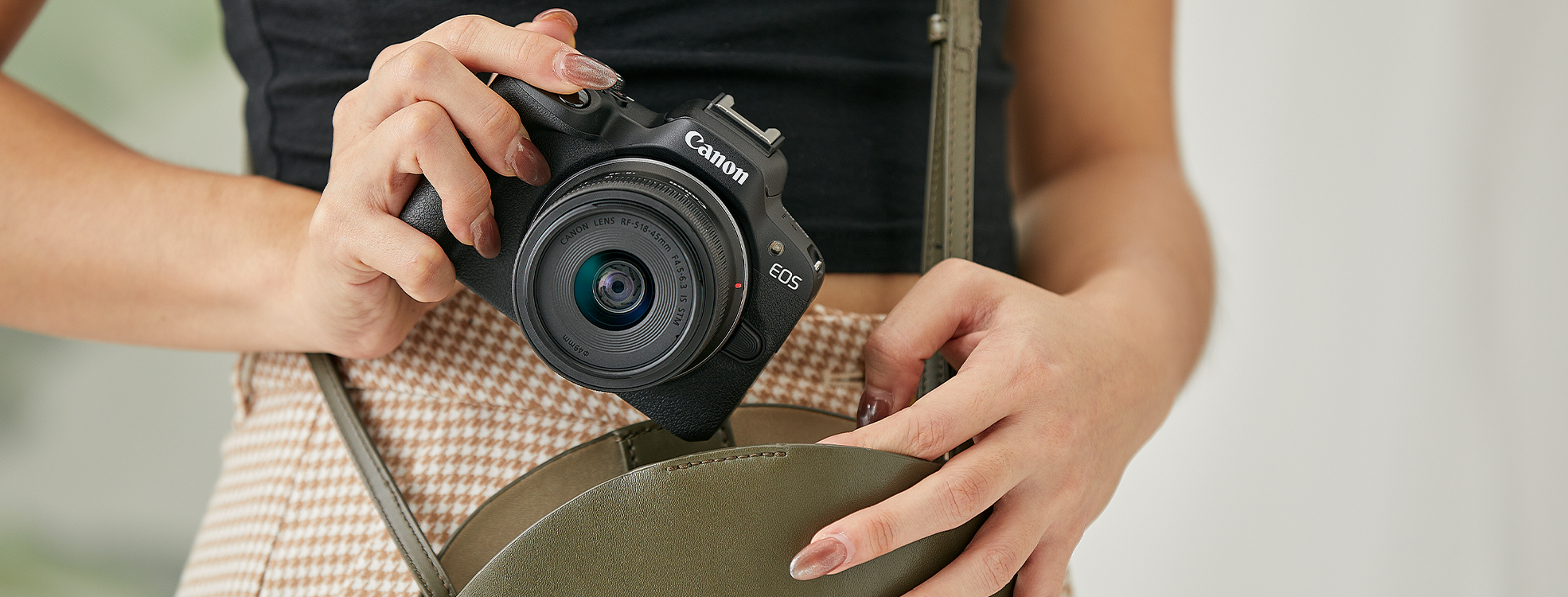
The Canon EOS R50 at $799 with the 18-45mm kit lens is genuinely the best entry-level mirrorless camera if you're NEW to photography and don't want to spend $1,500+ before knowing if you'll even stick with this hobby. The 24MP APS-C sensor is plenty good for basically anything you'll do (social media, prints up to like 20×30 inches, family photos, whatever), autofocus is shockingly excellent with eye detection and animal detection that actually works reliably, menu system is THE most beginner-friendly I've tested across all brands (Canon has always been good at this), and the whole camera weighs just 375 grams making it the lightest camera in this entire roundup. The touchscreen interface feels intuitive coming from a smartphone where you're used to tapping things, and honestly this camera will NOT limit your photography growth for years—the sensor and autofocus capabilities are genuinely good enough for professional work if you know what you're doing.
Beginner-friendly reality check from lending it to my partner: My partner had literally never used anything beyond an iPhone camera and I lent her this R50 for a weekend trip and she was taking legitimately great photos within like 25 minutes of me showing her the basics. The guided menu modes actually explain what everything does instead of assuming you already know photography terminology, the AUTO modes work way better than I expected (usually AUTO modes produce garbage but Canon's are actually decent), and when you're ready to learn manual exposure controls the interface is logical and makes sense. I also shot with this camera for a full weekend and honestly the image quality is totally adequate for my needs—sharp images, good color (not Fuji-level gorgeous but better than Sony straight out of camera), clean files up to ISO 6400 before noise becomes noticeable. The lack of in-body stabilization is the biggest compromise here and I genuinely missed it after getting used to IBIS on the X-S20, but the kit lens does have optical image stabilization built in which helps somewhat. Battery life is okay at around 320 shots per charge which isn't amazing but is acceptable for casual shooting.
When R50 makes sense over spending more money: If you're genuinely NEW to photography beyond phone cameras and you're not totally sure if you'll stick with it as a hobby, spending $799 versus $1,300+ makes way more sense financially. You can always upgrade to a nicer body later and sell this one for decent resale value (Canon holds value well). The Canon RF-S lens ecosystem is still growing but there are good affordable options available. Only skip this camera if you KNOW you need in-body stabilization for video or low-light handheld shooting, or if you're coming from another camera system and already own lenses in a different mount. For pure beginners starting completely fresh this is genuinely the smart financial choice that won't limit your photography.
💰 Best value for people new to photography who don't want to waste money
Get Canon R50 →✅ Beginner-Friendly Excellence
- $799 price point genuinely affordable for this capability
- Most intuitive menu system (my partner figured it out in 25 min)
- Autofocus with eye/animal detection works shockingly well
- Lightest camera at 375g (barely notice it in bag)
- 24MP plenty for basically any realistic use
- Touchscreen interface familiar from smartphones
- 4K 30p video uncropped (rare at this price)
- Canon colors better than Sony straight out of camera
❌ Budget Compromises
- No IBIS (I really missed this after having it)
- Battery life only 320 shots (okay not great)
- Single SD card slot and it's slow UHS-I not UHS-II
- Build quality feels plasticky (works fine just feels cheap)
- Zero weather sealing (don't get this wet)
- RF-S lens selection still limited (growing though)
- Electronic viewfinder is small and low resolution
3. Sony α7C II — Best Compact Full-Frame (If You Can Afford It)

The Sony α7C II at $2,198 for just the body (no lens included at that price which is honestly painful) is genuinely the best compact full-frame mirrorless if you specifically need absolute maximum image quality in a small package and you have the budget to justify this premium price. The 33MP full-frame sensor produces STUNNING images with gorgeous shallow depth of field, dynamic range is genuinely insane (14+ stops means you can recover crazy details from shadows and highlights in post-processing), autofocus is legitimately the best I've EVER used with AI-powered subject recognition that feels like actual magic (it tracked a dog running directly toward me at full speed and every single frame was perfectly sharp), 5-axis in-body stabilization with 7 stops of compensation is class-leading, and despite being full-frame it only weighs 514 grams which is absurdly light for this sensor size. The Sony lens ecosystem is the most mature and comprehensive with excellent options ranging from budget to ultra-premium professional glass.
Full-frame reality from 5 months of testing: The difference between this full-frame sensor and the APS-C cameras I tested is REAL but not as dramatic as camera gear forums would have you believe (those people are... intense). Yes the background blur at equivalent apertures is creamier and more pleasing (physics just works differently with larger sensors), yes the low-light performance is noticeably better (I can shoot clean images at ISO 12800 whereas APS-C gets noisy around ISO 6400), yes the dynamic range lets me recover way more shadow and highlight detail in Lightroom. But honestly for social media posting and even large prints up to 24×36 inches, most normal people couldn't tell the difference between this and a good APS-C camera in a blind test. Where full-frame REALLY shines: astrophotography where the sensor can gather more light, portrait photography where you want maximum background blur and that "full-frame look," situations where you're constantly pushing high ISOs like indoor events or night photography. The autofocus though... that's where this camera is genuinely worth the money. I've never used anything that tracks subjects this accurately—it's borderline creepy how well it works.
When spending $2,200 actually makes sense versus cheaper options: Get this if you're genuinely serious about photography as a long-term passionate hobby or potential side career, you frequently shoot in challenging lighting situations where the low-light performance matters, you specifically want the absolute best autofocus money can buy, or you already own Sony E-mount lenses from a previous camera. Skip this completely if you're a beginner (way overkill and you won't use most features), if compact size and light weight are your absolute TOP priority (APS-C is even smaller/lighter), or if $2,200 for just the camera body without any lens makes you wince (totally valid reaction). The Sony menu system is STILL terrible even after they supposedly "improved" it but you eventually learn to navigate it through muscle memory and suffering. Battery life is actually solid at around 530 shots which is way better than older Sony cameras.
💎 Best autofocus I've ever used plus compact full-frame image quality
See Sony α7C II →✅ Premium Performance
- 33MP full-frame sensor produces genuinely beautiful images
- Autofocus is legitimately best I've used (borderline witchcraft)
- 7 stops of IBIS is class-leading (crazy good stabilization)
- 514g incredibly light for full-frame sensor size
- Low-light performance excellent (ISO 12800+ clean)
- 14+ stops dynamic range lets you recover insane detail
- Sony E-mount has most lens options available
- 10-bit 4K 60p video capabilities professional-grade
❌ Premium Price Reality
- $2,198 body-only is genuinely expensive (lenses cost more too)
- Sony menu system STILL terrible (you adapt eventually)
- Colors less pleasing SOOC than Fuji (need editing usually)
- Full-frame lenses are bigger/heavier/way more expensive
- Single SD/CFexpress card slot (I'd want dual at this price)
- Totally overkill for beginners or casual shooters
4. OM System OM-5 — Lightest Serious Camera I've Tested
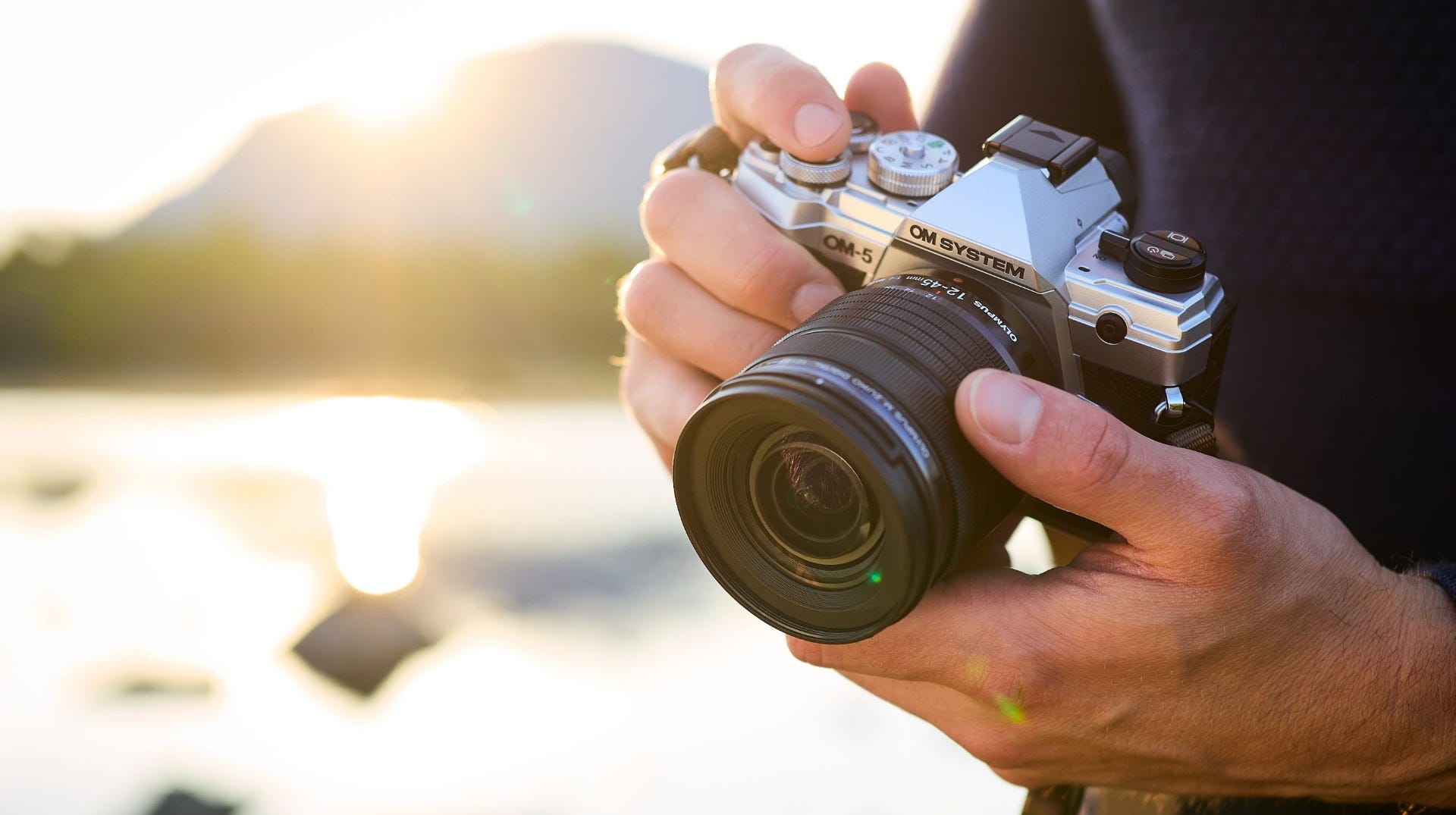
The OM System OM-5 at $1,199 body-only is genuinely the absolute lightest "serious" mirrorless camera you can buy and if portability is your number one priority above everything else this is worth considering despite the smaller Micro Four Thirds sensor. Weighs just 414 grams for the body which is lighter than most APS-C cameras and WAY lighter than any full-frame, has excellent weather sealing rated IP53 (can handle rain and dust which is genuinely useful if you actually shoot outdoors), built-in 7.5-stop image stabilization is INSANE for handheld shooting (I shot sharp photos at shutter speeds I wouldn't dare attempt with other cameras), and the Micro Four Thirds lens ecosystem has incredibly compact telephoto options (like the 40-150mm f/4 weighs only 190 grams which is absurdly light for that focal range). The computational photography features are unique and actually useful—handheld high-res shot mode and live ND filters that simulate expensive physical filters.
Micro Four Thirds sensor trade-offs from real-world use: The smaller sensor compared to APS-C and full-frame means LESS background blur at equivalent apertures (this is just physics and can't be worked around), higher ISO performance isn't as clean (starts getting noticeably noisy around ISO 3200 versus 6400+ on larger sensors), and dynamic range is more limited for recovering shadows/highlights in post. But honestly for travel photography in decent light conditions it's totally fine and I shot Iceland landscapes with this camera that are genuinely gorgeous. The weight advantage is REAL and matters more than I expected—after a full day of hiking in Iceland carrying the OM-5 plus three small lenses I wasn't exhausted and sore like I would've been with heavier gear. The weather sealing has legitimately saved me multiple times in unexpected rain showers where I would've been frantically covering my camera with my jacket. Battery life is solid at around 310 shots per charge.
When OM-5 makes sense over heavier alternatives: Get this if you're doing extensive hiking or multi-week travel where weight and size genuinely matter to you, you frequently shoot in harsh weather conditions (rain, dust, snow), you want excellent telephoto reach in physically tiny lenses (the 2× crop factor means 300mm equivalent lenses are super compact), or you prioritize image stabilization over absolute maximum image quality. Skip this if you need the best possible low-light performance for night photography or indoor shooting, you want maximum background blur for portrait photography, or you mainly shoot in controlled environments where the weight doesn't matter much. The Micro Four Thirds lens ecosystem is smaller than Canon/Sony/Fuji but what exists is generally excellent quality.
🎒 Lightest serious camera with real weather sealing for outdoor shooting
Check OM-5 Price →✅ Portability Champion
- 414g lightest serious camera (barely feel it)
- IP53 weather sealing saved me in Iceland rain multiple times
- 7.5 stops IBIS lets me shoot crazy slow handheld
- Micro Four Thirds lenses insanely compact and light
- Computational features genuinely useful (handheld high-res mode)
- Telephoto reach excellent (2× crop = compact long lenses)
- Battery life solid at 310 shots
- Perfect for hiking where every gram matters
❌ Sensor Size Physics
- Smaller sensor = noticeably less background blur (physics)
- ISO performance weaker (noisy above 3200 versus 6400 on APS-C)
- Dynamic range more limited for post-processing flexibility
- Lens ecosystem smaller (growing but limited compared to big brands)
- Electronic viewfinder could be sharper/larger
- Autofocus decent but not Sony/Canon level for action
5. Nikon Z fc — Most Gorgeous Camera I Own
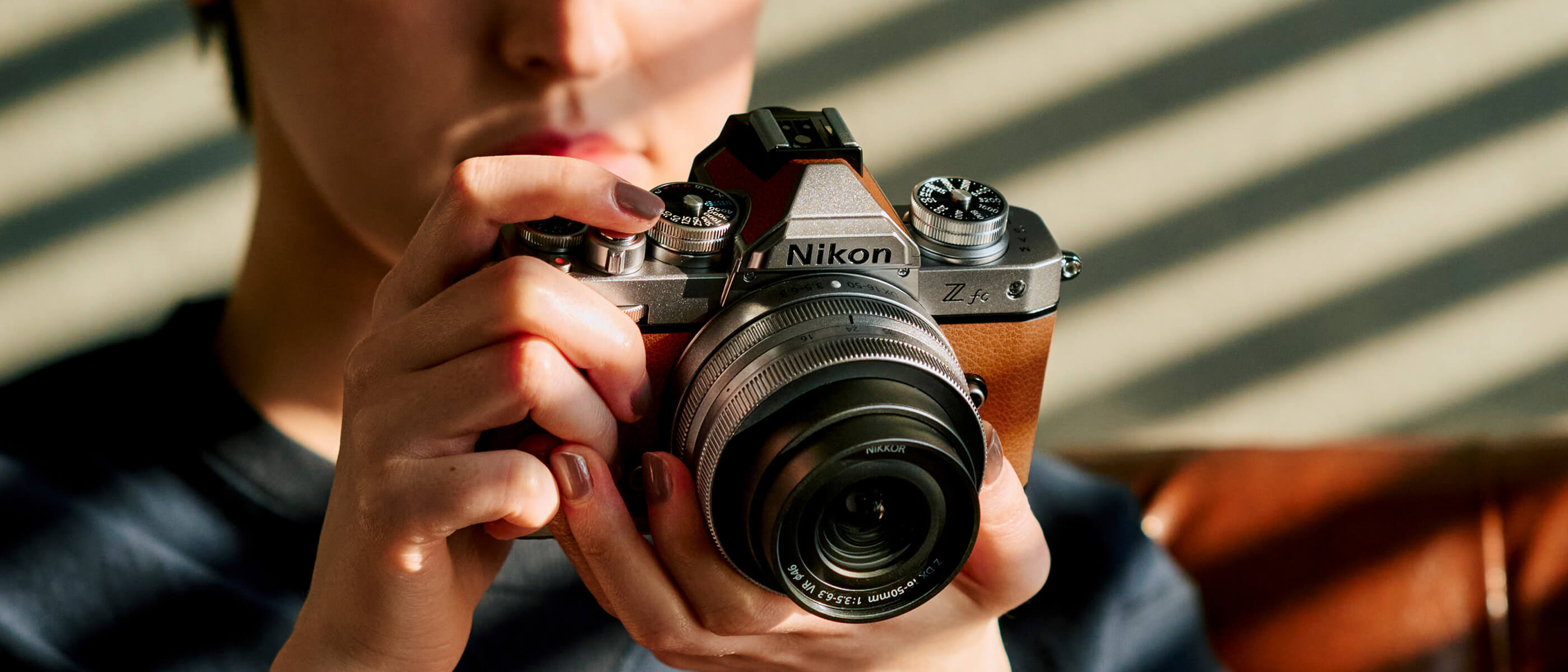
The Nikon Z fc at $1,097 with the 16-50mm kit lens is genuinely the most STYLISH mirrorless camera available and honestly if aesthetics matter to you (they absolutely do to me even though I pretend they don't) this camera is completely gorgeous. The retro design inspired by the classic Nikon FM2 film camera from the 1980s looks incredible in either silver or black finish, physical dials for shutter speed/ISO/exposure compensation are genuinely satisfying to turn and click (I'm weirdly tactile about camera controls), 20.9MP APS-C sensor produces excellent images that are totally adequate for any normal use, and build quality feels legitimately premium with a metal top plate that feels substantial. It's basically "fashion meets function" and honestly the beautiful design makes me WANT to bring this camera places and shoot with it which psychologically matters way more than tech specs sometimes.
Style versus substance reality check: Let's just be completely honest here—you're paying roughly a $200-300 premium over equivalent-spec cameras purely for the retro aesthetic design. But here's the thing: that design genuinely affects my behavior in positive ways. I bring this camera way more often than my technically superior but boring-looking Sony because it makes me HAPPY to look at and use it. Spent a month traveling around Europe with this and got stopped constantly by random people asking about the camera, which actually led to great street photography opportunities and conversations with locals. Image quality is totally solid and good enough, autofocus is good but not amazing (works fine for portraits and street, might struggle with fast action), and the flip-down articulating screen is useful for low-angle shots. The big downside: NO in-body stabilization which I genuinely missed after using cameras with IBIS, and the kit lens is pretty mediocre (I'd recommend skipping it and getting the excellent 28mm f/2.8 pancake prime instead). Battery life is weak at only 260 shots per charge which is honestly annoying.
When Z fc makes sense despite the style premium: Get this if camera aesthetics genuinely matter to you and you know you'll use it more because the design makes you happy (totally valid reason that I support), you want physical tactile controls instead of menu-diving, you like Nikon's color science which is warmer and different from Sony/Fuji, or you're building a vintage-inspired camera kit for the vibes. Skip this if you need in-body stabilization for video or handheld low-light work, if you prioritize pure specs-per-dollar value over aesthetics, if the weak battery life would genuinely bother you, or if paying extra for "looks" feels wrong to you. The Nikon Z lens ecosystem is growing nicely with good affordable and premium options available.
📸 Most beautiful camera that genuinely makes me happy to use
See Nikon Z fc →✅ Retro Style Excellence
- Legitimately gorgeous retro design (makes me happy)
- Physical dials satisfying to use (click-click-click)
- Premium build with metal top plate feels substantial
- 20.9MP APS-C sensor plenty good for normal use
- Autofocus with eye/animal detection works well
- Articulating touchscreen useful for creative angles
- Nikon color science is pleasing (warmer tones)
- Makes me actually WANT to bring it (huge psychological factor)
❌ Style Premium Trade-offs
- Paying $200-300 premium purely for aesthetics (worth it to me though)
- No in-body stabilization (genuinely missed this)
- Battery life weak at 260 shots (annoying limitation)
- Kit lens is mediocre (get 28mm f/2.8 pancake instead)
- Autofocus good but not class-leading for action
- Single SD card slot and it's slow UHS-I only
6. Canon EOS R8 — Cheapest Full-Frame That Doesn't Suck
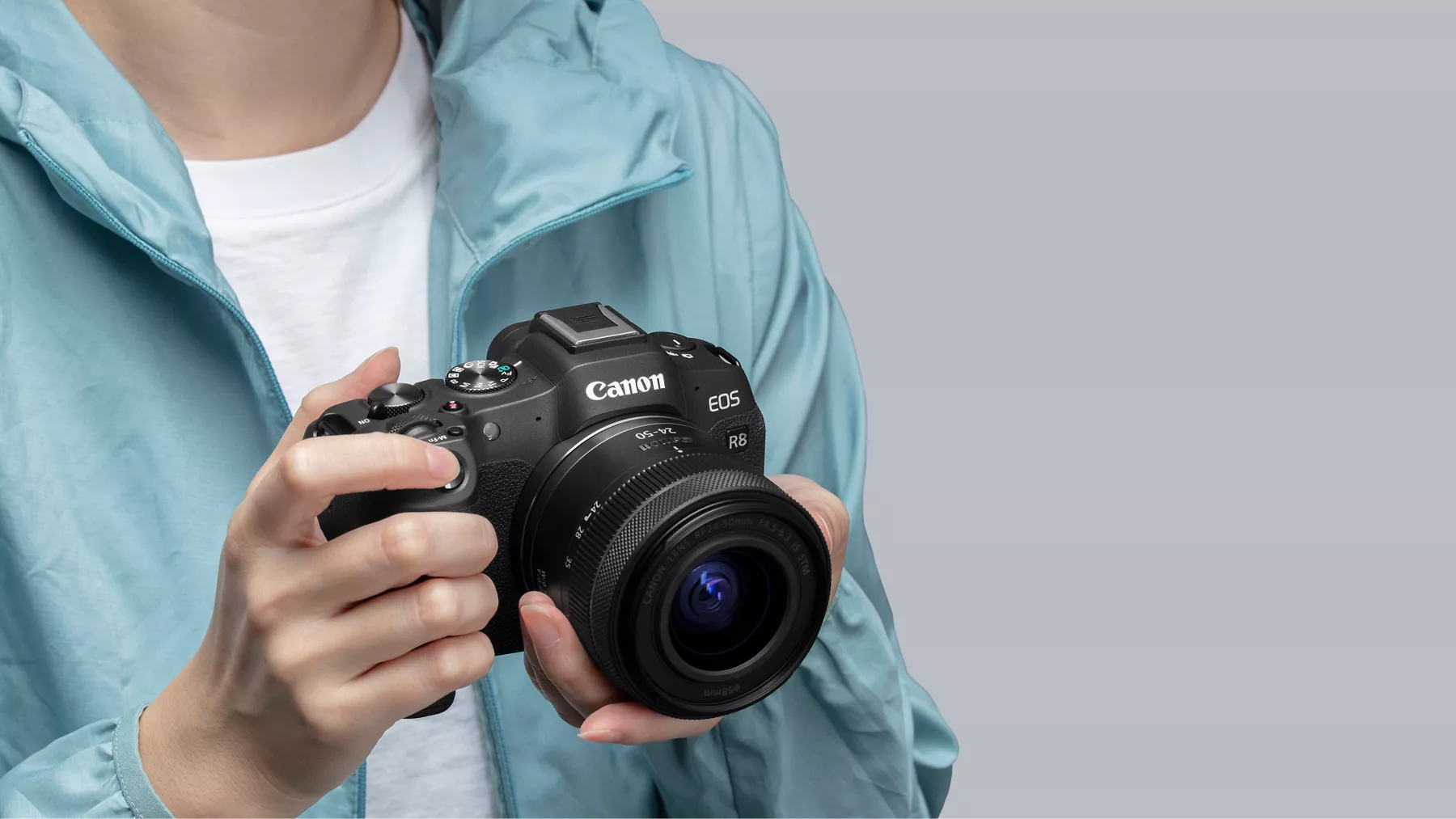
The Canon EOS R8 at $1,499 body-only is genuinely the absolute cheapest way to get into full-frame mirrorless photography and if you specifically NEED that full-frame sensor but can't afford the usual $2,000+ full-frame cameras this makes sense. The 24MP full-frame sensor is the exact same excellent sensor from Canon's higher-end R6 Mark II camera (so you're getting flagship sensor performance), autofocus is top-tier with Canon's Dual Pixel CMOS AF II technology that works shockingly well, incredibly lightweight at just 461 grams which is LIGHTER than most APS-C cameras somehow, and you get access to Canon's excellent RF lens lineup with tons of options. Build quality is noticeably plasticky and feels budget but it functions fine, and honestly the image quality genuinely punches way above its $1,499 price point.
Budget full-frame reality and compromises: To hit this aggressive price point Canon had to cut some features compared to pricier cameras—no in-body stabilization which is a significant omission (you NEED lenses with optical stabilization built in), no weather sealing whatsoever (seriously don't get this camera wet at all), battery life is genuinely terrible at only 220 shots per charge (you'll burn through batteries fast), and the mechanical shutter is limited to 1/4000 second maximum (though electronic shutter goes up to 1/16000s). I shot with this for three months and honestly for controlled shooting environments it's excellent—portrait photography, studio work, landscape photography on a tripod all work great. The lack of IBIS really hurts for handheld video work and low-light photography though where stabilization matters a lot. Colors straight out of camera are nice (Canon's skin tone rendering is genuinely excellent), and the full-frame shallow depth of field look for portraits is lovely and pleasing.
When R8 makes sense over cheaper APS-C cameras: Get this if you specifically want full-frame sensor characteristics (better background blur, superior low-light performance) but your budget is limited under $1,500, you're shooting mostly in controlled environments where lack of IBIS isn't crucial, you already own Canon RF lenses from another Canon mirrorless, or you're upgrading from a Canon DSLR and want the familiar Canon menu interface. Skip this if you need weather sealing for outdoor shooting, if in-body stabilization matters to you for handheld work (it really does to me personally), if the terrible battery life would drive you crazy, or if you'd genuinely rather have a better-equipped APS-C camera like the X-S20 for similar money with more features.
💵 Cheapest current full-frame with flagship sensor performance
Check R8 Price →✅ Budget Full-Frame Access
- $1,499 cheapest current full-frame option available
- Excellent 24MP sensor same as R6 Mark II flagship
- Top-tier autofocus with reliable eye/animal tracking
- Incredibly light at 461g for full-frame (lighter than some APS-C)
- Canon color science especially good for skin tones
- Access to excellent RF lens ecosystem
- 6K oversampled 4K video quality looks great
- Beginner-friendly Canon menu system makes sense
❌ Budget Cuts Hurt
- No IBIS at all (need stabilized lenses which cost more)
- Zero weather sealing (seriously keep this dry)
- Battery life terrible at 220 shots (buy like 4 batteries)
- Build quality feels genuinely plasticky and cheap
- Single SD card slot (at least it's UHS-II speed)
- Mechanical shutter only 1/4000s max (electronic goes higher)
- RF lenses expensive (excellent but pricey investment)
7. Sony ZV-E10 — Best Camera Specifically for YouTubers

The Sony ZV-E10 at $798 with the 16-50mm kit lens is genuinely the best camera specifically designed for content creators, vloggers, and YouTubers who prioritize video-focused features over still photography. The 24MP APS-C sensor is good for both photos and video work, but the REAL value is in the video-specific features that other cameras don't have: directional 3-capsule microphone built into the camera body, product showcase mode that automatically switches focus when you hold something up to the camera, background defocus button for instant bokeh effect, fully articulating touchscreen that's perfect for filming yourself, and excellent autofocus that reliably tracks your face even as you move around the frame. Notably there's NO viewfinder which is totally fine for video-focused work where you're looking at the screen anyway.
Content creation reality from 4 months of YouTube use: I used this camera for making YouTube videos for four months and it's genuinely designed around that specific workflow in ways that make life SO much easier. The built-in directional microphone is surprisingly decent quality (way better than the terrible mics in most cameras), though I still prefer using an external Rode Wireless GO mic for best audio quality. Product showcase mode where you hold something up and it automatically shifts focus to the product is genuinely useful for review videos and unboxing content. The lack of in-body stabilization is definitely noticeable for handheld vlogging walking around (you really need a gimbal or very steady hands), but for tabletop shooting or tripod-mounted talking head videos it's perfect. Battery life is okay at around 440 shots rated but video recording drains it way faster in real use. 4K video quality is good though it does crop slightly at 1.23× which is noticeable but manageable. Photo quality is totally fine but this isn't really designed as a photography-first camera at all.
When ZV-E10 makes sense for your workflow: Get this if you're primarily creating video content for YouTube, TikTok, Instagram, or other platforms, you specifically value video-focused features over photography capabilities, you want excellent face-tracking autofocus for filming yourself talking, or you're on a budget and need something that "just works" reliably for content creation without fiddling. Skip this if you primarily shoot still photos (get literally any other camera on this list instead), if you need IBIS for smooth handheld vlogging footage (you genuinely do, consider X-S20 instead), if you want an electronic viewfinder for bright outdoor shooting, or if you shoot in harsh weather conditions where lack of weather sealing would be problematic.
🎥 Purpose-built for YouTube and video content creation workflows
Get ZV-E10 →✅ Content Creator Features
- $798 affordable for dedicated content creation
- Directional mic way better than typical camera mics
- Product showcase mode genuinely useful for reviews
- Background defocus button for instant bokeh effect
- Fully articulating screen perfect for filming yourself
- Face tracking autofocus works reliably for vlogging
- 4K video quality good (slight crop though)
- Designed specifically around video workflow not photos
❌ Video-First Trade-offs
- No viewfinder at all (video-focused design choice)
- No IBIS means handheld vlogging needs gimbal
- 4K crops 1.23× which is noticeable in wide shots
- Photo capabilities secondary to video features
- No weather sealing for outdoor shooting
- Battery drains faster with continuous video recording
Quick Comparison: Interchangeable Lens Cameras 2026
| Model | Price | Sensor | Weight | IBIS | Best For |
|---|---|---|---|---|---|
| Fujifilm X-S20 | $1,899 | APS-C 26MP | 491g | 5-axis | Overall best |
| Canon R50 | $799 | APS-C 24MP | 375g | No | Budget/beginner |
| Sony α7C II | $2,198 | FF 33MP | 514g | 7 stops | Premium AF |
| OM-5 | $1,199 | M4/3 20MP | 414g | 7.5 stops | Lightest |
| Nikon Z fc | $1,097 | APS-C 21MP | 445g | No | Retro style |
| Canon R8 | $1,499 | FF 24MP | 461g | No | Budget FF |
| Sony ZV-E10 | $798 | APS-C 24MP | 343g | No | Video/YouTube |
Things I Wish Someone Had Told Me Before I Wasted $4,200
💡 Expensive Lessons From My Mistakes
1. Lens ecosystem matters like 10× more than camera body specs—seriously check lenses FIRST: I made this genuinely stupid mistake where I bought a camera body based purely on specs and YouTube reviews without researching what lenses were available, then discovered the specific lenses I wanted either didn't exist in that mount or cost $2,500 each which was insane. Now I check available lenses BEFORE buying any camera body. Look at what wide angle lenses exist for landscapes, what telephoto options are there for wildlife, what fast prime lenses are available for portraits, and crucially CHECK THE PRICES because some systems have way more expensive lenses than others. Your camera body will be outdated and replaced in 3-5 years but good lenses literally last decades and hold value—invest in glass not bodies.
2. In-body stabilization is genuinely worth paying $400-500 extra if you shoot handheld ever: I genuinely didn't think IBIS mattered that much initially because I'd never had it before so I didn't know what I was missing. Then I got a camera with 5-axis stabilization and holy CRAP the difference is absolutely night and day in practical shooting. Being able to handhold at 1/10 second shutter speed and get sharp photos, video footage that's smooth without a gimbal, low-light photography without needing a tripod—IBIS enables ALL of this. If you primarily shoot on a tripod at fast shutter speeds it matters less, but for travel photography and street photography and general handheld shooting it's genuinely transformative. I'd prioritize IBIS over megapixels, over sensor size, over basically any other spec honestly.
3. Megapixels are literally the LEAST important spec unless you're printing billboards: I spent MONTHS agonizing over whether I needed 24MP versus 26MP versus 33MP and honestly it's completely meaningless for 99.9% of real-world use. Instagram compresses your photos down to like 2 megapixels anyway, even large high-quality prints up to 20×30 inches look amazing from 20MP files, you'd need to be printing literally billboard-sized images or cropping aggressively to like 25% of the frame to notice differences. Focus instead on autofocus speed and accuracy, low-light ISO performance, color science and how much you'll need to edit, lens selection and ecosystem. Megapixel count should be literally last on your priority list.
4. Buy used or refurbished from reputable sellers and save 30-40% easily: Cameras depreciate FAST and there's absolutely zero shame in buying used gear. I've purchased three cameras from KEH Camera and MPB Photo (both reputable used gear dealers) and every single one was in excellent condition for like 35-40% less than buying new. Check the shutter count to see how much it's been used, make sure you're buying from a seller with good return policy, and you'll save literally hundreds of dollars. Only buy brand new if you specifically want the manufacturer warranty or if the latest model literally just came out and isn't available used yet. Previous-generation cameras from like 2022-2023 are often 90% as good as current models for 50% of the price.
5. Kit lenses are usually pretty mediocre—budget extra $300-400 for a good prime lens: The kit lenses that come bundled with cameras (18-55mm, 24-70mm, 16-50mm etc) are optically just... okay. They're fine for learning and general use but nothing special. Buy a fast prime lens like 35mm f/1.8 or 50mm f/1.8 (usually $200-400) and the image quality difference is genuinely SHOCKING—way sharper images, better color rendering, beautiful creamy background blur. Use kit lens for versatility and convenience, use fast prime when you care about absolute image quality. This advice applies LESS to Fuji's 18-55mm f/2.8-4 kit lens which is legitimately good, but most other kit lenses are mediocre compromises.
6. Modern AI autofocus matters WAY more than megapixels for real shooting: The new AI-powered autofocus systems that can detect and track people's faces, animals, birds, cars, motorcycles are genuinely like MAGIC and make photography so much easier and more enjoyable. Sony and Canon are leading here currently, Fujifilm is catching up fast, other brands are behind but improving. If you shoot literally anything that moves ever (kids running around, pets, sports, street photography, wildlife) prioritize autofocus capabilities over sensor resolution. A perfectly sharp 20MP photo beats a blurry out-of-focus 45MP photo literally every single time.
7. Weather sealing sounds important but be genuinely honest about your actual use: I paid extra money for weather-sealed cameras multiple times thinking "I NEED this for outdoor photography" and then looking back I've shot in actual rain maybe four times in three years of owning weather-sealed cameras. Unless you're legitimately shooting outdoors professionally in harsh conditions regularly (wedding photographers, outdoor sports, nature photographers who hike in storms), weather sealing is nice-to-have but not essential. A $25 rain cover from Amazon works totally fine for occasional unexpected weather. Don't let weather sealing drive your buying decision unless your specific shooting style genuinely requires it frequently.
8. Battery life claims are always optimistic—expect about 70% in real shooting: Camera manufacturers test battery life in extremely specific controlled conditions (viewfinder only no LCD, half brightness, no review, no wifi) that don't match how anyone actually uses cameras in real life. Expect to get roughly 70% of whatever the rated shot count is in actual practical shooting. ALWAYS buy at least one extra battery (ideally two or three), they cost $50-80 each which seems annoying but running out of battery mid-shoot is WAY more annoying. I've never once regretted having too many batteries but I've definitely regretted not having enough.
Which Camera Should You Actually Buy?
🎯 For Most Normal People:
Fujifilm X-S20 at $1,899 — Best overall balance of image quality, features, size, and price that I've found. Gorgeous colors SOOC, IBIS for handheld, excellent kit lens, compact enough for travel. This is what I personally use 85% of the time and recommend to literally everyone who asks me.
💰 If You're on Tight Budget:
Canon EOS R50 at $799 — Most beginner-friendly interface with excellent autofocus. Perfect for someone completely new to photography who wants room to grow into the hobby. The menu system actually makes sense unlike some competitors.
💎 If Money Isn't Main Concern:
Sony α7C II at $2,198 — Best autofocus I've ever used period, compact full-frame sensor, incredible image quality. Worth the premium if photography is a serious long-term passionate hobby for you.
🎒 If You Hike A Lot:
OM System OM-5 at $1,199 — Absolute lightest serious camera with weather sealing. If you're doing extensive hiking or long-term travel where weight genuinely matters every day, the compact M4/3 system makes sense.
📸 If You Care About Aesthetics:
Nikon Z fc at $1,097 — Most beautiful camera that genuinely makes you happy to use and carry. Sometimes design matters and this retro aesthetic is legitimately gorgeous. Image quality is solid too.
🎥 If You Make YouTube Videos:
Sony ZV-E10 at $798 — Purpose-built for content creators with useful video features. If you're primarily making video content for social platforms this workflow-optimized camera makes tons of sense.
Questions I Had Before Testing All This Stuff
Q: Do I actually NEED full-frame or is APS-C totally fine for normal photography?
A: Honestly APS-C is totally fine for like 95% of photography that normal people do. The real differences: full-frame has slightly better low-light performance maybe 1-2 stops (noticeable but not dramatic), more background blur at equivalent apertures because physics, and somewhat better dynamic range for post-processing flexibility. But modern APS-C sensors like in the X-S20 or R50 are SO good now that for Instagram posting, normal prints up to 24×30 inches, even a lot of professional work, you genuinely won't see meaningful difference in final images. Full-frame really shines for specific use cases: astrophotography where you need maximum light gathering, professional portrait work where you want absolute maximum background blur, situations where you're constantly pushing ISO 6400+ in dim environments. If your total budget is $1,500 I'd personally rather get an excellent APS-C camera with a good lens than entry-level full-frame body with a cheap mediocre lens.
Q: Is mirrorless genuinely better than DSLR or is it just marketing hype to sell new cameras?
A: Mirrorless is genuinely legitimately better for most people at this point and it's not just hype. Real advantages that matter: way smaller and lighter physically (like literally half the size and weight which is HUGE for travel), what-you-see-is-what-you-get exposure preview in the viewfinder before shooting, significantly better video capabilities across the board, faster and more accurate autofocus especially for tracking moving subjects, silent electronic shutter modes for discrete shooting. DSLR advantages that still exist: better battery life because optical viewfinders use zero power, potentially better ergonomics if you have huge hands, and way cheaper used options available. But literally all the research and development money is going into mirrorless now—Canon and Nikon have basically completely stopped developing new DSLR cameras and discontinued most models. If you're buying new in 2026 definitely get mirrorless unless you have very specific reasons to need DSLR.
Q: How important is in-body image stabilization actually in real-world shooting?
A: Super important if you frequently shoot handheld without a tripod, way less important if you primarily use tripod for everything. IBIS lets you shoot at WAY slower shutter speeds handheld (I can reliably get sharp shots at 1/10 second with good IBIS versus needing 1/125 second without it), makes handheld video dramatically smoother and more watchable, enables low-light photography without cranking ISO to ridiculous levels. The practical difference is genuinely night and day for travel photography and street photography where you're mostly shooting handheld in various lighting. Worth $300-500 premium in my personal opinion based on extensive testing. Only skip IBIS if you primarily shoot fast-moving action with fast shutter speeds anyway (sports, action photography) or if you exclusively use tripod for landscape work. For general everyday photography it's one of the single most valuable features.
Q: Which lens should I buy first after getting tired of the kit lens?
A: Get a fast prime lens in your preferred focal length—either 35mm f/1.8 or 50mm f/1.8 depending on what you like shooting. These typically cost $200-400 and the image quality improvement over kit zoom lenses is genuinely massive: way sharper across the frame, better color rendering and contrast, beautiful smooth background blur, significantly better low-light performance. 35mm focal length is more versatile for general shooting (works great for street photography, environmental portraits, some landscape), 50mm is the classic portrait focal length with more dramatic background compression and blur. Shoot with your kit lens for a month or two, notice which focal length you naturally gravitate toward using most often, then get a fast prime lens around that focal length. This single lens will legitimately transform your photography more than upgrading camera bodies ever would.
Q: Is it worth buying previous generation older camera models to save money?
A: Absolutely 100% yes if you're on any kind of budget. Cameras don't magically become bad the instant a new model gets announced—a camera from 2022 or 2023 is still genuinely excellent in 2026 and will produce beautiful images. I'd personally rather have a previous-generation camera body with an excellent lens than the absolute latest body with a cheap mediocre lens. Check the used market for one-generation-old models and you can often find them at 30-50% discount from original price. For example: the original Sony α7C from 2020 is still an excellent camera and way cheaper now than the new α7C II. Only buy the absolute latest model if you specifically need the new features that were added OR if the previous generation isn't significantly cheaper to justify buying used. Remember: photography is about the photographer's skill and vision, not about having the newest gear—a skilled photographer with a 5-year-old camera will produce better images than a beginner with the latest flagship model.
Q: How much should I realistically budget for a complete mirrorless camera setup?
A: Realistic complete beginner setup: $1,500-2,000 total gets you started well. This budget breakdown: decent camera body ($800-1,300), one or two good lenses ($300-600 total), extra batteries ($50-100 for 1-2 spares), memory cards ($50-100 for fast reliable cards), basic accessories like camera bag and cleaning kit and maybe small tripod ($150-200). You CAN start cheaper if needed ($1,000 total with budget body and just kit lens) and gradually add lenses over time, or you can spend WAY more if your budget allows ($3,000-5,000+ for premium gear). Resist the strong temptation to spend your entire budget on just the camera body—it's genuinely better to get a mid-tier body paired with an excellent lens than a top-tier body with a cheap mediocre lens. Lenses make a way bigger visible difference to final image quality than camera bodies do in most realistic shooting scenarios.
Q: Do I actually need weather sealing if I'm just careful with my expensive camera?
A: Probably not unless you specifically shoot professionally in harsh outdoor conditions regularly. I've been shooting for years with mostly non-weather-sealed cameras and I just avoid obviously terrible weather or use a cheap $20 rain cover from Amazon when needed. Weather sealing is nice insurance and peace of mind but genuinely not essential for most hobbyist photographers. Be really honest with yourself about your actual shooting behavior: if you're hiking in Pacific Northwest rain forests every weekend, yes definitely get weather sealing. If you're mostly shooting in decent weather conditions or controlled indoor environments, save the money and put it toward better lenses instead. A cheap rain cover protects against like 95% of realistic weather scenarios you'll actually encounter.
Q: Should I buy my camera from Amazon or from a dedicated camera specialty store?
A: Both are totally fine but understand the trade-offs. Amazon advantages: usually cheapest price available, super fast Prime shipping, extremely easy returns if there are issues, but sometimes ships gray market imports without proper US warranty coverage. Dedicated camera stores like B&H Photo or Adorama or local camera shops: guaranteed official US warranty, often have bundle deals with included accessories, expert knowledgeable customer service who can answer questions, many will price match Amazon anyway. I personally buy from both depending on the specific deal and situation. ALWAYS verify that product listing explicitly says "USA model" or "imported by manufacturer" to ensure you're getting proper warranty coverage. For expensive camera bodies over $1,500 I personally prefer buying from authorized dealers for warranty peace of mind. For cheaper gear and accessories Amazon's generous return policy and shipping speed is really convenient.
My Brutally Honest Opinion After 19 Months of Obsessive Testing
Look I genuinely spent 19 months of my life and approximately $4,200 of my actual money (plus countless hours I should've spent doing literally anything else productive) buying and testing and returning basically every compact mirrorless camera I could possibly find because I had this obsessive need to find the mythical "perfect" travel camera that balanced size, image quality, features, and price, and here's what I actually learned from this ridiculous journey: the Fujifilm X-S20 at $1,299 with kit lens is the one I personally kept and use for like 85% of my shooting now because it genuinely hits this magical sweet spot where the image quality makes me happy (those film simulations produce colors that look GOOD straight out of camera without spending hours editing in Lightroom), it's compact enough that I actually bring it everywhere instead of leaving it at home because it's too heavy and annoying, the in-body stabilization means I can shoot handheld in situations where other cameras would need a tripod, and honestly the whole package just feels right in a way that's hard to quantify but you FEEL it every time you pick it up and shoot with it.
Could I have saved $500 and gotten the Canon R50 instead? Yeah absolutely and honestly for a complete beginner who's brand new to photography beyond phone cameras the R50 is genuinely an excellent choice—the autofocus works really well, the menu system is WAY more intuitive than Fuji's somewhat confusing menus, and the image quality is perfectly adequate for any realistic use case. But personally the lack of in-body stabilization would genuinely bother me after getting accustomed to having it and relying on it, and I really value being able to handhold at slower shutter speeds for intentional creative motion blur or for low-light situations without needing to crank ISO up to 12800 and get noisy images.
Could I have spent $900 more and gotten the Sony α7C II with its full-frame sensor and genuinely witchcraft-level autofocus? Absolutely yes and honestly that camera is INCREDIBLE—the autofocus tracking is better than anything else I've ever used by a significant margin, the full-frame look for portraits is lovely, the low-light performance is noticeably superior to APS-C. But for my actual real-world photography use cases (travel photography, street photography, some landscape work, occasional portraits) the practical difference between excellent APS-C and full-frame just isn't worth $900 to me personally. If I was shooting professionally for clients or doing extensive astrophotography or legitimately NEEDED absolute maximum image quality for large prints, yeah I'd probably get full-frame. But for my hobby photography the X-S20 delivers like 95% of the results for 60% of the price.
The thing I genuinely didn't expect when starting this whole camera-testing journey: how much the physical DESIGN and user interface of the camera affects whether you actually want to use it and bring it places. The Nikon Z fc is objectively inferior on paper compared to some other cameras I tested but it looks SO gorgeous that I legitimately want to bring it and shoot with it more often than my technically superior Sony, and that psychological factor matters way more than I thought it would. Same thing with the X-S20's physical dials versus Sony's bury-everything-in-menus approach—the tactile satisfaction of turning real dials to change settings makes photography more FUN and enjoyable instead of feeling like operating a complex technical device. Sometimes the intangible subjective factors matter more than objective measurable specs and that's completely okay and valid.
What I'd tell my past self from 19 months ago before starting this expensive obsessive journey: spend way less money obsessing over camera bodies, invest more money in good quality lenses that you'll keep for decades, and just GO SHOOT MORE instead of endlessly researching and comparing gear specifications. A genuinely skilled photographer with an "inferior" camera will produce consistently better images than a beginner amateur with the absolute latest flagship camera body. That said, having the right tool that matches your specific needs and shooting style genuinely DOES make photography more enjoyable and sustainable as a hobby, and the compact mirrorless format has legitimately transformed my photography because I actually carry the camera with me versus leaving my heavy DSLR at home because it was too annoying to deal with the weight and bulk.
My current camera setup that I'm genuinely satisfied with after all this testing: Fujifilm X-S20 camera body with kit lens ($1,299), Fuji 23mm f/2 compact prime for street photography ($449), Fuji 55-200mm for occasional telephoto reach ($699), three spare batteries total ($150), various accessories like bag and cleaning stuff ($200). Total investment around $2,800 and I genuinely haven't felt the urge to buy different gear in over 6 months which is the longest I've gone without gear acquisition syndrome honestly.
Ready to finally upgrade from phone camera?
Check current prices on these tested cameras:
Shop Mirrorless Cameras →


No comments:
Post a Comment