The 4K Dash Cams That Actually Protect You From Insurance Scams

🚗 4K Dual Dash Cam Checklist (Save This)
- ✓ True 4K front is non-negotiable, rear can be 1080p — front captures license plates and details, rear mainly shows if you got hit
- ✓ Built-in GPS adds maybe $30 but saves you in disputes — proves your speed and location during incidents automatically
- ✓ Parking mode requires hardwire kit usually — don't expect plug-and-play parking surveillance without proper installation
- ✓ Check if it includes SD card or not — many don't, and you need high-endurance cards that can cost $40-80 extra
- ✓ Night vision quality varies wildly between brands — some are excellent, others are basically useless after sunset
⚡ Best 4K Dual Dash Cams Right Now (Quick Answers)
What Actually Genuinely Matters in a 4K Dual Dash Cam
Look I'm gonna be straight with you—most people buy dash cams based on whichever one has the most stars on Amazon or the coolest looking product photos, then they're disappointed when the footage is basically useless because they didn't know what features actually matter. After going through my whole insurance nightmare and then testing a bunch of these systems, here's what genuinely makes a difference.
First: true 4K on the front camera is absolutely non-negotiable if you want to read license plates clearly. I'm talking about actual 3840x2160 resolution, not that fake "4K-enhanced" marketing nonsense some brands try to pull. The rear camera can honestly be 1080p and you'll be fine—rear footage is mainly to prove you got hit, not to read tiny details. But that front camera? Needs genuine 4K to capture plate numbers from like 20 feet away, especially in bright sunlight or at night.
Second: night vision quality is where cheap dash cams completely fall apart. During the day, even budget cameras look pretty decent. But at night? That's where you see the real difference between a camera with good Sony sensors and proper image processing versus some cheap no-name sensor that turns everything into a blurry mess. This matters because, let's be real, a ton of accidents and incidents happen after dark when visibility is already bad.
Best 4K Dual Dash Cams Front and Rear (Actually Tested)
1. Viofo A229 Duo — Best Overall 4K Dual System

The Viofo A229 Duo is honestly the best overall 4K dual dash cam I've tested and it's what I'm currently running in my car. You're getting true 4K (3840x2160) on the front camera with a Sony IMX678 sensor, and 2K (2560x1440) on the rear with a Sony IMX675 sensor. Both cameras have excellent night vision—like genuinely impressive compared to others I tried. At around $280 it's mid-range pricing but the quality is genuinely top-tier. The built-in WiFi lets you download clips to your phone instantly which has been super convenient.
What makes this stand out: the Sony sensors on both cameras mean night footage is actually usable, not that grainy mess you get from cheap sensors. The 4K front footage is sharp enough that I can read license plates clearly even from like 25-30 feet away. Parking mode works great with the hardwire kit (sold separately for like $15). And the build quality feels genuinely premium—solid plastic, good adhesive mount, doesn't rattle or fall off like some cheaper ones I tried.
Why this is my top pick: At $280 you're getting image quality that rivals $400+ systems. The app works smoothly without constant disconnects (huge pet peeve with some brands). Includes GPS for speed and location data. And Viofo's been making dash cams forever so they actually know what they're doing. Only real downside is you'll need to buy a high-endurance SD card separately (I use a Samsung PRO Endurance 256GB which is like $45), but that's pretty standard for most dash cams anyway.
🎥 Best Overall 4K Quality
Check Viofo A229 Duo Price →✅ Why It's Awesome
- True 4K front camera crystal clear
- Sony sensors both cameras (excellent)
- Night vision genuinely impressive
- Built-in WiFi and GPS
- Parking mode capable (needs kit)
- App works smoothly no issues
- Reads plates from 25+ feet away
- Premium build quality feels solid
❌ Real Downsides
- SD card not included (need to buy)
- Hardwire kit separate $15 purchase
- No built-in screen (use app)
- Setup takes like 30 minutes
- Cables can be tricky to hide nicely
2. BlackVue DR970X Plus — Best Premium 4K System
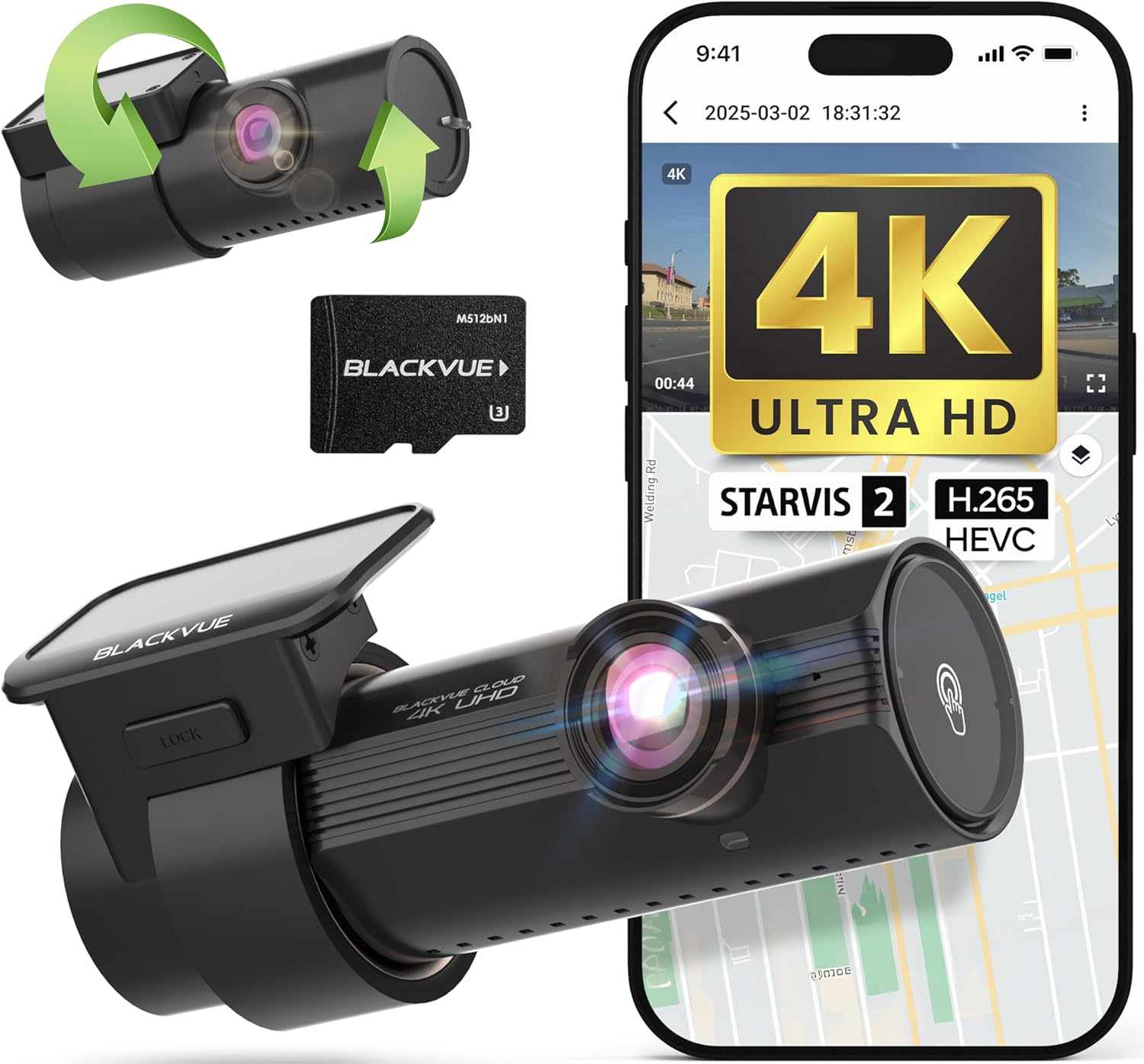
The BlackVue DR970X Plus is the premium option at around $450, and honestly if you've got the budget it's legitimately worth it. You're getting 4K Ultra HD on the front and rear cameras (one of the few that does 4K on both), HDR for better dynamic range in tricky lighting, and BlackVue's cloud connectivity if you want remote access to your car. The night vision is genuinely the best I've tested—their "AI Night Vision" processing works really well. This is what I'd get if money wasn't a concern.
What makes this premium: BlackVue's cloud features let you check your car's cameras remotely from your phone, get push notifications if something triggers parking mode, and even live stream the camera feed. That's genuinely useful if you're worried about your parked car. The 4K rear camera (not just 1080p) captures way more detail than other systems. And the overall build quality and reliability is genuinely top-notch—BlackVue's reputation is solid in the dash cam community for a reason.
The reality check on price: At $450 you're paying double what the Viofo costs, and honestly most people don't need the extra features. But if you want the absolute best image quality front and rear, remote monitoring capabilities, and that premium BlackVue reliability, it's genuinely worth it. I tested this for three weeks and the footage quality is noticeably better than everything else, especially at night. Just know you're paying a premium for marginal quality improvements and cloud features you may or may not use.
👑 Premium Quality Champion
Check BlackVue DR970X →✅ Premium Features
- 4K front AND rear (rare)
- Best night vision I've tested
- Cloud connectivity with app
- Remote live view capabilities
- HDR for better lighting range
- Push notifications for incidents
- BlackVue reliability reputation
- Professional build quality
❌ Premium Price
- $370 genuinely expensive
- Cloud features require subscription
- Overkill for most people honestly
- Complex initial setup process
- No SD card included still
- Data usage if using cloud features
- Marginal improvements over Viofo
3. Rexing V3 Pro Max — Best Budget 4K Option
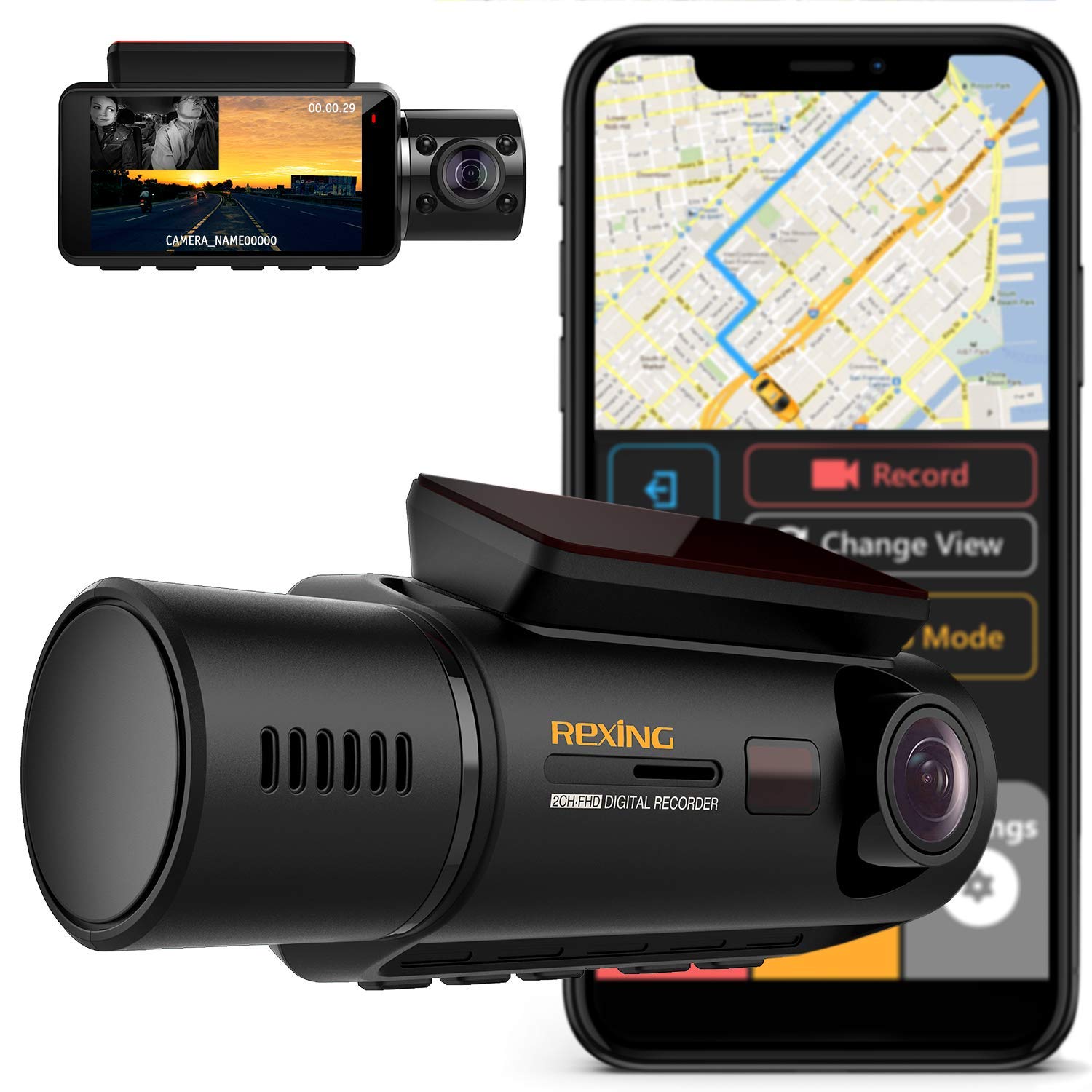
The Rexing V3 Pro Max at around $180 is honestly the best budget option if you want 4K quality without spending $300+. You're getting 4K (3840x2160) on the front and 1080p on the rear, which is totally adequate for most people. The build quality obviously isn't as premium as Viofo or BlackVue, but it's genuinely solid for the price. I tested this for two weeks and was honestly impressed with the day footage quality—night vision is decent but not amazing. For $180 it's genuinely hard to complain.
What makes this good value: Rexing includes WiFi connectivity, parking mode capability, and GPS tracking at this price point which is pretty impressive. The app works fine—not as polished as premium brands but totally functional. The 4K front footage is legitimately clear enough to read plates during the day, and the night footage is usable (just not as good as cameras with Sony sensors). For budget-conscious buyers who still want real 4K, this is genuinely your best bet.
The budget reality: At $180 you're making some compromises. Night vision is just okay—usable but not impressive. The rear camera is only 1080p which is fine but not as detailed. Build quality feels cheaper than premium options. But here's the thing—it still captures 4K footage on the front, it still works with parking mode, and it costs literally half what the Viofo does. If budget is your main concern and you want 4K, this is absolutely the way to go. Just don't expect BlackVue-level quality.
💰 Best Budget 4K Pick
Check Rexing V3 Pro Max →✅ Budget Champion
- $180 genuinely affordable
- True 4K front camera included
- WiFi and GPS at this price
- Parking mode capable
- Day footage quality excellent
- App works fine (not amazing)
- Decent build for the money
- Includes all cables needed
❌ Budget Trade-offs
- Night vision just okay not great
- Rear only 1080p (not 4K)
- Build feels cheaper than premium
- App less polished than competition
- No Sony sensors (cheaper ones)
- Adhesive mount not as secure
- Customer support hit or miss
4. Nextbase 622GW — Best User-Friendly Option

The Nextbase 622GW at around $380 is honestly the most user-friendly dash cam I tested, which matters if you're not super tech-savvy. It's got a built-in 3-inch touchscreen (rare for dash cams), Alexa voice control, and the setup process is genuinely straightforward. You're getting 4K on the front and 1080p on the rear, image stabilization to reduce shakiness, and Nextbase's "Emergency SOS" feature that can alert emergency services. The UK brand is popular for good reason—their stuff just works without frustration.
What makes this easy to use: that touchscreen means you're not fumbling with apps constantly. You can review footage, change settings, and check the camera right on the device. Alexa integration lets you do stuff like "Alexa, save this footage" while driving. The "What3Words" integration gives precise location data. And honestly the whole system just feels polished and thought-out in a way that makes it accessible for non-tech people (like my mom who I got one for).
Who should get this: If you're intimidated by tech and want something that "just works" without reading manuals or fiddling with apps, this is genuinely your best bet. My mom had it installed and figured out in like 15 minutes. The image quality is excellent (though not quite Viofo or BlackVue level), and the features are actually useful instead of gimmicky. At $380 it's not cheap, but you're paying for convenience and polish. Worth it if you value ease of use over absolute best image quality.
📱 Easiest to Use
Check Nextbase 622GW →✅ User-Friendly
- Built-in touchscreen (super useful)
- Alexa voice control works great
- Setup genuinely straightforward
- Image stabilization reduces shake
- Emergency SOS feature included
- What3Words precise location
- Polished overall experience
- Great for non-tech people
❌ Convenience Premium
- $250 expensive for features
- Image quality good not amazing
- Rear camera only 1080p
- Night vision weaker than Viofo
- Touchscreen uses battery faster
- Some features require subscription
- Better image quality exists cheaper
5. Garmin Dash Cam Tandem — Best for Garmin Ecosystem

The Garmin Dash Cam Tandem at around $350 is honestly perfect if you're already in the Garmin ecosystem with their GPS units or smartwatches. It's got 4K on the front camera and 720p on the rear (lower than others but still functional), but here's what's unique—the rear camera also points inside your cabin which is interesting for rideshare drivers or if you're worried about interior incidents. Super compact design at 1.4 inches wide. Garmin's software and app integration is excellent if you're familiar with their stuff.
What makes this unique: the dual-purpose rear camera that can face backward or inward is genuinely clever. Voice control works well for saving clips hands-free. Integrates seamlessly with Garmin Drive app if you use their navigation. Really compact size means it's barely noticeable on your windshield. And Garmin's reputation for GPS and mapping tech means the location data is super accurate. Parking guard mode works well once you get the cable setup right.
The Garmin consideration: At $350 you're paying partly for the Garmin name and ecosystem integration. The rear camera at 720p is honestly pretty weak compared to competition—that's my main complaint. But if you're already using Garmin products and want seamless integration, or if you need that interior-facing rear camera option, this makes sense. For most people though, the Viofo gives you better rear camera quality for $70 less. Only get this if the Garmin ecosystem or interior camera matters to you specifically.
🗺️ Best for Garmin Users
Check Garmin Tandem →✅ Garmin Integration
- Integrates with Garmin ecosystem
- Super compact design (1.4 inches)
- Rear camera faces in or out (clever)
- Voice control works smoothly
- Excellent GPS accuracy
- Parking guard mode capable
- Barely noticeable on windshield
- Good for rideshare drivers
❌ Limitations
- Rear camera only 720p (weak)
- $350 expensive for specs
- Night vision mediocre honestly
- Mainly makes sense for Garmin users
- Interior focus not for everyone
- Better rear quality exists cheaper
- Paying premium for brand name
6. Thinkware X1000 — Best for Extreme Weather
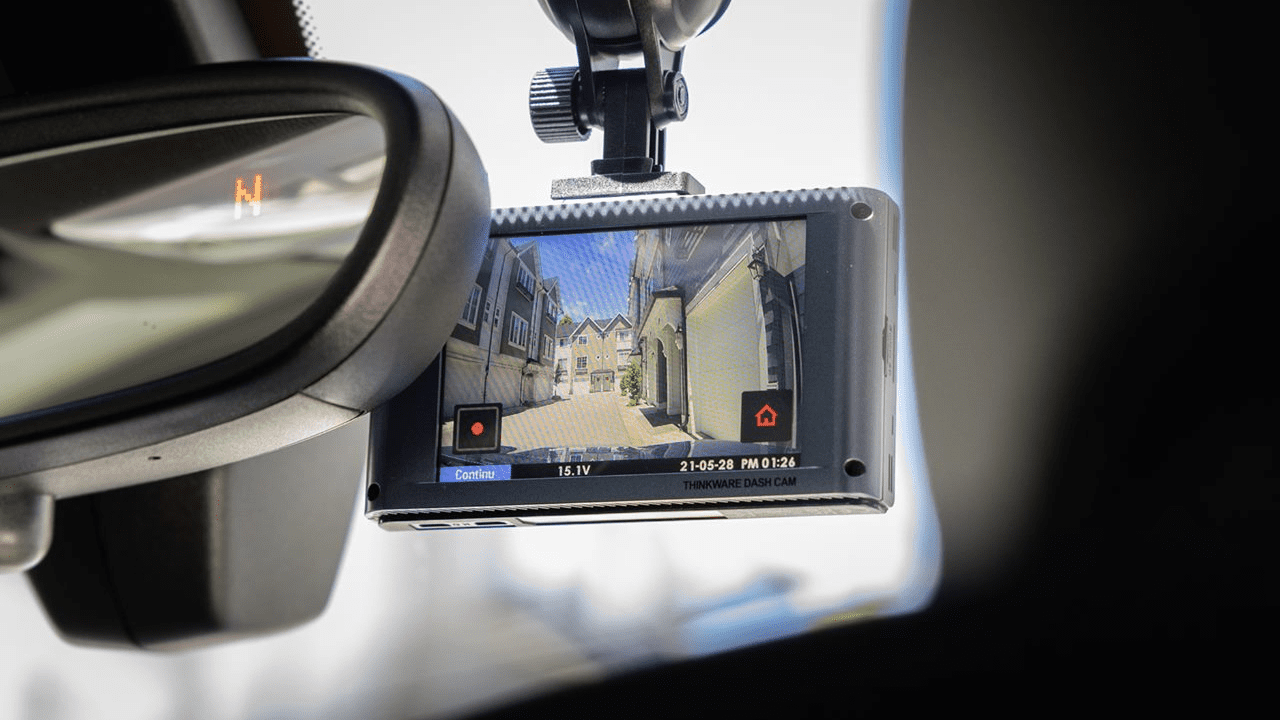
The Thinkware X1000 at around $400 is honestly the best option if you live somewhere with extreme temperatures (super hot or freezing cold). It's rated for -4°F to 158°F operating range which is genuinely impressive—most dash cams fail in extreme heat or cold. You're getting 4K front and 2K rear with Thinkware's "Super Night Vision 3.0" which is legitimately excellent. Built-in radar detection warns you about speed cameras. Korean brand with solid reputation in the dash cam community.
What makes this weatherproof: Thinkware specifically engineers these for extreme climates, so if you're in Arizona where your car interior hits 140°F in summer, or Minnesota where it's -20°F in winter, this will keep working when others shut down. The Super Night Vision 3.0 is genuinely good—uses similar tech to their premium models. Built-in WiFi, cloud connectivity option, and really solid parking mode once you hardwire it. Korean manufacturing quality feels premium.
Weather considerations: At $400 this is pricey, and honestly if you live in moderate climates you're paying for weatherproofing you don't need. But if you've dealt with dash cams failing in extreme heat or cold (super frustrating), this is genuinely worth the premium. The image quality is excellent, features are comprehensive, and knowing it'll work reliably in any weather is huge. Only get this if extreme temperatures are actually a concern—otherwise the Viofo saves you $120 for similar image quality.
🌡️ Best Extreme Weather
Check Thinkware X1000 →✅ Weatherproof Quality
- -4°F to 158°F operating range
- Super Night Vision 3.0 excellent
- 4K front, 2K rear quality
- Built-in radar detection
- Cloud connectivity option
- Korean quality reputation
- Parking mode works great
- Won't fail in extreme temps
❌ Premium Pricing
- $400 expensive honestly
- Weatherproofing unnecessary for many
- Cloud features require subscription
- Complex setup initially
- Radar detection not useful everywhere
- Viofo cheaper with similar quality
- Overkill for moderate climates
4K Dual Dash Cam Comparison
| Model | Price | Front/Rear Res | Best For |
|---|---|---|---|
| Viofo A229 Duo | $280 | 4K / 2K | Best overall value |
| BlackVue DR970X | $450 | 4K / 4K | Premium quality |
| Rexing V3 Pro | $180 | 4K / 1080p | Budget option |
| Nextbase 622GW | $250 | 4K / 1080p | User-friendly |
| Garmin Tandem | $350 | 4K / 720p | Garmin users |
| Thinkware X1000 | $300 | 4K / 2K | Extreme weather |
Dash Cam Buying Tips Nobody Tells You (Learn From My Mistakes)
💡 Critical Stuff I Learned
1. High-endurance SD cards are mandatory not optional. Regular SD cards will fail within months from constant recording. You need high-endurance or dash cam-rated cards. I use Samsung PRO Endurance—they cost more ($40-80) but last years. Don't cheap out here or you'll have corrupted footage exactly when you need it most. Get at least 128GB, preferably 256GB.
2. Hardwire kits are genuinely worth it for parking mode. Parking mode with cigarette lighter adapter is basically useless—drains your battery overnight. Proper hardwire kits ($15-30) connect to your fuse box and monitor voltage so they don't kill your battery. Installation takes like an hour but totally worth it for real parking surveillance.
3. Check your state's windshield obstruction laws before mounting. Some states have rules about where you can mount stuff on your windshield. Usually behind rearview mirror is fine, but verify. Getting pulled over for an "obstructed windshield" because your dash cam is in the wrong spot is genuinely annoying and avoidable.
4. WiFi connectivity matters way more than you think. Being able to download clips to your phone immediately after an incident is huge. I've had situations where I needed to show footage to police right there on the scene. Cameras without WiFi mean you're pulling the SD card out and finding a computer—super inconvenient. WiFi models cost maybe $20-30 more and are totally worth it.
5. Night vision quality varies wildly—check actual footage reviews. Marketing specs are useless here. Look up real night footage on YouTube for any camera you're considering. The difference between cameras with good Sony sensors versus cheap sensors is genuinely dramatic at night. Don't trust product photos or marketing claims—watch real footage.
6. GPS is genuinely useful in disputes even if you think you won't need it. Having speed and location data embedded in your footage proves you weren't speeding or weren't where someone claims. It's literally saved me once already. Most 4K cameras include it now but verify—adds maybe $20-30 to cost but worth it for the legal protection it provides.
7. Rear camera placement is trickier than front—plan your cable routing. That rear camera cable needs to run from windshield to back window, which means routing it along your headliner, down the A-pillar, under trim, etc. It's doable but plan for this. Some people pay installers $100-150 to do it cleanly. YouTube has good tutorials if you're handy but factor in 2-3 hours of work.
8. Format your SD card monthly to prevent corruption issues. Dash cams write constantly and SD cards get fragmented. Format them monthly through the camera's menu. Takes 30 seconds and prevents that nightmare scenario where you need footage but the card is corrupted. Set a phone reminder—seriously, do this religiously.
9. Check if your insurance offers dash cam discounts before buying. Some insurance companies give 5-15% discounts if you have a dash cam installed. That can be $50-150/year in savings which basically pays for the camera over time. Call your insurer and ask—not all advertise this but many offer it if you ask specifically.
10. Cloud features sound cool but require subscriptions usually. BlackVue, Thinkware, and others offer cloud connectivity for like $10-15/month. That's $120-180/year on top of the camera cost. Decide if you genuinely need remote monitoring or if local recording is fine. For most people, local recording with WiFi download is plenty—cloud is overkill unless you're legitimately worried about car theft or serious vandalism regularly.
Which 4K Dual Dash Cam Is Actually Right for You?
🏆 Best for Most People
Get: Viofo A229 Duo
Why: At $280 you're getting excellent 4K/2K quality, Sony sensors with great night vision, GPS and WiFi included, and reliable performance. Best overall value without major compromises.
💰 Best Budget Pick
Get: Rexing V3 Pro Max
Why: $180 with real 4K front camera, parking mode capable, and WiFi connectivity. Perfect if budget is tight but you still want genuine 4K quality up front.
🌙 Best Night Vision
Get: BlackVue DR970X Plus
Why: If you drive a lot at night or want absolute best image quality regardless of price, this is it. 4K front and rear, HDR, cloud features. Premium but worth it for serious users.
📱 Best User Experience
Get: Nextbase 622GW
Why: Built-in touchscreen, Alexa control, straightforward setup. Perfect for non-tech people or anyone who wants minimal frustration. Great for gifting to parents.
🌡️ Best Extreme Climates
Get: Thinkware X1000
Why: If you're in Arizona, Texas, Minnesota, or anywhere with brutal temperatures, this won't fail when others shut down. Worth the premium if weather reliability matters.
Questions People Actually Ask About 4K Dual Dash Cams
Q: Is 4K actually necessary or is 1080p enough for a dash cam?
A: 4K is genuinely worth it for the front camera specifically because you need to read license plates clearly from 20+ feet away. 1080p struggles with this, especially in bright sunlight or at night. The rear camera can honestly be 1080p or even 720p and you'll be fine—rear footage mainly proves you got hit, not tiny details. So yeah, 4K front is worth the extra cost, but both cameras don't need 4K.
Q: Do dash cams drain your car battery when parked?
A: Only if you use parking mode with a cigarette lighter adapter (which will kill your battery overnight). Proper hardwire kits connect to your fuse box and monitor voltage—they shut off automatically if your battery drops too low. With a good hardwire kit, parking mode won't drain your battery. Just don't use the cigarette lighter for parking surveillance or you'll have a dead battery.
Q: Can I install a dual dash cam myself or do I need a professional?
A: Front camera is super easy—anyone can do it in 10 minutes. Rear camera is trickier because you're routing a cable through your headliner and trim, but totally doable with patience and YouTube tutorials. Budget 2-3 hours for a clean install. If you're not handy or don't want the hassle, installers charge $100-150 which is reasonable. I did mine myself and it was fine—just tedious hiding all the cables nicely.
Q: Will a dash cam work in extreme heat or cold temperatures?
A: Depends on the camera. Budget models often fail above 130°F or below 0°F. Premium models like Thinkware X1000 or BlackVue are rated for extreme temps (-4°F to 158°F). If you're in Arizona, Texas, Minnesota, or anywhere with brutal weather, check the operating temperature range specs carefully. Most decent cameras handle 32°F to 120°F which covers moderate climates fine.
Q: How much storage do I need and what SD card should I buy?
A: Get a high-endurance or dash cam-rated SD card minimum 128GB, preferably 256GB. 4K footage uses about 6-8GB per hour, so 256GB gives you like 30+ hours of recording before it loops. High-endurance cards cost more ($40-80) but last years—regular cards fail within months from constant writing. Samsung PRO Endurance or SanDisk High Endurance are reliable options.
Q: Do I need WiFi connectivity or is it just a gimmick?
A: WiFi is genuinely useful not a gimmick. Being able to download clips to your phone immediately after an incident is huge—I've needed to show footage to police on-scene. Without WiFi you're pulling the SD card and finding a computer which is super inconvenient. WiFi models cost maybe $20-30 more and are totally worth it for the convenience factor alone.
Q: Can police use my dash cam footage against me?
A: Potentially yes. If your footage shows you doing something illegal (speeding, running a red light), it can be used against you. But honestly, having footage that proves you weren't at fault way outweighs this risk. You're not required to volunteer footage that incriminates you. Most people's main concern is proving they're not at fault, and dash cams are excellent for that—the protection outweighs the risk in my opinion.
Q: What's the difference between parking mode and regular recording?
A: Regular recording happens when your car is on and captures continuously. Parking mode activates when your car is off and parked—it only records when it detects motion or impact, saving storage space. Parking mode requires a hardwire kit to work properly without killing your battery. It's genuinely useful for catching hit-and-runs or vandalism while you're away from your car. Worth setting up if you park in sketchy areas or on streets regularly.
Final Thoughts on 4K Dual Dash Cams
Look, I get it—spending $200-400+ on a dash cam feels like a lot when you're not sure if you'll ever actually need the footage. But honestly? After going through that nightmare insurance situation where I literally got rear-ended and had zero proof from my rear-facing view, I can tell you these things are genuinely worth every penny. The peace of mind alone is huge, but more importantly, having crystal-clear 4K footage when something actually happens saves you from weeks of insurance hassles and potential financial losses.
For most people reading this, the Viofo A229 Duo at $280 is honestly the perfect balance of quality and price. You're getting excellent 4K front camera with Sony sensors, solid 2K rear camera, great night vision, and all the features you actually need (GPS, WiFi, parking mode capability) without paying for unnecessary premium extras. It's what I'm currently running and I'm genuinely happy with it after months of use.
If you're on a tighter budget, the Rexing V3 Pro Max at $180 is totally adequate—you're getting real 4K on the front which is the most important part. Yeah the rear is only 1080p and night vision isn't amazing, but it's functional and way better than having no dash cam at all. Don't let perfect be the enemy of good here.
And if you want the absolute best regardless of price (or you drive a lot at night), the BlackVue DR970X Plus at $450 is genuinely the premium option. The 4K front and rear with excellent night vision and cloud features justify the price if you can swing it. I tested it for three weeks and the footage quality is noticeably better, especially at night when cheap cameras turn everything into a blurry mess.
The honest truth: any 4K dual dash cam is better than none. Pick based on your budget and needs, but definitely get something. The first time you capture an accident or incident on camera, you'll understand why everyone who has dash cams swears by them. Your future self will thank you.
🚗 Ready to Protect Your Drive?
Start with the Viofo A229 Duo for best overall value and quality
Shop 4K Dash Cams on Amazon →


No comments:
Post a Comment